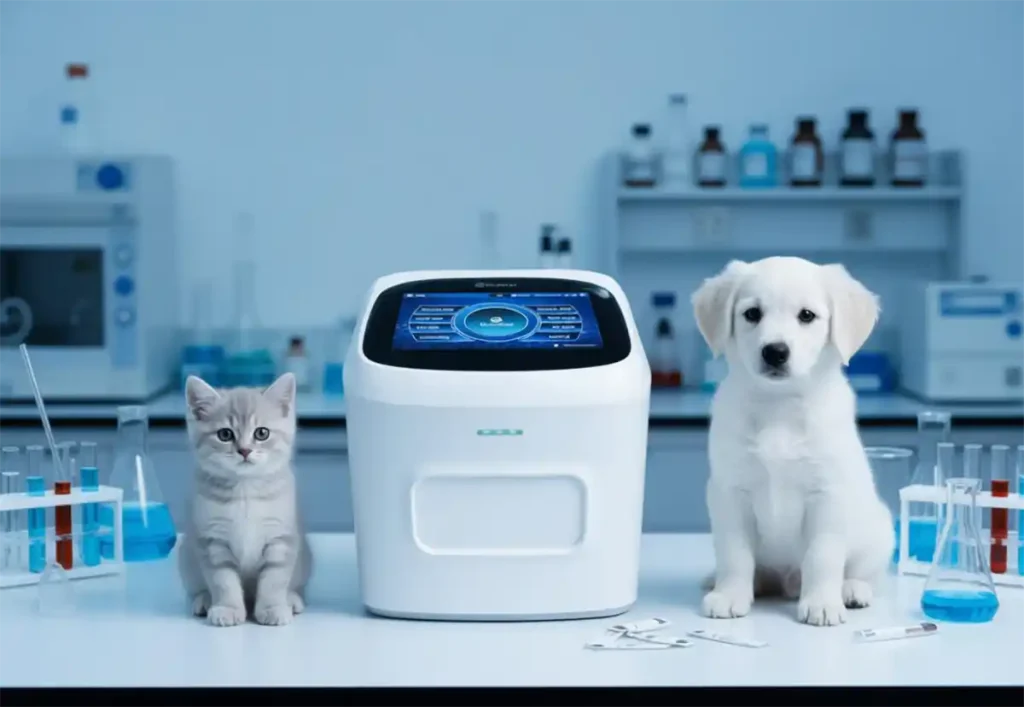
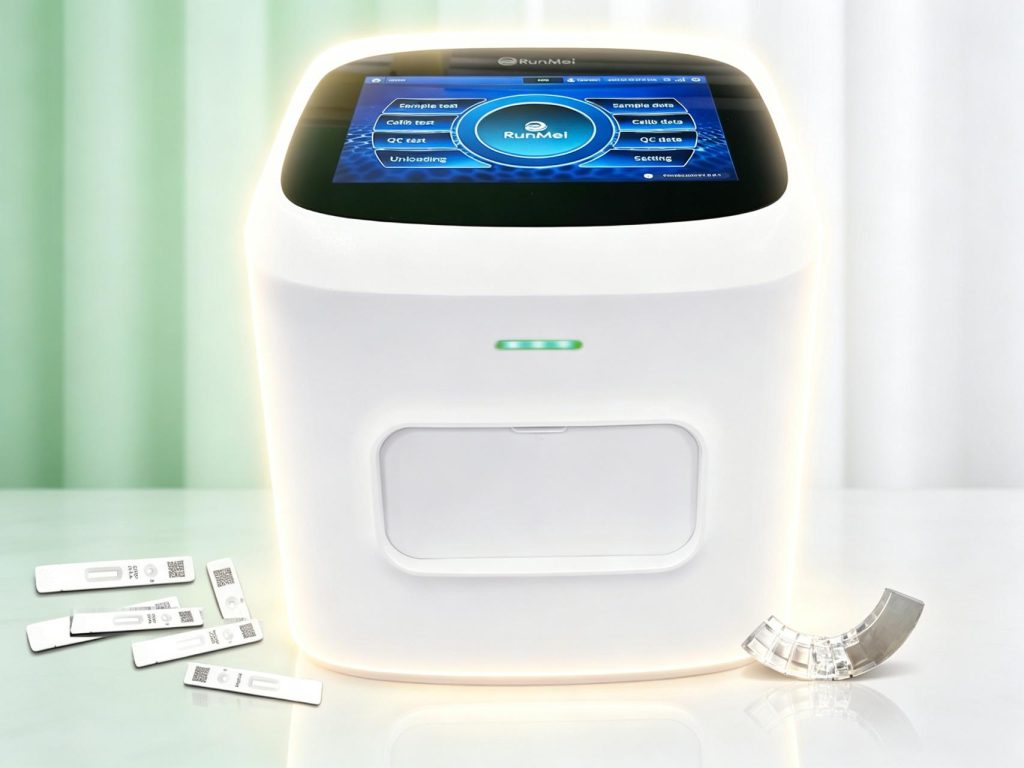
A 5-part differential hematology analyzer is arguably one of the most consequential capital equipment investments your clinical laboratory will make this decade and the decision carries implications that will affect your budget workflow and clinical capabilities for years to come. Get the selection process right and you will enjoy years of reliable CBC testing with predictable costs and satisfied clinicians. Get it wrong and you will wrestle with service contract disputes frustrating QC failures and budget overruns that diminish the value of your investment from the very first year of operation.
1. Total Cost of Ownership Beyond the Purchase Price. The instrument with the lowest purchase price rarely delivers the lowest five-year total cost of ownership. A comprehensive TCO calculation must include all reagent and consumable costs across the expected instrument lifespan, quality control materials and calibrators, service and maintenance contracts with projected annual increases, initial and ongoing staff training expenses, and any connectivity or middleware interface costs. Open reagent systems like the Runmai 5-part differential hematology analyzer deliver 35 to 50 percent lower ongoing reagent costs compared to proprietary closed systems from competitors like Brand A and Brand C.
2. Sample Volume Requirements for Special Populations. For clinical laboratories serving pediatric neonatal or geriatric patient populations sample volume requirements are far from a theoretical consideration. A complete blood count analyzer requiring 50 microliters or more per test is clinically impractical for premature neonates where even a single blood draw can represent a significant fraction of total circulating blood volume. The Runmai microsampling mode at 5 microliters provides a genuine and measurable clinical advantage for these vulnerable patient populations enabling comprehensive CBC and differential testing from a single capillary heel-prick sample.
3. Flagging Performance and False Positive Management. Every false-positive flag generated by your hematology analyzer requires 10 to 15 minutes of skilled technologist time for manual smear review and differential verification. When evaluating potential instruments ask specifically for published peer-reviewed data on false-positive flag rates not marketing brochure claims. Look for analyzers with published false-positive rates below 25 percent of total flags. The Runmai triple-technology detection system delivers false-positive rates that are 40 to 50 percent lower than many competing instruments in the same price class.
4. Connectivity and Integration Capabilities. Modern clinical laboratories operate as integrated digital environments not standalone testing stations. Your hematology analyzer must communicate seamlessly with your laboratory information system through HL7 or ASTM protocols. USB ports for data export LAN connectivity for network integration and built-in WiFi for wireless operation should all be included as standard equipment not optional upgrades. Some competing brands charge $2,000 to $5,000 for connectivity modules that the Runmai blood cell counter includes at no additional cost.
| Evaluation Factor | What to Look For in Your Next Hematology Analyzer |
| Warranty duration and scope | Minimum 2 years comprehensive parts and labor |
| Remote diagnostics capability | Built-in as standard not chargeable add-on |
| Service response time guarantee | 95 percent of calls within 24 hours |
| Staff training program | Full on-site training plus online refresher modules |
| Multilingual user interface | Support for 6 or more languages to reduce errors |
5. Body Fluid Analysis Capability. An underappreciated but increasingly requested feature the ability to perform cell counts and differentials on pleural peritoneal synovial and cerebrospinal fluids directly on your standard hematology analyzer. This transforms a dedicated CBC instrument into a multi-purpose diagnostic workstation. The send-out cost savings from performing body fluid counts in-house rather than sending them to a reference laboratory can be substantial often $20,000 to $50,000 annually depending on volume.
6. Service and Support Infrastructure. The quality of post-purchase support directly affects instrument uptime and laboratory productivity. Evaluate warranty terms and exclusions carefully. Ask about remote diagnostics capabilities that enable faster troubleshooting without waiting for an on-site visit. Request documented average response times and mean time to repair from existing customers. The Runmai two-year comprehensive warranty significantly exceeds the industry standard of one year and the built-in WiFi enables remote diagnostics without additional hardware costs.
7. Multilingual and International Capability. Multilingual user interfaces reduce operator errors and training time across diverse laboratory teams. The Runmai interface supports six languages including English Spanish French German Portuguese and Chinese. Create a weighted scoring matrix across all seven factors and evaluate each candidate instrument objectively. The instrument that scores highest on your actual priority-weighted criteria not the cheapest option or the most expensive premium brand will deliver the best long-term value for your specific laboratory needs.