Meta Description (120–158 chars): Safe transfusion starts with a blood count. Learn how rural hospitals use pretransfusion hemoglobin and platelet testing to use scarce blood wisely.
Primary Target Keywords: blood transfusion safety rural, pretransfusion hemoglobin, blood bank rural hospital, anemia transfusion
Recommended URL Slug: blood-transfusion-safety-rural-hospitals
Writing Style & Opening Hook
Health-outcome stakes opening that walks through the journey of a single unit of blood and the decisions that determine whether it saves a life.
A unit of blood arrives at a rural hospital after a four-hour journey from the regional blood bank. It is precious, scarce, and time-limited. The question is not whether it will be used — it is how wisely. In one ward, a postpartum mother with confirmed hemorrhage receives it, and her hemoglobin, measured an hour earlier at 6.2 g/dL, is on the chart before the transfusion starts. In the next ward, a febrile patient with “low blood” receives it on clinical suspicion alone; no one has measured anything, and the unit is spent on a patient whose anemia may have been mild and whose real problem was infection, not blood loss. One hospital owns a blood count instrument. The other does not. That is the entire difference between transfusion as treatment and transfusion as guesswork.
Why Rural Transfusion Decisions Need Numbers
Blood is the most carefully rationed resource in rural medicine. It is scarce, expensive, and carries real risks — transfusion reactions, infections, and the simple tragedy of a unit wasted on the wrong patient. Every transfusion decision therefore needs a quantitative basis: the WHO Essential Diagnostics List includes haemoglobin measurement as an essential test in facilities managing anaemia and blood loss, precisely because clinical judgment alone cannot grade anemia severity. A hemoglobin result tells you who needs blood, who needs iron, who needs infection treatment, and who needs nothing at all.
The stakes are clinical as well as logistical. The World Health Organization reports that anemia affects 37% of pregnant women and 30% of women of reproductive age, and in rural settings obstetric hemorrhage remains a leading cause of maternal death. The pretransfusion blood count is the instrument that matches the scarce resource to the patient who truly needs it — and flags the borderline patient who can be managed without transfusion.
The Pretransfusion Workup in Practice

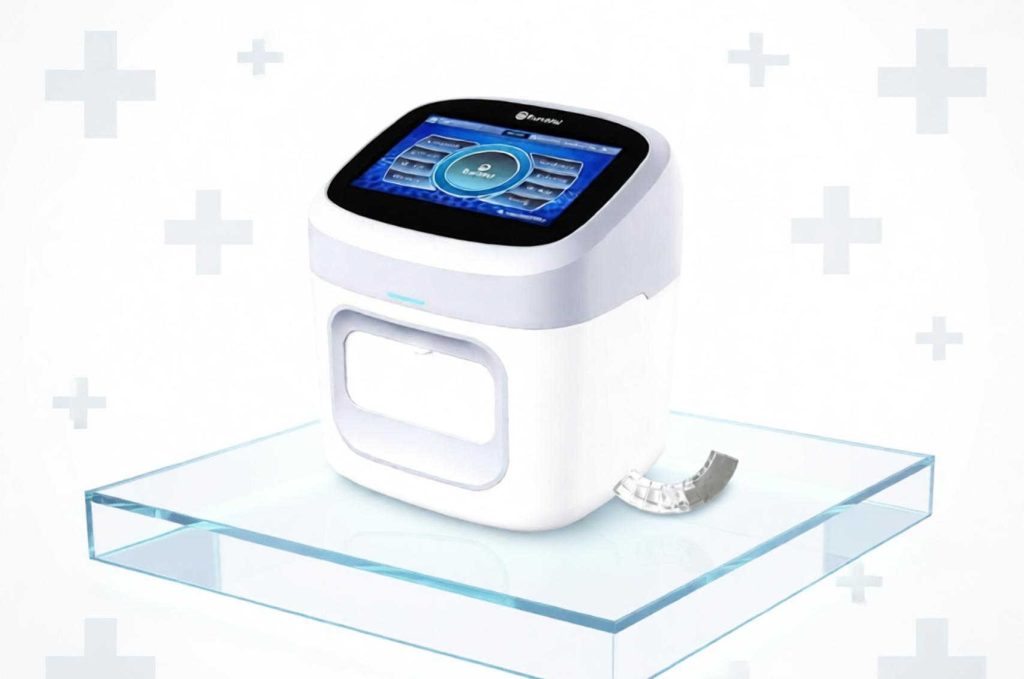
Image 1: A fully automatic hematology analyzer supporting pretransfusion hemoglobin and platelet decisions in a rural hospital laboratory.
Hemoglobin: Who Gets the Unit
Establish local transfusion thresholds and publish them: in most protocols, transfusion is indicated at hemoglobin below 7 g/dL in stable patients and below 8–9 g/dL in patients with active bleeding, cardiac disease, or critical illness. Above those thresholds, the answer is not blood — it is iron, infection treatment, or observation. A rural hospital that measures hemoglobin before transfusion stops both undertransfusion (the shocked patient denied blood) and overtransfusion (the unit wasted on a mild case).
Platelets: The Bleeding-Risk Layer
A patient who is bleeding needs to know not only how much blood they have lost but whether they can clot. Thrombocytopenia changes management — platelet support where available, surgical attention to haemostasis, and different thresholds for intervention. The platelet count turns a transfusion decision into a haemostasis decision.
The Full Count: Infection and the Febrile Patient
Fever in a recently transfused or anemic patient is common — and commonly misread. A white cell count with differential separates the patient whose “low blood” is actually sepsis, malaria, or another infection needing specific treatment, from the patient with true hematologic anemia. The CBC prevents the most expensive mistake in rural transfusion medicine: treating an infection with blood.
Choosing the Instruments That Protect the Blood Bank
The Bench Analyzer for the Hospital Laboratory
A fully automatic hematology analyzer gives the laboratory consistent, documented results for every pretransfusion decision, with quality control logs that stand up to audit — essential in a field where a single wrong number can waste a unit or endanger a patient.
The Portable Option for Wards and Delivery Rooms
Obstetric hemorrhage does not announce itself at the laboratory door. A portable multi-function analyzer on the maternity or emergency floor returns hemoglobin and platelets in minutes, so the transfusion decision is made at the bedside with current numbers — the difference between transfusing at 6 g/dL with time to spare and discovering the truth at 4 g/dL in crisis. For cost-sensitive programs, reviewing how to source a cost-effective hematology analyzer can help facilities match instrument cost to actual transfusion volumes.

Image 2: A compact portable blood analyzer providing bedside hemoglobin and platelet results for transfusion decisions in maternity and emergency wards.
The Regulatory and Quality Framework
The U.S. FDA regulates in vitro diagnostics to ensure that analyzers used in transfusion decisions meet safety and effectiveness standards, and the New England Journal of Medicine’s review of obstetric complications lists CBC and blood typing among the standard tests in the evaluation of obstetric emergencies. Quality matters twice in transfusion: in the test result and in the blood itself. Document both.
الأسئلة المتداولة
What Is the Safe Hemoglobin Level for Transfusion?
Thresholds vary by clinical context, but stable adults are generally transfused below 7 g/dL and patients with cardiac disease or active bleeding at 8–9 g/dL. The number must come from a current measurement, not from last week’s clinic visit.
Can Point-of-Care Results Be Trusted for Transfusion Decisions?
When the analyzer is validated and quality-controlled daily, point-of-care results are appropriate for urgent transfusion decisions. The same device class is used in acute care settings worldwide, with documented reliability.
How Do We Reduce Wasted Blood?
Three habits cut waste dramatically: measure before transfusing, transfuse to a threshold rather than a feeling, and use single-unit transfusion with reassessment — the CBC is what makes reassessment possible. Keep a simple transfusion register that records the pretransfusion hemoglobin for every unit issued; within months, the register will show whether blood is reaching the patients who need it or leaking to those who do not.
What If the Laboratory Is Closed When the Bleeding Starts?
This is precisely the argument for a point-of-care analyzer on the obstetric and emergency floors: it operates independently of laboratory hours. The bedside hemoglobin and platelet count, documented and dated, give the on-call team the same information base the daytime laboratory would provide.
Can We Trust a Hemoglobin Reading Taken During Active Bleeding?
Yes, with interpretation: during acute hemorrhage, hemoglobin lags behind the true blood loss until fluid shifts occur, so repeat the measurement as resuscitation proceeds. The trend across serial readings — not any single value — drives the transfusion decision.
على diagnostic instrument portfolio provides the closest practical detail for the workflows described in this article. Verify specifications, certifications, and availability with the manufacturer before purchase.
About the Author
Prepared by the RunMei Health clinical diagnostics team, manufacturer of automatic and portable blood analyzers supporting hospital and transfusion services in more than 60 countries. Content is reviewed against WHO guidance and international device standards.
References
– World Health Organization. Model List of Essential In Vitro Diagnostics. edl.who-healthtechnologies.org
– World Health Organization. Anaemia fact sheet. who.int
– U.S. Food and Drug Administration. In Vitro Diagnostics. fda.gov
– NEJM. Complications of Unsafe and Self-Managed Abortion. nejm.org
Disclaimer
This article is provided for general informational and marketing purposes only and does not constitute medical advice, clinical guidance, or a diagnostic recommendation. Laboratory test results must always be interpreted by qualified health-care professionals in the context of the individual patient. Mention of regulatory frameworks (FDA, CE, WHO) refers to applicable device standards and does not imply specific product approval in any jurisdiction. Product references are illustrative; verify specifications, certifications, and availability with the manufacturer before purchase or use.