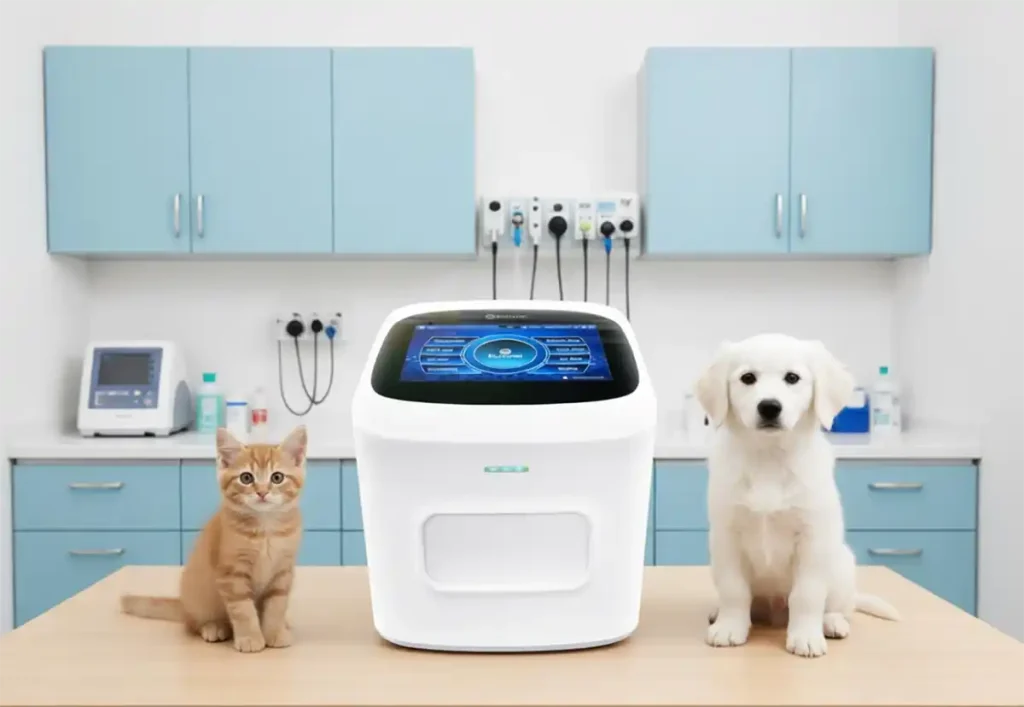
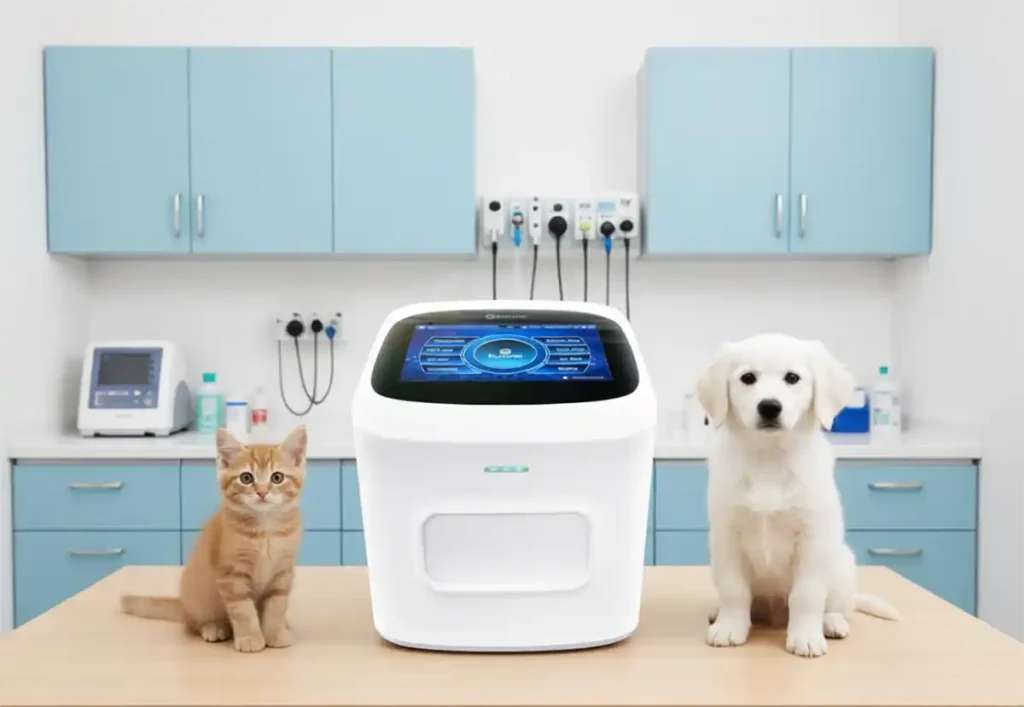
In rural healthcare settings a three-day wait for complete blood count results is not merely an inconvenience it is a genuine patient safety risk that directly impacts clinical outcomes. When a worried mother brings a febrile child to a small-town community clinic she needs answers within hours not days. The anxious wait for laboratory results that must be shipped to a distant reference laboratory processed and then reported back creates a cycle of delayed diagnosis empiric treatment and patient anxiety that undermines the quality of rural healthcare delivery. Hundreds of rural facilities around the world are now proving that same-day hematology is not only possible but practical and affordable with appropriate technology selection.
San Lucas Hospital a 120-bed rural facility serving 80,000 people spread across four counties had no in-house hematology capability before their transformation. All CBC samples were collected daily packaged and transported to a reference laboratory located three hours away by road. Results arrived via fax the following afternoon or often two days later during winter months when mountain roads became impassable. Emergency department physicians made critical treatment decisions based on blood counts that were 48 to 72 hours old. Dr. Ana Villanueva the hospital laboratory director recalls the frustration: “We were essentially making treatment decisions for septic patients based on laboratory results that were three days old. That is not practicing evidence-based medicine. That is gambling with patient lives because we lacked the basic diagnostic infrastructure that urban hospitals take for granted.”
The investment decision changed everything for this rural community. In early 2024 San Lucas Hospital purchased a Runmai 5-part differential hematology analyzer for $18,500 a fraction of what comparable analyzers from Brand A or Brand C would have cost. The purchase included a two-year comprehensive warranty and installation support. Physical installation required only one day and three laboratory technicians completed their full operator training in under four hours thanks to the intuitive 10-inch color touch screen interface and the straightforward menu-driven operating system.
| Laboratory Metric | Before Runmai Installation | After Runmai Installation |
| CBC result turnaround time | 48 to 72 hours | 45 minutes |
| Daily sample throughput | 25 to 35 batched samples | 60 to 80 continuous samples |
| Available hematology parameters | Basic CBC only via reference lab | 23 parameters plus 5-diff in-house |
| Pediatric and neonatal testing | Not available due to send-out | 5 microliter microsampling available |
Clinical improvements were rapid and measurable. Sepsis mortality in the hospital dropped from 16 percent to 9 percent within the first six months of operation. Physicians were now able to initiate appropriate antibiotic therapy based on real-time white blood cell counts and differential results rather than treating empirically based on clinical suspicion alone. Antibiotic stewardship efforts improved dramatically as rapid results enabled targeted de-escalation of broad-spectrum antibiotics when CBC results indicated resolving infection. The emergency department saw a 40 percent reduction in length of stay for febrile patients because diagnostic results were available before the patient was discharged rather than days later when they were already home.
Financial outcomes exceeded all projections. The cost of sending CBC samples to the reference laboratory dropped from $12,000 per month to just $1,200 per month representing $129,600 in annual savings. The instrument paid for itself in just 57 days of operation. The hospital additionally recovered approximately $4,000 per month in previously lost revenue from walk-in patients who previously had to be directed to facilities in other towns for blood draw services. The total financial impact in the first year exceeded $140,000 in savings and new revenue far exceeding the initial capital investment. Modern hematology analyzers are no longer exclusive to large urban medical centers. Affordable purchase pricing open reagent architecture and robust analytical performance make the Runmai CBC analyzer practical and financially viable for any healthcare facility processing between 30 and 200 CBCs on a daily basis.