| Meta Title | Blood Analyzer for Chronic Disease Management in Rural Clinics |
| Meta Description | Chronic disease management in rural clinics fails without lab tests. Learn how blood analyzers improve anemia, diabetes, and hypertension monitoring on site. |
| URL Slug | /blood-analyzer-chronic-disease-management-rural/ |
| Focus Keyword | blood analyzer chronic disease management |
| Secondary Keywords | hemoglobin testing rural, anemia screening, diabetes monitoring blood tests, rural chronic disease monitoring |
| Publish Date | 2026-09-23 |
| Author | Dr. Elena Marsh, MD, MPH |
| Reviewer | Dr. James Okafor, PhD, FACB |
What is the most expensive test in rural chronic disease care — the test that bankrupts patients and clinics alike? It is not the lab fee. It is the test that is never run: the hemoglobin that should have caught anemia before a farmer collapsed in the field, the HbA1c that should have adjusted insulin before a diabetic lost a foot, the CBC that should have flagged infection before a chronic disease patient deteriorated quietly at home. Chronic disease management fails in rural settings not because clinicians lack guidelines, but because they lack the numbers the guidelines demand. A blood analyzer on site does not replace the doctor — it gives the doctor the measurement engine that chronic care has always required.
Why Rural Chronic Disease Care Collapses Without Testing
Chronic conditions — anemia, diabetes, hypertension, chronic kidney disease, heart failure — are managed by titration. You adjust medication, diet, or lifestyle, then measure the response, then adjust again. The WHO estimates that **40% of children aged 6–59 months and 37% of pregnant women are affected by anaemia** globally, and anemia of chronic disease complicates diabetes, kidney disease, and heart failure at every stage. Yet in rural clinics without laboratory access, titration is replaced by routine: the same drug, the same dose, the same advice, year after year, whether it is working or not.
The Monitoring Gap Measured in Real Clinics
A study of rural health facilities in northern Ghana found that **hemoglobin testing was offered in fewer than 50% of both urban and rural health centers, and essential diagnostics availability in basic primary care facilities in ten low- and middle-income countries was only 19.1%** overall. The consequence is a chronic disease population that is diagnosed late and monitored barely at all. Patients travel 8–10 kilometers or more for a single blood test — and when the result takes days to return, the monitoring loop breaks.
What a Blood Analyzer Changes for the Five Most Common Rural Chronic Diseases
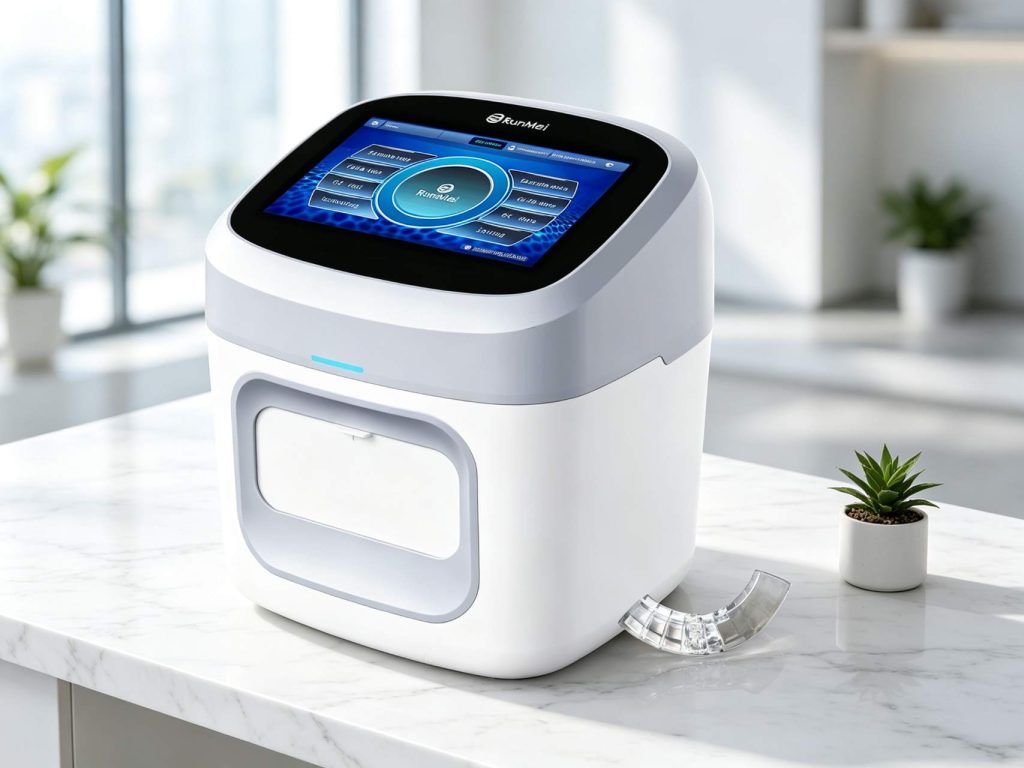
Figure: Regular CBC and hemoglobin testing turns chronic disease follow-up from guesswork into measurable care.
1. Anemia: The Silent Epidemic
Anemia is the easiest chronic condition to manage and among the most damaging when missed. Iron deficiency in women of reproductive age, nutritional anemia in children, and anemia of chronic disease in the elderly all respond to a hemoglobin number repeated over time. A blood analyzer gives the rural clinician that number at every visit — making screening, diagnosis, treatment monitoring, and referral decisions routine rather than episodic. The WHO’s guidance on anemia is blunt: detection requires a reliable hemoglobin measurement, and treatment follow-up requires repeat testing.
2. Diabetes and Pre-Diabetes
Diabetes management is a numbers game: glucose, and ideally HbA1c, repeated at defined intervals. Point-of-care programs have shown what happens when the numbers become available in rural primary care. In a Brazilian program, placing point-of-care HbA1c devices in four rural municipalities increased the detection of new diabetes cases and of patients with uncontrolled glycemia within six months — entirely by making testing possible during routine visits. A chemistry analyzer for diabetes and HbA1c testing extends the same logic to the full metabolic panel: glucose, lipids, kidney function, and liver enzymes.
3. Hypertension and Kidney Disease
Hypertension management in rural settings rarely includes the labs that should inform it: creatinine, potassium, and hemoglobin. These determine whether the standard first-line drugs are safe and whether the kidneys are coping. An on-site analyzer converts the annual “let’s keep an eye on it” visit into an actual measurement, catching early renal impairment before it becomes dialysis.
4. Heart Failure
Heart failure exacerbations are driven by anemia, infection, and fluid imbalance — three conditions a CBC and basic chemistry panel expose immediately. Rural patients with heart failure are frequently hospitalized repeatedly because the precipitating trigger is never identified. On-site testing identifies the trigger in the same visit, allowing treatment that keeps the patient home.
5. Chronic Infection and Post-Treatment Follow-Up
Patients recovering from tuberculosis, malaria, or surgery need serial CBCs to detect drug toxicity (cytopenias) and treatment response. When serial testing is impossible, courses are completed blind. Automated analyzers make serial testing cheap enough to be routine — and 5-part hematology analyzers add the eosinophil and monocyte detail useful for parasite and recovery monitoring.
Building a Chronic Disease Monitoring Protocol Around a Blood Analyzer

Figure: Automated analyzers make repeat monitoring affordable, which is the core of chronic disease care.
The machine is necessary but not sufficient; the protocol makes it effective. From the programs I have supported, the clinics that succeed share a simple operating model: fixed monitoring intervals, a short panel per condition, and a standing order that removes the need for a new doctor’s decision each time.
A Practical Monitoring Schedule
• Anemia follow-up: hemoglobin every 4–8 weeks during iron therapy, then quarterly.
• Diabetes: glucose at every visit; HbA1c every 3–6 months.
• Hypertension/renal risk: creatinine, potassium, and hemoglobin quarterly or with each medication change.
• Anticoagulation and drug toxicity: CBC (especially platelets) at intervals defined by the drug.
The Quality Control Discipline
Chronic monitoring is only as good as the comparability of results across visits. The clinic must run daily quality control, keep the instrument calibrated, and document results in a form that trends over time — a spreadsheet, a paper register, or the analyzer’s internal storage. Instruments that store 100,000+ results and export via HL7 or ASTM make trending automatic. The FDA’s CLIA-waived test framework exists precisely to keep point-of-care monitoring reliable outside the central laboratory, but the discipline of controls and documentation rests with the clinic.
The Economics of Monitoring: Why Repeat Testing Pays for Itself
Chronic disease is where the economics of on-site testing are most forgiving, because the alternative — unmonitored disease — is ruinously expensive. Consider one patient with poorly controlled diabetes: hospitalizations, amputations, dialysis, and lost work routinely exceed thousands of dollars per year. A clinic that performs a quarterly monitoring panel for the same patient spends tens of dollars. Even in low-resource settings, the arithmetic is similar: prevention and early adjustment are cheaper than rescue. This is why community health programs increasingly mandate screening and monitoring panels — and why clinics that can deliver them attract and retain the chronic disease patients who are their steadiest source of revenue and impact.
Key Questions Before You Commit to a Monitoring Program
- Q: Which tests should a rural clinic run for chronic disease monitoring?
A: Start with a CBC (hemoglobin, WBC, platelets) and add glucose, creatinine, and HbA1c as the analyzer menu allows. These cover anemia, diabetes, kidney disease, and infection — the four pillars of chronic disease monitoring in primary care.
- Q: How often should rural patients on chronic medications be tested?
A: Intervals depend on the condition and drug: quarterly panels for stable diabetes, hypertension, and anemia follow-up; more frequent CBCs during the first weeks of drugs that can suppress blood counts. Follow published guidelines for each condition.
- Q: Can one analyzer cover both hematology and chemistry testing?
A: Not in a single instrument, but many clinics pair a compact hematology analyzer with a mini biochemistry analyzer to cover both menus. Portable multi-parameter systems now also bring CBC, CRP, and HbA1c to a single fingerstick workflow — an excellent fit for low-volume rural clinics. Compare your menu against the hematology analyzer parameter guide before choosing.
The Bottom Line
Chronic disease is not an acute event; it is a long conversation between clinician and patient, conducted in the language of laboratory numbers. Rural clinics have been expected to hold that conversation without instruments. A blood analyzer does not make chronic care easy — it makes it possible: the hemoglobin that titrates iron therapy, the creatinine that protects the kidneys, the HbA1c that steers diabetes before complications take root. For the clinician weighing the purchase, the question is not whether your clinic can afford an analyzer; it is whether your chronic disease patients can afford another year without one. Review the cost-effective blood analyzer options to match the instrument to the monitoring program you want to build.
Disclaimer
This article is for general educational and informational purposes only and does not constitute medical advice, a product endorsement, or a guarantee of diagnostic performance. Laboratory equipment decisions should be made in consultation with qualified professionals, and all devices must be operated in accordance with the manufacturer’s instructions, local regulations, and applicable quality standards.
About the Author
Dr. Elena Marsh, MD, MPH is a board-certified clinical pathologist with 14 years of experience supporting primary care and rural health programs in North America, Africa, and Southeast Asia. She specializes in laboratory capacity building, point-of-care testing implementation, and diagnostic quality systems.
Reviewer
Dr. James Okafor, PhD, FACB is a clinical laboratory scientist and Fellow of the American College of Clinical Biochemistry, with 20 years of experience in laboratory quality assurance and regulatory compliance for in-vitro diagnostics.