Target keyword: “hemolysis effect on hematology analyzer results”
Hemolyzed samples can silently distort CBC parameters. Learn how hemolysis affects hematology analyzer results, which parameters are at risk, and how to handle it.
A hemolyzed sample is a liar wearing a lab coat. It looks red, sits in the tube properly, and produces numbers that look perfectly plausible — while quietly inflating the haemoglobin, distorting the red cell indices, and skewing the white cell picture. Every haematology tech knows the telltale reddish-pink serum. Fewer know how much damage it does to the results.
What Hemolysis Does to the Sample
Haemolysis is the rupture of red blood cells, releasing haemoglobin and cell contents into the plasma or serum. It can occur during collection (hard draw, tourniquet too long), transport (rough handling, temperature extremes), or processing (delayed centrifugation). Visually, the serum turns pink to red — visible haemolysis usually indicates significant, result-affecting cell destruction.
Which Parameters Are Most At Risk
Free haemoglobin in the sample inflates the measured haemoglobin (HGB) and can falsely raise the haematocrit and alter red cell indices, particularly MCH and MCHC. Released cell contents may interfere with certain white cell and platelet measurements depending on the method. The most clearly affected is HGB and the derived MCH/MCHC — so an unexplained high MCHC is a classic red flag for haemolysis.
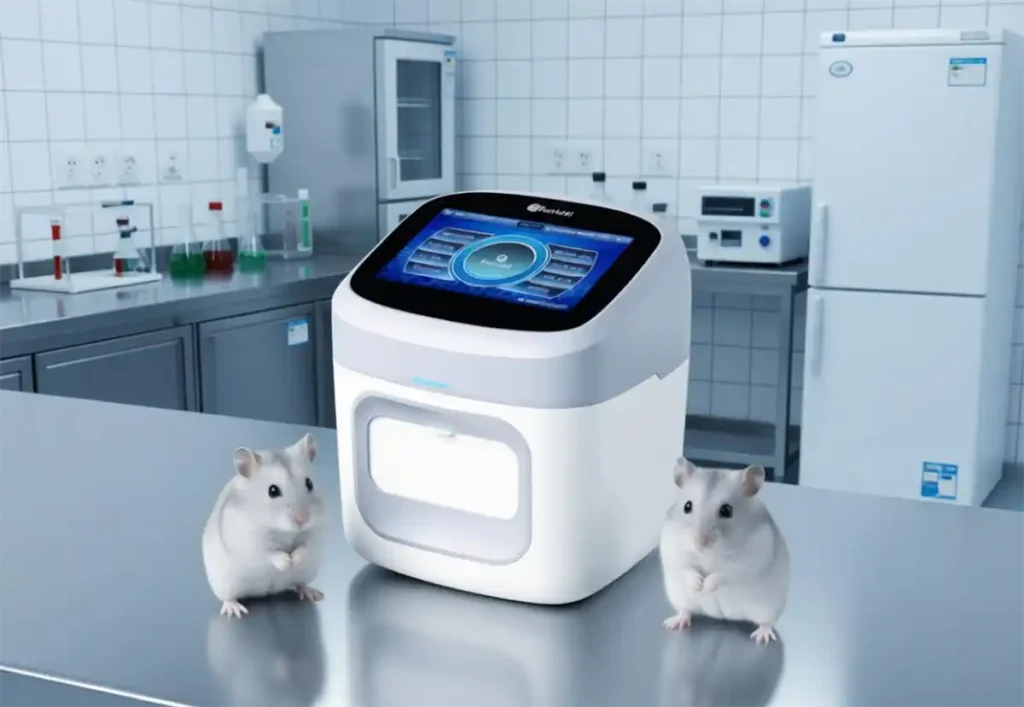
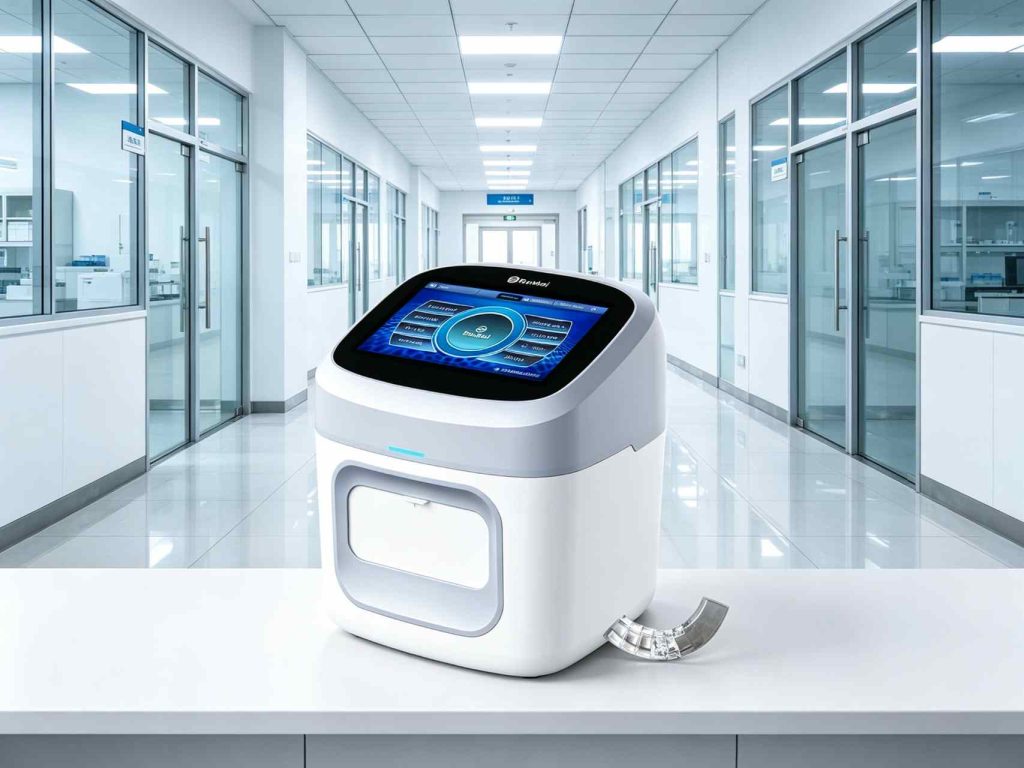
Looking for a reliable option? The 5-part differential hematology analyzer from RunMei Health is built for accurate, efficient blood analysis.
How Different Methods Cope
Impedance-based counters are particularly sensitive to haemoglobin interference; fluorescence and optical methods may flag abnormal cells differently. Modern analyzers report haemolysis or interference flags, but not every instrument catches every case. Knowing your instrument’s behaviour on visibly haemolysed samples — and comparing with the film — tells you which results to trust and which to reject.
What to Do When You See Hemolysis
Flag the sample, record the visible haemolysis, and assess which parameters are affected. For critical values, request a fresh, cleanly collected specimen and handle it gently. Report the results that remain valid with a comment, and reject or repeat those that are compromised. Document the haemolysis and the corrective action — accreditors look for a lab that notices, not one that quietly runs a bad sample.
Preventing Hemolysis at the Point of Collection
Most haemolysis happens before the tube reaches the analyzer, so prevention starts at the draw. Use a needle gauge matched to the vein, avoid excessive tourniquet time, and let the alcohol fully dry before venipuncture. Do not force blood through a needle during collection, and transfer from a syringe gently rather than spraying into the tube. Transport samples upright and at controlled temperature, avoiding pneumatic-tube trauma. A surprising share of repeat draws — and the pain and cost they carry — is simply a preventable haemolysis problem.
Looking for a reliable option? The portable multi-function blood analyzer from RunMei Health is built for accurate, efficient blood analysis.
Using the Hemolysis Index and Automated Flags
Modern analyzers and certain biochemistry platforms report a haemolysis index that quantifies free haemoglobin, letting the lab grade interference rather than guess from visual colour. Correlate the visible serum with the instrument’s index to build lab-specific rules for which parameters to trust. Combine this with the MCHC red flag: a suspiciously high MCHC with unremarkable red cell morphology should prompt you to check for haemolysis before releasing the result. Turning the haemolysis index into a documented rejection or comment rule is a small policy change with outsized quality benefit.
For a dependable solution, explore the 5-part veterinary blood analyzer from RunMei Health.
For a dependable solution, explore the RunMei diagnostic instruments from RunMei Health.
الأسئلة المتداولة
Q: Can a hemolyzed sample still be used for a CBC?
A: Partial use is sometimes possible: some parameters (RBC morphology on film, certain white cell counts) may remain valid depending on the method, but haemoglobin and the derived indices (MCH, MCHC) are typically unreliable. When uncertain, request a fresh sample, and clearly communicate which results were affected by haemolysis.