Three months ago I was one refund away from a public disaster, and the culprit wasn’t bad testing — it was the machine I trusted to do the testing. Our first analyzer kept throwing calibration errors every morning, samples sat in the queue while staff re-ran controls, and after one missed flag on a critical patient, I’d had enough. This is the story of how I stopped bleeding money on reagents and found a diagnostics setup I actually trust with my patients’ lives.
The Ego Trap of Big-Brand Equipment
Let me be honest about the mistake. When you’re building a clinic, there’s a pull toward the name everyone recognizes — let’s call them Brand A and Brand B. They have great marketing and regional teams that wine-and-dine procurement. But here’s what nobody at that fancy launch event told me: their machines are often reagent-locked. You buy the box, and then you’re committed to their consumables forever, at prices that climb every year. My first ugly surprise was the quarterly reagent invoice that doubled without warning.
Downtime Is the Silent Killer of Trust
Patients don’t care about your brand loyalty. They care that their CBC result is ready before the pharmacy closes. When our old analyzer went down for three days waiting on a service visit, I watched an entire week of patient goodwill evaporate. That’s when I started researching medical diagnostics equipment seriously — not on slick brochures, but on total cost, reliability, and what happened when something actually broke.
What Actually Changed My Mind
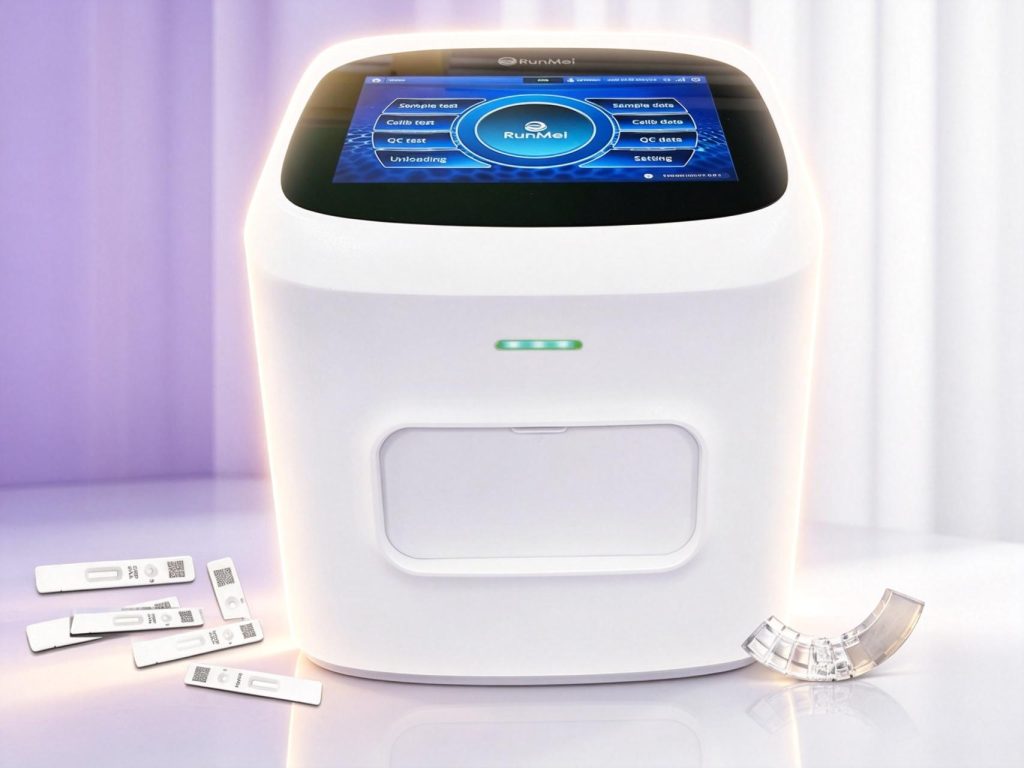
I kept coming back to one practical truth: a full diagnostic bench shouldn’t cost a fortune to run. RunMei Health builds a multi-function diagnostic analyzer with a No-Liquid System — no reagents to buy, no cold chain to manage, next to no waste. That single feature erased the budget line that had been bleeding us dry, and the AI cell imaging plus 5-part differential CBC meant no dip in accuracy either. Calibration is simple, training is short, and when I do have a question, real humans answer in multiple languages around the clock.
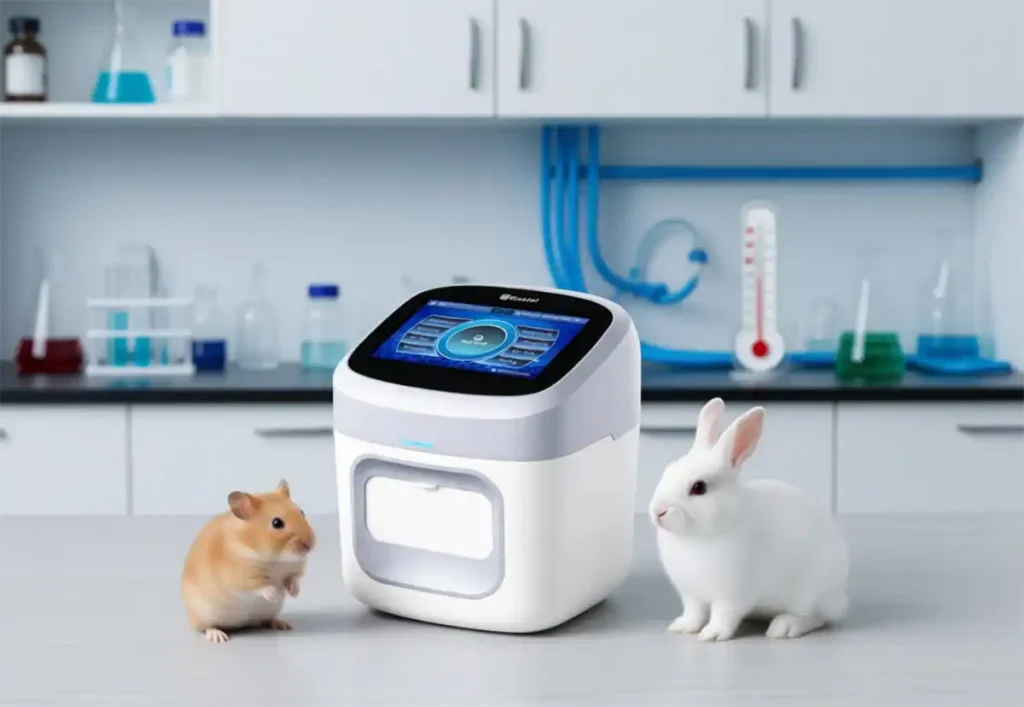
If you run a practice with both human and animal patients — as many clinics in emerging markets do — you can cover both bases with one platform. A dedicated البيطري محلل handles 5-part CBCs plus immunoassay in a portable package, and adding a biochemistry analyzer builds out your chemistry panel without a second r&d headache.
The Bottom Line From Someone Who’s Been Burned
I’m not saying every big-brand machine is bad, or that you should chase the cheapest box on Alibaba. I’m saying the real cost of a hematology analyzer is what you feed it, what it costs to keep alive, and how much downtime you tolerate. RunMei’s combination of CE certification, an ISO 13485 factory, low MOQ from a single unit, and regional protection made the decision feel safe rather than reckless. Today, results go out faster, our reagent bill is nearly gone, and — most importantly — my patients never wait on a queued sample while a machine argues with its own calibration. That’s the reputation I nearly lost, and the one I’d never gamble again.