Target keyword: “point of care hematology analyzer accuracy”
POC hematology analyzers bring CBCs to the bedside, but accuracy depends on technique. Review the real-world performance, the error sources, and best practices.
The promise of point-of-care haematology is beautiful in theory: blood, a small box, a number, within minutes, at the patient’s side, with no STAT-lab queue and no phone tag. The reality is a small box only as smart as the hands holding it — and those hands, often hurried, untrained, or exhausted, are the variable that quietly decides whether the number means something or nothing.
What POC Analyzers Deliver — and Where They Compromise
Modern POC analyzers from Brands A, B, and C deliver respectable CBC parameters with small sample volumes and rapid turnaround — ideal for emergency triage, rural clinics, and ICU monitoring. But they typically offer fewer parameters and a narrower dynamic range than core-lab instruments, and accuracy on abnormal samples depends heavily on operator technique, sample handling, and cartridge storage. Treat POC results as screening with a built-in threshold for escalation to the core lab.
The Five Error Sources That Kill POC Accuracy
Cartridge mishandling (temperature, expiry, improper priming), underfilled samples, microclots from poor venipuncture, delayed analysis causing cell settling, and operator variation in loading technique account for most POC inaccuracies. Mitigate with strict kit storage logs, standardised sampling training, immediate analysis, and a hybrid protocol: screen at the POC, confirm abnormals at the core lab.
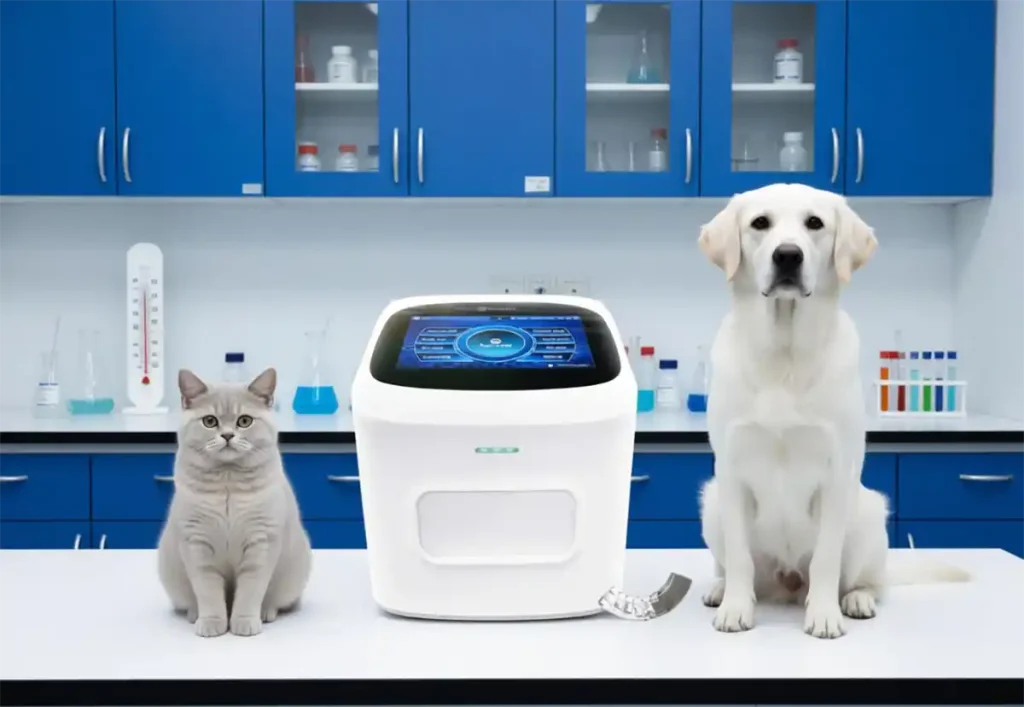
Looking for a reliable option? The compact hematology analyzer from RunMei Health is built for accurate, efficient blood analysis.
QC, Correlation, and Credentialing
A POC programme lives or dies by its quality framework: daily liquid QC, periodic against-analyzer correlation (capillary vs. venous), operator competency records, and documented rules for when POC results escalate to confirmatory testing. Accrediting bodies scrutinise POC closely; a loose correlation practice turns a bedside convenience into a compliance finding.
Building a Hybrid Workflow That Works
Define which parameters POC may release independently and which require confirmation. Set explicit action thresholds, document every escalation, and review correlation quarterly. The best POC programmes are not the most ambitious — they are the most disciplined. Structure beats aspiration every time at the bedside.
A Real-Bedside Scenario Worth Learning From
Imagine an ICU patient dropping anticoagulation-related bruising overnight. A POC hemoglobin at 23:00 reports low while the patient looks stable — but it is a fresh drop from a venous line that had just been flushed and diluted with saline. A disciplined team resamples from a clean site and confirms on the core lab before acting; a hurried one acts on the artefact and triggers an unnecessary transfusion. That single distinction is the dividing line between POC as a lifesaver and POC as a liability.
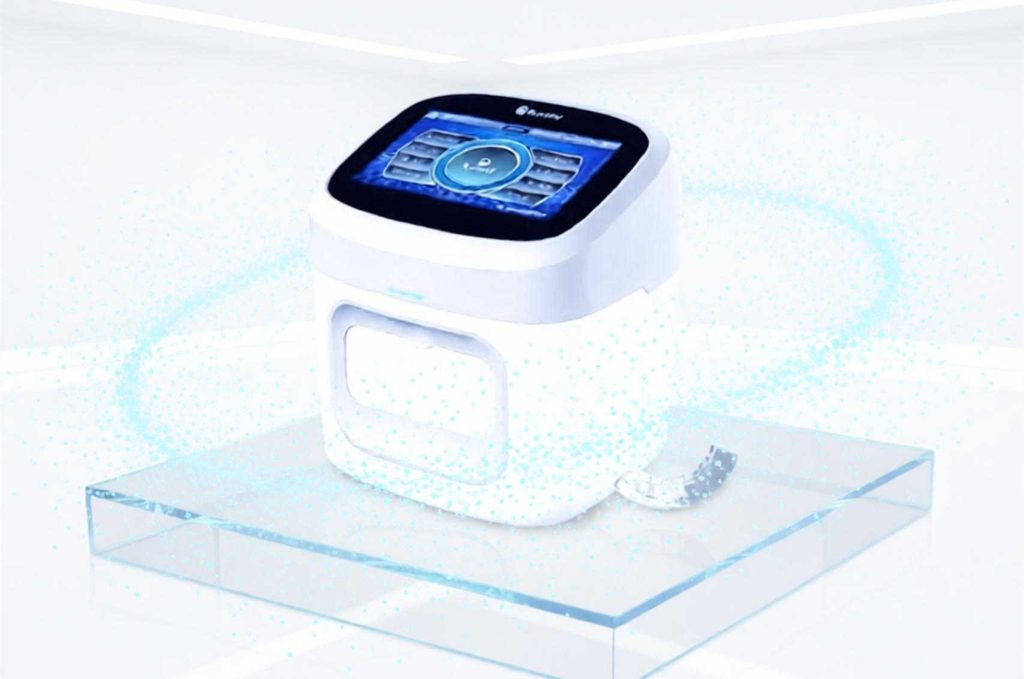
Looking for a reliable option? The compact analyzer for small laboratories from RunMei Health is built for accurate, efficient blood analysis.
Build your protocol around exactly this risk: institute a “no result acts on a questionable specimen” rule, standardise the approved collection site for POC draws, and require a second sample whenever clinical picture and result disagree. When the number and the patient tell different stories, the answer is always another draw — never blind faith in the box. Review every flagged discrepancy in the monthly correlation meeting so the pattern of errors becomes visible before it becomes a pattern of harm.
For a dependable solution, explore the 5-part veterinary blood analyzer from RunMei Health.
For a dependable solution, explore the RunMei diagnostic instruments from RunMei Health.
الأسئلة المتداولة
Q: Can POC analyzers replace the core lab haematology instrument?
A: Not yet, for comprehensive care. POC analyzers excel at rapid screening and monitoring but offer fewer parameters, narrower dynamic range, and higher operator-dependent variability. The strongest model is hybrid: POC for immediate bedside decisions, with abnormal or complex results confirmed on a high-end core-lab analyzer.