Your lab has a cost problem, and no amount of negotiating with your reagent supplier will fix it. The problem isn’t the price of the packs — it’s the entire business model that ties your diagnostics to a recurring consumables treadmill. I’m going to say the quiet part out loud: the reagent-based analyzer is an outdated anchor, and it’s time the industry stopped treating it as inevitable.
The Reagent Model Is the Hidden Tax
Think about what “owning” a traditional analyzer really means. You buy the hardware, then you’re locked into proprietary fluids, cold-chain shipping, and calibration schedules. Brands A, B, and C have all perfected this — low entry price, lifelong consumables. The cost of ownership compounds month after month, and the moment supplies lag, you’re down. That’s not quality medicine; that’s a toll road.
Why Direct Visualization Is the Honest Standard
Here’s the part I feel strongly about: we shouldn’t have to trust a black box. A modern CBC analyzer should let you see the cells — and with AI cell imaging, it does. This is the “golden standard” logic applied at scale: direct visualization instead of surrogate scatter signals. When a result is flagged, your technician inspects the actual images rather than re-running a smear on faith. That’s how you earn real confidence, and it cuts tedious manual review at the same time.
The Operational Case Nobody Mentions
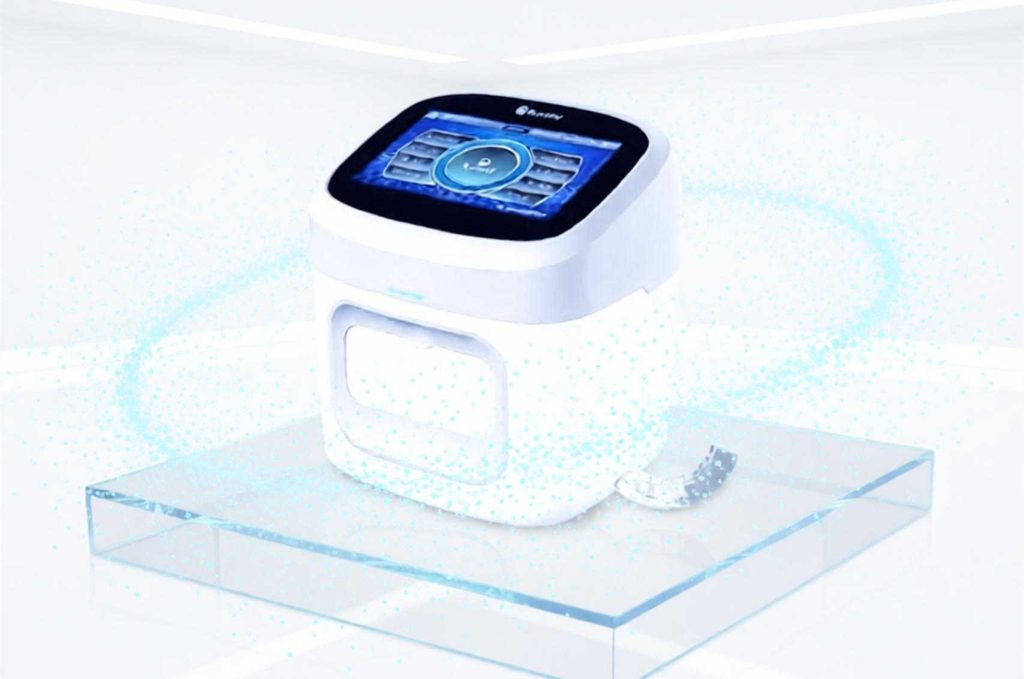
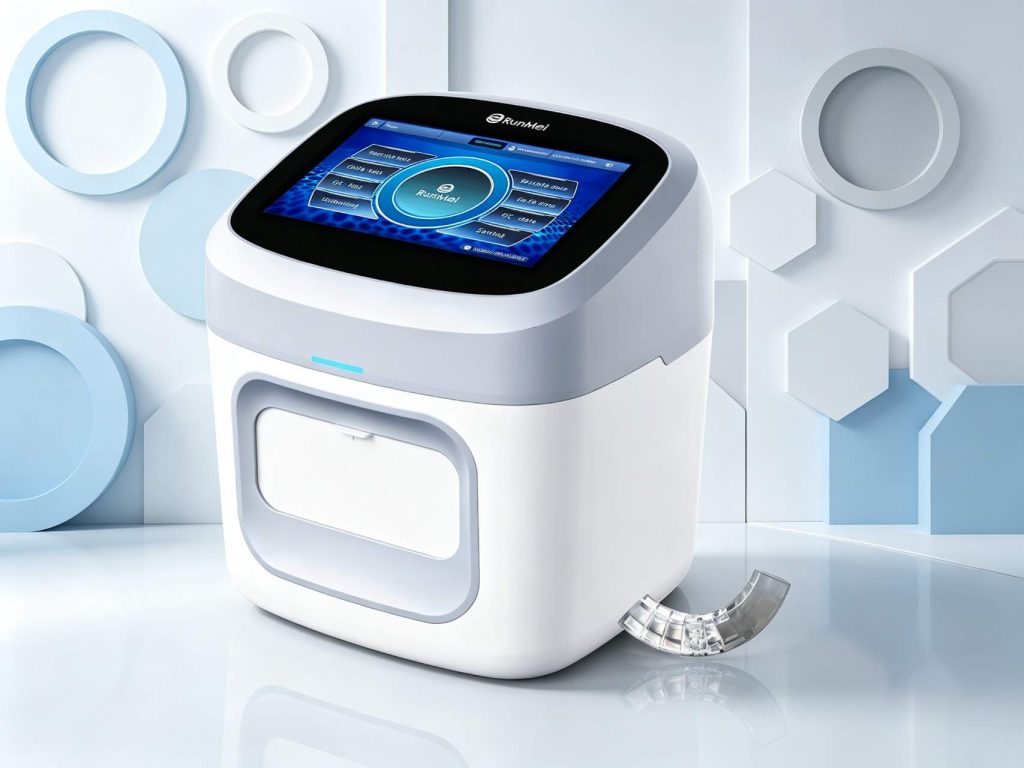
No-liquid architecture doesn’t just mean “no reagent invoice.” It means no cold-storage refrigerator, no waste disposal contract, no daily priming, and dramatically less downtime. Training drops to hours with a five-language interface. Portability means the machine lives where the patients are. And because it runs immunoassay too, you consolidate two instruments into one footprint — fewer vendors, fewer failure points. The multi-function hematology analyzer is the execution of that vision, and it pairs neatly with a certified automatic biochemical analyzer for a complete bench.
My Bottom Line
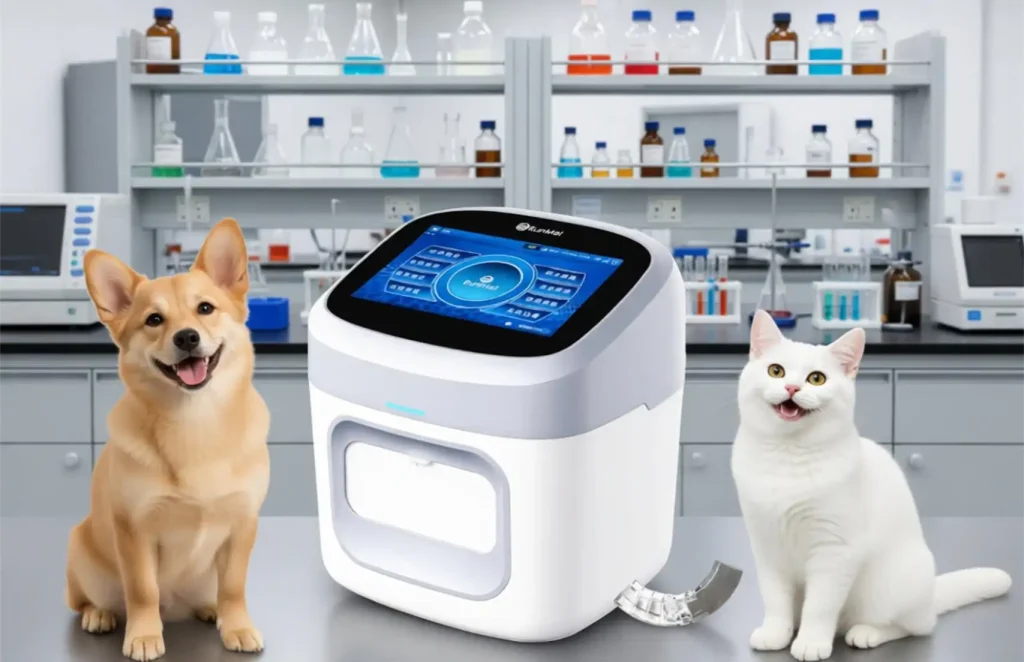
Vote with your procurement. Insist on CE certification and an ISO 13485 factory. Take advantage of low MOQ — start with one unit and prove the economics. And whether your patients walk on two legs or four, a single no-liquid platform can serve both through something like a veterinary blood analyzer for the animal side. The reagent treadmill is a choice, not a law. You can get off it.