Picture the CBC as a metal detector at an airport. Both do one unglamorous job staggeringly well: they flag the unusual without naming it. When that detector beeps, you don’t announce “terrorist” — you pull the passenger aside and look closer. Screening for white cell disorders works the same way. The complete blood count doesn’t diagnose leukemia, but when the total white count, the differential, and the automated flags conspire in the right pattern, it says “something is wrong in the marrow” early enough to change the outcome. The skill is in reading the alarm.
What a screening WBC panel is actually good at
The white cell arm of a CBC gives four independent signals for marrow trouble: the total WBC count (low or high); the differential — shifts among the five lineages against their reference proportions; absolute counts — the truly diagnostic numbers, since a high lymphocyte *percentage* inside a low total is meaningless until you see the absolute value; and automated flags — blasts, immature granulocytes, atypical lymphocytes, and nucleated red cells a competent analyzer reports for reflexive review.
A landmark framing of this logic sits in WHO guidance on laboratory screening: most acute leukemias present with at least one abnormality in this panel, and a pattern of cytopenias across lineages plus circulating immature cells is the classic “marrow is failing” picture. Catch it here, add a blood film, and you have moved a patient from incidental discovery to referral in one office visit.
The silent failure mode: a screen that misses
Every screening tool has a nemesis, and the CBC’s is a differential that hides abnormalities inside pooled populations. If your analyzer lumps all granulocytes into one bucket, a rising band count, a shift toward immature forms, or a suspicious basophil elevation never surfaces — the detector stays silent while the patient carries a growing problem. This is the practical argument for differentials that separate the lineages and machines that flag morphology findings.
Where portability changes who gets screened
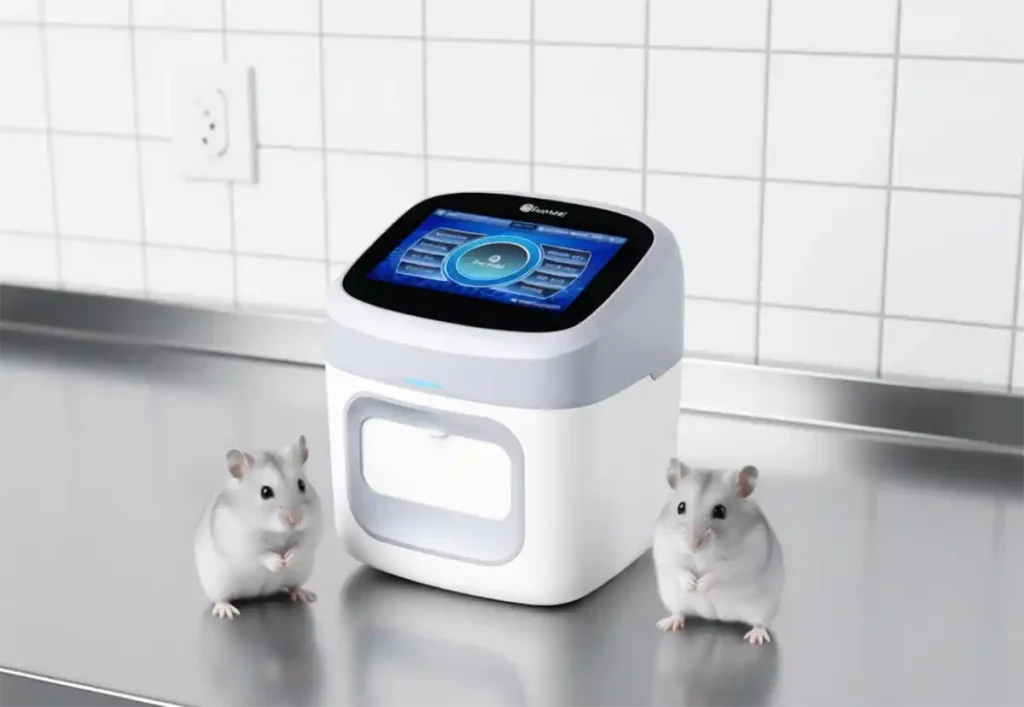
In global hematology, a screening test only works if the machine is in the room where the patient is. In primary care, urgent care, small clinics, and low-resource settings, the difference between a marrow disorder caught at a routine visit and one caught months later at a tertiary hospital is often simply whether a capable analyzer sits on the clinic bench. That is why portable hematology analyzers built for the diagnostics front line matter as a public-health instrument as much as a clinic convenience.
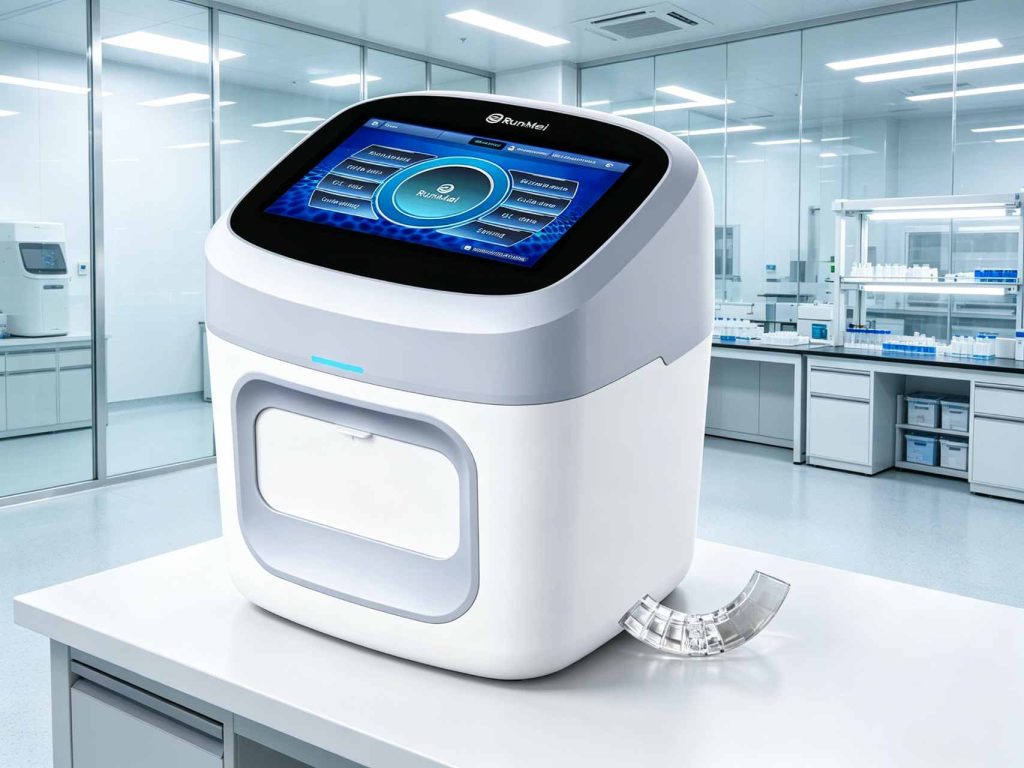
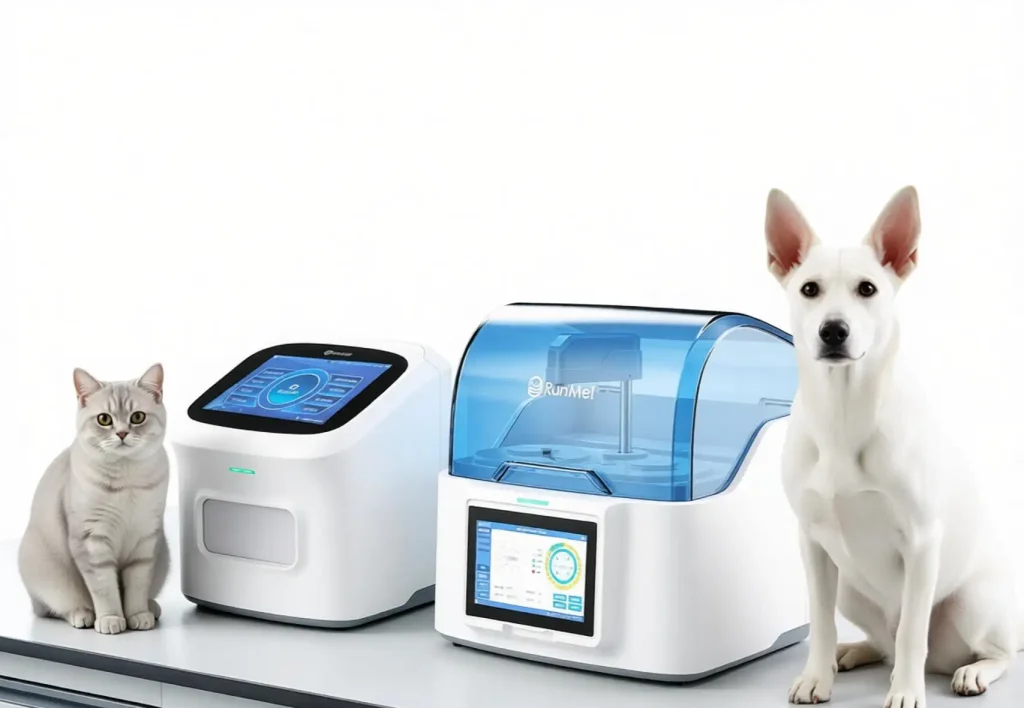
Compact instrumentation is no longer a synonym for “fewer parameters.” A modern portable multi-function blood analyzer can carry a genuine WBC differential alongside RBC, hemoglobin, and platelet channels into a small practice whose alternative was sending every count to a distant lab — returning results days later, long after the chance for early screening passed.
Quality is the screen’s contract
A screening machine’s promise is simple: abnormal samples must not look normal. That promise rests on analytical rigor — precision at low counts, linear range across pathological extremes, and flags that fire on genuine findings without drowning staff in false alarms. WHO Prequalification weighs these consistency properties when it approves hematology analyzers for low- and middle-income markets, precisely because a qualified instrument is one a minimally resourced lab can trust to separate the “screen and refer” patients from the “reassure and recheck” ones.
When you step into a full CBC analyzer designed around this screening duty, you inherit a discipline: report the total count, read the differential for what it hides, honor the absolute counts, and reflex every flagged sample to the microscope. Do that, and your CBC becomes one of the most cost-effective cancer and marrow screens in all of medicine.
أسئلة وأجوبة
Q: Can a CBC reliably screen for leukemia?
A: Not alone, but it is an excellent first detector. Most acute leukemias produce an abnormal WBC count or differential, and a CBC that flags immature cells combined with cytopenias triggers the blood film and referral that lead to diagnosis.
Q: What should I do when a CBC flags “blasts” or “immature granulocytes”?
A: Treat it seriously: look at the blood film yourself or send it for morphology review, repeat the count, and refer to hematology if the finding persists. Automated flags are a screen, and the film is the confirmatory next step.
Q: Why does the absolute differential matter more than percentages in screening?
A: Percentages distort when the total count is abnormal. Only the absolute count of each lineage tells you whether that cell type is genuinely increased or decreased — which is the signal that points toward specific white cell disorders.