Target keyword: “hematology analyzer veterinary vs human difference”
Vet and human analyzers handle different blood. Here is how veterinary and human hematology analyzers differ in species support, reference ranges, and validation.
The blood in a healthy Great Dane and a healthy human look similar enough that a naive technician might expect the same machine to handle both. Then the dog’s platelets clump, the horse’s cells differ in size, and the analyzer trained only on human blood quietly misreports them all. The difference between a veterinary and a human analyzer is not a label — it is the length of the species list it genuinely understands.
The Core Technical Differences
Veterinary analyzers are designed and validated for multiple species with markedly different cell sizes, fragility, and reference values — canine, feline, equine, bovine, and exotics — with species-specific libraries and algorithms. Human analyzers are optimised and clinically validated for human blood, with human reference ranges and human-specific flagging. Running non-human samples on a human analyzer produces unreliable counts and misleading interpretations.
Species Libraries and Reference Ranges
The heart of a veterinary analyzer is its species library: validated parameters, reference intervals, and normal-value logic for each supported species. Feline platelet clumping, equine red cell size, avian nucleated red cells — each needs specific handling. A human analyzer cannot apply these. Confirm the veterinary analyzer covers the species you see before purchase, and that the library is updateable as new species are added.
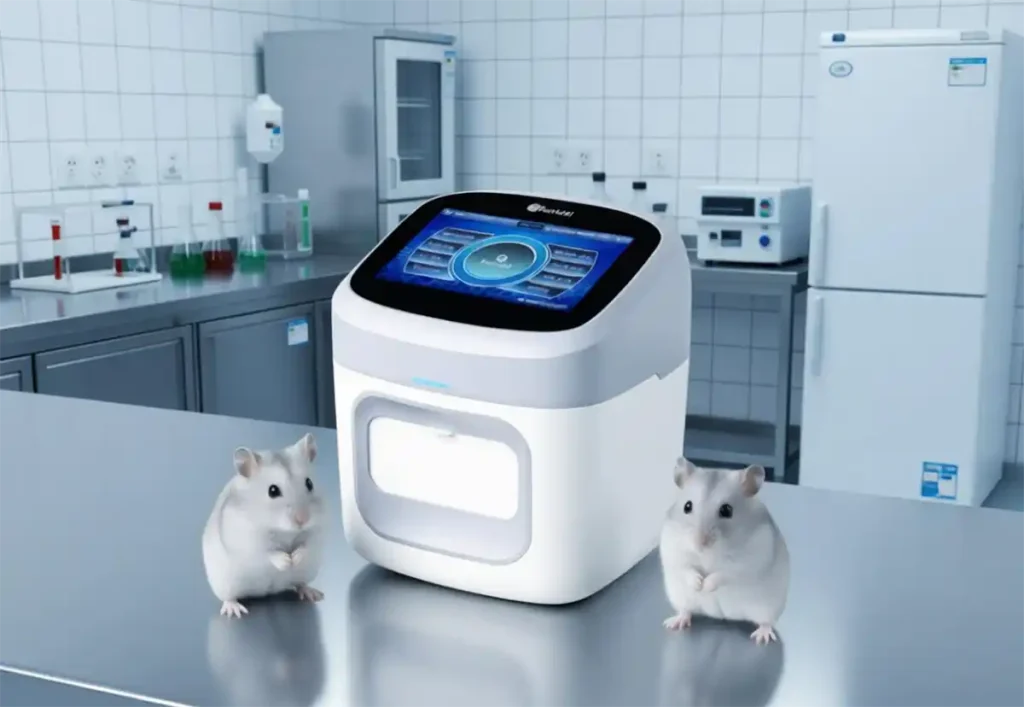
Looking for a reliable option? The CBC blood analyzer for point-of-care testing from RunMei Health is built for accurate, efficient blood analysis.
Validation and Regulatory Context
Human analyzers carry extensive clinical validation, CLIA/ISO documentation, and reference-method traceability for human samples. Veterinary analyzers are validated for animal samples with their own quality expectations. In-house validation for the species you actually test is essential — manufacturer claims are a starting point, not a substitute for verifying performance on your population.
Can One Analyzer Do Both?
A few platforms offer both human and veterinary modes, but the clinical validation and reference ranges for each species remain separate, and multi-species instruments are typically pitched at veterinary or research settings rather than accredited human clinical use. For a human lab, use a human-validated instrument; for a mixed-animal practice, choose a veterinary analyzer with the species coverage you need.
Practical Feline and Equine Pitfalls
Two species trip up newcomers the most. Feline blood is notorious for platelet clumping even in well-collected samples, so relying on a raw platelet count without a smear estimate can mislead — a species-aware analyzer and an alert technologist catch this. Equine red cells are larger and behave differently in impedance systems, and horses can show unusual backgrounds if sampling is poor. Choosing a vet platform with validated feline and equine protocols, and reviewing those species’ films regularly, prevents the most common cross-species misreads.
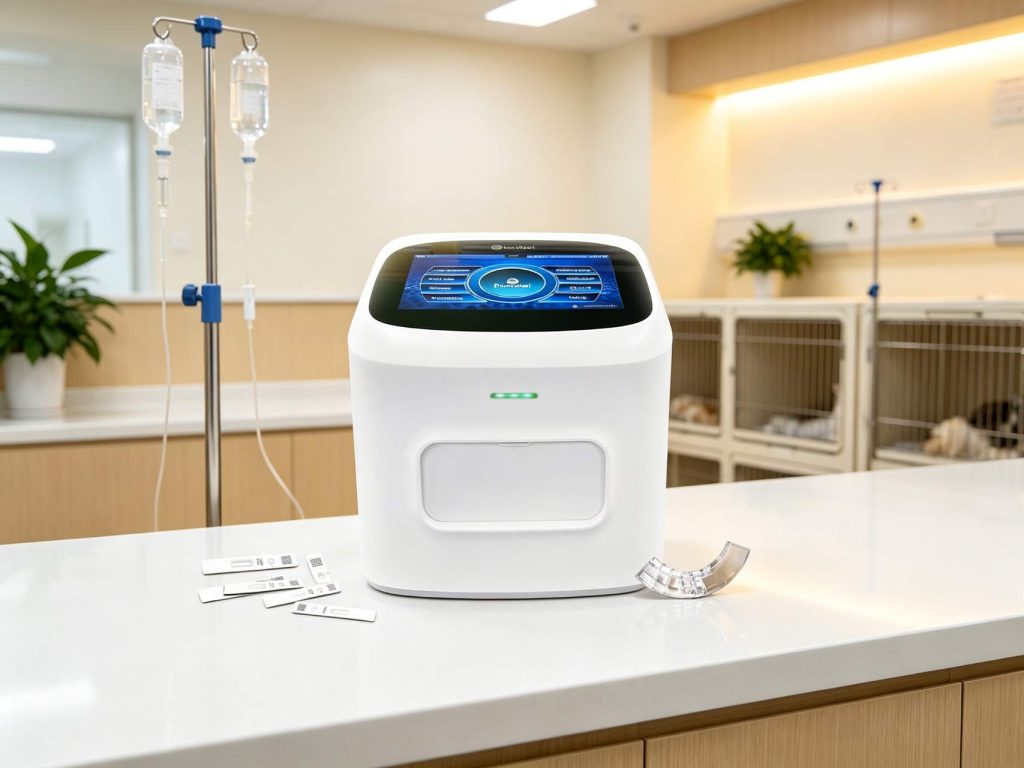
Looking for a reliable option? The portable multi-function blood analyzer from RunMei Health is built for accurate, efficient blood analysis.
Where a human analyzer would silently apply human logic to these samples, a veterinary instrument applies species-appropriate algorithms and flags. Yet even the best veterinary analyzer benefits from periodic film confirmation on the trickier species. Build a habit of cross-checking automated counts against the smear for clumping-prone or size-unusual species, and your reporting stays trustworthy across the whole patient mix.
Where a single analyser must serve many species, keep the species-selection step in the standard operating procedure so a sample is never run under the wrong library by mistake. The extra moment spent confirming the species saves a cascade of misleading results and rework that is far more costly than the check.
For a dependable solution, explore the veterinary hematology analyzer from RunMei Health.
For a dependable solution, explore the RunMei diagnostic instruments from RunMei Health.
الأسئلة المتداولة
Q: Can I use a human hematology analyzer on animal blood?
A: Not reliably. A human analyzer lacks the species libraries, reference ranges, and validated algorithms for animal cell sizes and fragility, producing inaccurate counts and misleading flags. Use a veterinary analyzer validated for the species you test, and verify performance on your own population.