Fatigue is too often dismissed as a normal part of rural life. A complete blood count reveals the epidemic hiding in plain sight.
| Meta Title | Anemia in Rural Communities: Why a CBC Blood Analyzer Is the First Line of Defense |
| Meta Description | Anemia affects one in four people worldwide, and rural communities carry the heaviest burden. Learn how CBC blood analyzer screening changes outcomes. |
| URL Slug | /blog/anemia-silent-burden-rural-communities-blood-analyzer/ |
| Focus Keyword | anemia screening rural communities CBC |
| Word Count (body) | 1095 words |
| Publish Date | 2026-09-17 |
A One-Sentence Answer
Anemia in rural communities is a silent, treatable epidemic that a CBC blood analyzer exposes in minutes — and early detection with a hemoglobin measurement is the single most effective first step toward treatment.
When did you last see a patient whose ‘just tired’ turned out to be something else? In rural clinics, that question answers itself too often. A farmer who cannot keep up in the field, a mother who feels faint by mid-morning, a child who falls asleep in class — these are the quiet presentations of anemia, and they are everywhere. The World Health Organization estimates that anemia affects roughly one-quarter of the world’s population, with the highest rates among preschool children, pregnant women, and women of reproductive age. In low- and middle-income countries, the prevalence climbs toward 50 percent in some groups. The WHO’s anemia fact sheet is blunt about the stakes: anemia impairs physical capacity, cognitive development, maternal and fetal outcomes, and economic productivity.
Why Rural Communities Carry the Heaviest Anemia Burden
Anemia is not evenly distributed; it follows poverty, distance, and disease. Rural populations face a perfect storm of causes: iron-deficient diets, malaria and parasitic infections that destroy red cells, hemoglobin disorders such as sickle cell disease and thalassemia, pregnancy demands, and chronic infections including HIV and tuberculosis. In sub-Saharan Africa, where roughly 56 percent of the population lives in rural areas, these drivers overlap so completely that anemia is the norm rather than the exception.
The most common drivers in rural settings
- Iron deficiency — the leading cause worldwide, worsened by limited dietary diversity and recurrent infections that block iron absorption.
- Malaria — repeated episodes cause hemolysis and suppress erythropoiesis; in endemic areas, malaria and anemia are inseparable.
- Hemoglobin disorders — sickle cell disease and thalassemia are common in Africa, the Mediterranean, the Middle East, and South Asia.
- Pregnancy and postpartum blood loss — maternal anemia raises the risk of hemorrhage, low birth weight, and maternal death.
- Chronic disease anemia — kidney disease, HIV, and tuberculosis all suppress red cell production.

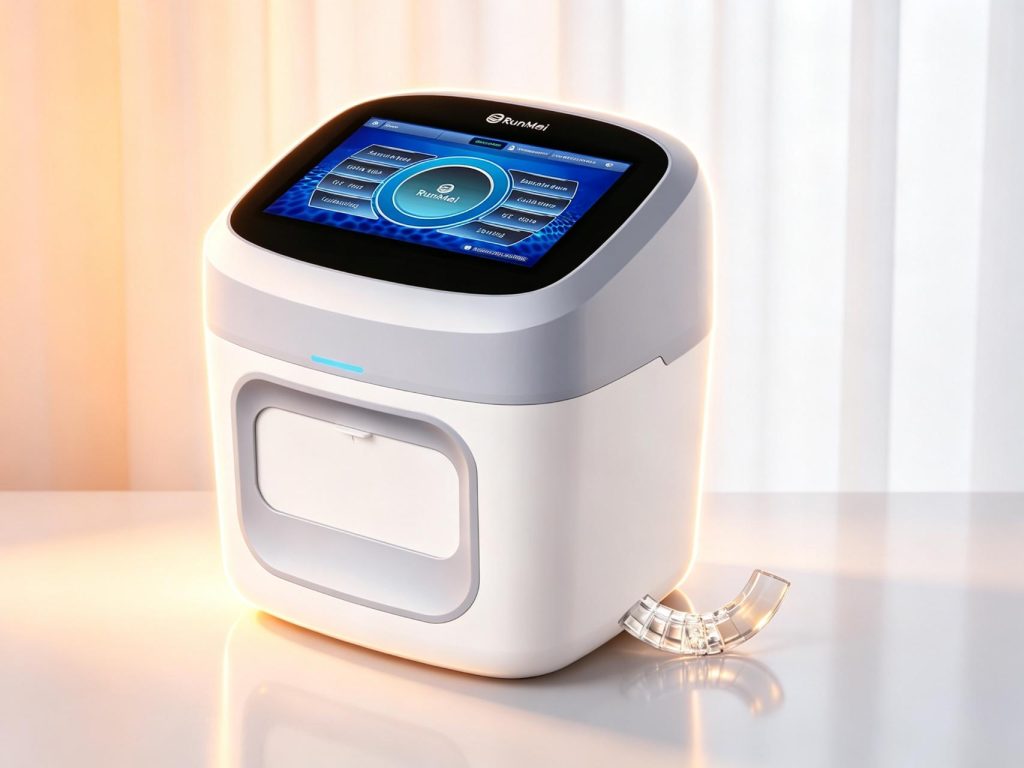
Figure 1. Hemoglobin and red cell indices from a CBC blood analyzer convert a vague complaint of fatigue into a diagnosable, treatable condition.
What a CBC Reveals That Clinical Suspicion Cannot
Clinical examination is a poor anemia detector. Pallor is an unreliable sign, and by the time a clinician notices it, hemoglobin may already be dangerously low. A complete blood count changes the equation by providing hemoglobin concentration and a full set of red cell indices — MCV, MCH, MCHC, and red cell distribution width — that not only confirm anemia but point to its cause. Microcytic indices suggest iron deficiency or thalassemia; macrocytic indices suggest B12 or folate deficiency; a high red cell distribution width flags mixed deficiency.
The WHO’s diagnostic framework for anemia is built on hemoglobin thresholds, and its guidance on hemoglobin cut-offs defines severity for men, women, children, and pregnant women. A blood analyzer delivers that measurement with laboratory-grade accuracy at the point of care — the same measurement that, in a central laboratory, would take days and a referral.
The five-part differential adds diagnostic power
Beyond the red cell line, a CBC with differential flags the infections and chronic conditions that so often accompany anemia in rural patients. Eosinophilia points to parasitic infection. Neutrophilia raises the question of bacterial infection. Lymphocytosis may indicate viral illness or, in endemic regions, hint at conditions that merit further evaluation. Platelet abnormalities add another layer: thrombocytopenia in a febrile patient is a classic signal of malaria, dengue, or sepsis.
None of this information reaches the clinician if the sample must travel to a distant laboratory. By the time a central-lab result returns, the fever has resolved or progressed, the pregnancy has advanced, and the decision point has passed. Portable blood analyzers versus the city lab courier — the math favors the clinic bench every time.
Screening Programs That Work
The most effective anemia programs do not wait for symptomatic patients; they screen. Antenatal clinics screen every pregnant woman at the first visit, as recommended in WHO’s antenatal care guidance. Schools screen children where hookworm and malaria are endemic. Outreach camps screen farming communities before the planting season, when physical capacity matters most. Each of these programs becomes practical only when a blood analyzer can run a hemoglobin and CBC on site.
The WHO’s decision to expand in vitro diagnostics prequalification to point-of-care hemoglobin analyzers reflects exactly this logic: screening programs scale only when the measurement is cheap, accurate, and available where people live.
From Screening to Treatment: Closing the Loop
A blood analyzer that finds anemia without a treatment pathway is half a solution. The most successful rural programs pair the analyzer with iron and folate supplies, deworming protocols, malaria treatment, and clear referral rules for severe anemia. When hemoglobin falls below 7 g/dL, the patient needs referral for possible transfusion; between 7 and 10 g/dL in pregnancy, aggressive supplementation and follow-up are indicated.
Suppliers are responding to this workflow. Automatic hematology analyzers designed for primary care volumes now ship with quality-control programs and low per-test reagent costs that make routine screening affordable. Multi-function portable analyzers extend the same instrument to ferritin-adjacent and biochemistry testing where budgets allow, and vendors offering complete reagent and service packages help clinics avoid the stockout cycle that kills screening programs in their second year.

hematology analyzer red cell indices display for anemia diagnosis in rural clinic
Foire Aux Questions
Q: What hemoglobin level defines anemia?
The WHO defines anemia as hemoglobin below 12.0 g/dL for non-pregnant women, 11.0 g/dL for pregnant women, and 13.0 g/dL for men. Thresholds for children vary by age. A CBC blood analyzer reports hemoglobin directly against these cut-offs.
Q: Can anemia be detected without a blood test?
Clinical signs such as pallor, fatigue, and breathlessness are unreliable and appear late. Only a blood test can measure hemoglobin accurately, which is why the WHO recommends laboratory confirmation as the diagnostic standard.
Q: How does a CBC help find the cause of anemia?
Red cell indices — MCV, MCH, MCHC, and RDW — categorize anemia as microcytic, normocytic, or macrocytic, pointing toward iron deficiency, thalassemia, chronic disease, or B12/folate deficiency. The white cell and platelet lines add infection and bleeding clues.
Q: Is anemia screening in pregnancy worth the cost?
Yes. Maternal anemia increases the risk of hemorrhage, preterm birth, low birth weight, and maternal death. Screening every pregnant woman with a hemoglobin measurement and treating detected anemia is one of the highest-value interventions in antenatal care.
Q: How often should a rural clinic run quality control on its blood analyzer?
At minimum, run commercial control material daily or per test batch, participate in an external quality assessment program quarterly, and follow the manufacturer’s calibration schedule. Documented QC is what makes screening results defensible.
Medical Disclaimer
This article is for educational and informational purposes only and is not a substitute for professional medical advice, diagnosis, or treatment. Always seek the advice of your physician or another qualified health provider with any questions you may have regarding a medical condition. Never disregard professional medical advice or delay in seeking it because of something you have read in this article. Product names, brand names, and trademarks mentioned are the property of their respective owners; other brands are referred to as Brand A, Brand B, and Brand C for comparative illustration. Device specifications, regulatory clearances, and pricing should be verified with the manufacturer and relevant regulatory authorities (including the U.S. FDA and WHO) before any procurement or clinical decision. This article may contain links to third-party websites, including references to the FDA, WHO, and peer-reviewed journals; RUNMEI Health is not responsible for the content of external sites.
References and Sources
- The WHO’s anemia fact sheet — https://www.who.int/news-room/fact-sheets/detail/anaemia
- Portable blood analyzers versus the city lab courier — https://runmeihealth.com/portable-blood-analyzers-vs-city-lab-courier-the-real-math-for-rural-healthcare/
- expand in vitro diagnostics prequalification to point-of-care hemoglobin analyzers — https://extranet.who.int/prequal/news/prequalification-ivds-scope-expanded-haemoglobin-poc-analysers
- Automatic hematology analyzers designed for primary care volumes — https://runmeihealth.com/product/automatic-hematology-analyzer/
- Multi-function portable analyzers — https://runmeihealth.com/product/bca-320-automatic-portable-multi-function-analyzer/
- vendors offering complete reagent and service packages — https://runmeihealth.com/diagnostic-reagents/