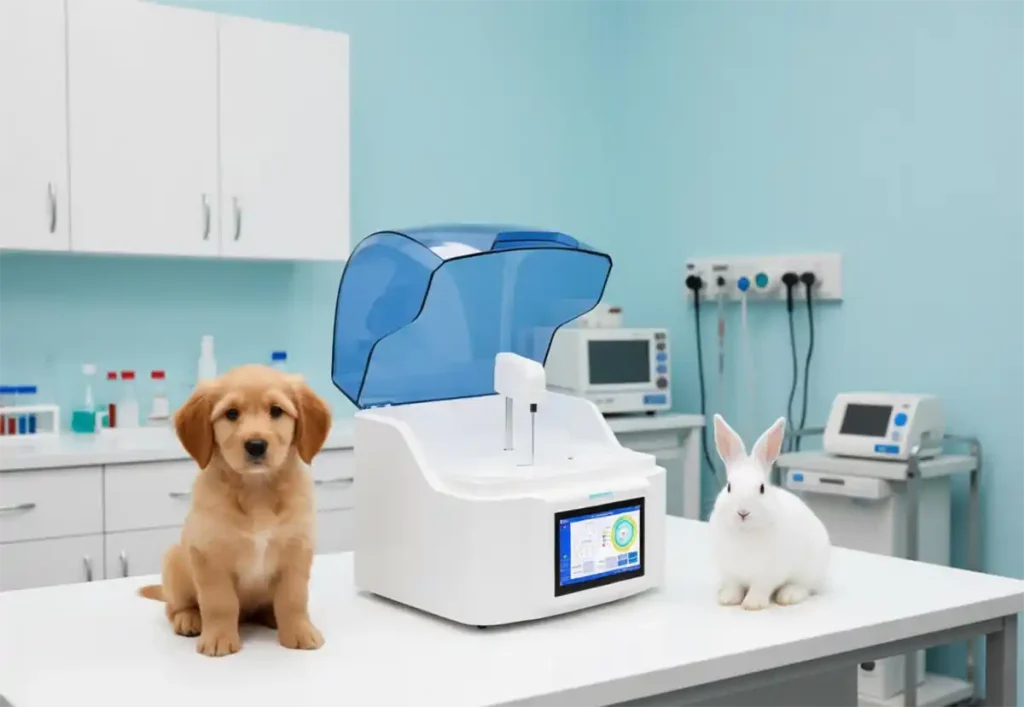
Understanding CLIA complexity categories is the first step in choosing a hematology analyzer that a rural facility can actually run.
By Dr. Ling Chen, MD (Laboratory Medicine Specialist) | Reviewed by Dr. Angela Reyes, MD, MPH (Infectious Disease Physician) | Published 2026-10-11 | Read time: ~7 minutes
Let’s kill a myth first: buying an FDA-cleared hematology analyzer does not mean any clinic can plug it in and start reporting results. In the United States, what decides whether a rural clinic may run a test is not clearance – it is CLIA complexity, and a CLIA-waived hematology analyzer is a different proposition from a standard one. This buyer’s guide untangles the two so your rural lab buys what it can actually run.
Confusion here is expensive. A clinic that purchases a moderately complex analyzer it is not licensed to operate faces a quiet choice between stopping testing entirely or running outside its authority. Understanding waived versus standard testing prevents that mistake before the delivery truck even arrives.
The practical answer: most village and community health posts should look first to a waived system they can staff and oversee; a larger community hospital with licensed laboratory staff can consider a standard analyzer for higher volume and a fuller differential.
The Myth: “If It’s Cleared, We Can Run It”
The misconception is understandable. Vendors advertise clearance, and clearance sounds like permission. But FDA clearance establishes that a device is safe and effective; CLIA classification establishes who may use it and under what oversight. Conflating the two is the single most common procurement error in small rural laboratories.
Why the Confusion Persists
Sales materials rarely foreground complexity, and a waived test and a moderately complex one can look nearly identical on a bench. The difference lives in regulations, not appearance – and ignoring it can leave a clinic holding an expensive machine it cannot legally operate.
The cost of that mistake is not abstract. A clinic that outgrows its authority may stop offering a test its community relied on, or continue quietly without oversight and risk an audit finding. Either outcome wastes money that was meant to buy better care, which is why the first procurement question should be regulatory, not financial.
What CLIA Complexity Actually Means
CLIA sorts laboratory tests by complexity: waived, moderate and high. Waived tests are deemed simple enough that the risk of erroneous results is low. Moderate-complexity tests, which include many standard hematology analyzers, require a registered laboratory, trained personnel and quality-management oversight.
What Each Category Demands
Waived tests need a simple certificate and basic adherence to the manufacturer’s instructions. Moderate-complexity tests demand a compliance certificate, periodic inspections, qualified supervisors and documented quality control. This is why a standard analyzer can be the wrong purchase for a post with no licensed technologist. Global guidance supports bringing basic hematology to first-level care, as described in the WHO Model List of Essential In Vitro Diagnostics и the WHO overview of primary health care – but the local regulatory category still governs who runs it.

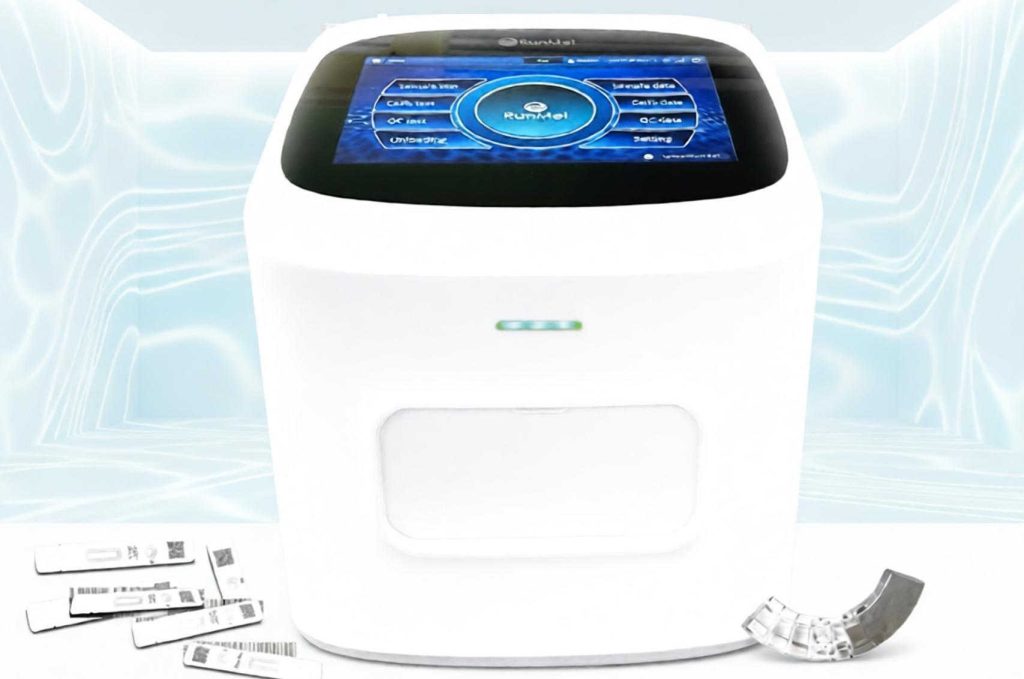
Figure 1: A waived hematology analyzer lets a small rural clinic run CBC screening within a simple CLIA certificate.
Image title: CLIA-waived hematology analyzer on a small rural clinic bench | Alt text (web): CLIA-waived hematology analyzer for a rural clinic bench
Structured data: ImageObject schema for this image is provided in the Technical SEO & GEO Package below.
CLIA-Waived Hematology Analyzers: Who They Suit
A CLIA-waived hematology analyzer is built for exactly the rural situation: small volume, modest staffing, a need for trustworthy screening. These systems use simplified protocols, on-board prompts and closed reagents, and they can be operated by clinic staff after focused training.
Who Should Choose Waived
Village health posts, antenatal clinics and small outreach programs are the natural home for waived systems. They fit a model of blood testing with community health workers, where the operator is a trained local staff member rather than a certified technologist. For these settings, a waived analyzer delivers reliable screening and triage without the overhead of a full laboratory license.
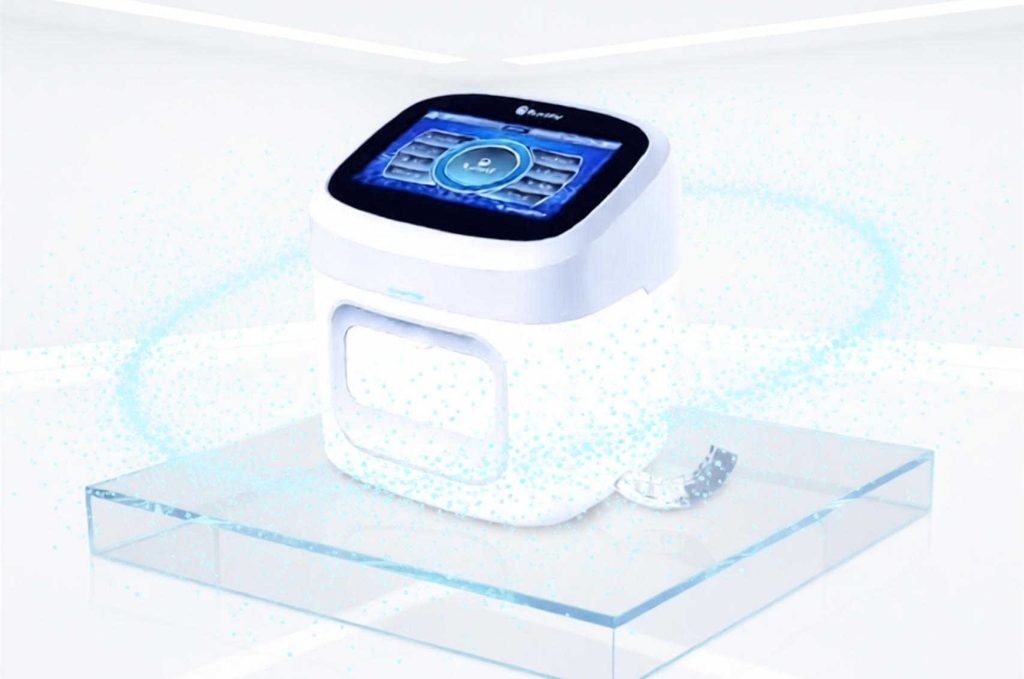
Figure 2: A standard hematology analyzer suits a registered community hospital laboratory with trained staff.
Image title: Standard benchtop analyzer in a community hospital laboratory | Alt text (web): standard hematology analyzer for a community hospital laboratory
Structured data: ImageObject schema for this image is provided in the Technical SEO & GEO Package below.
Standard (Non-Waived) Analyzers: When You Need More
A standard, non-waived analyzer earns its place when volume and acuity rise. A community hospital running hundreds of samples a week, needing a full five-part differential and serial monitoring of chronic patients, benefits from the throughput and parameters a moderate-complexity system provides.
When Standard Makes Sense
Hospitals managing anemia of chronic disease in long-term patients, for example, rely on detailed and reproducible counts – the kind discussed in the New England Journal of Medicine review of anemia of chronic disease. Such facilities typically already hold a compliance certificate and employ licensed staff, so the added regulatory burden is not new. The decisive question is whether your team can meet that burden day to day.
Standard analyzers also tend to run higher throughput, larger sample volumes and more comprehensive QC schedules. For a busy community hospital processing urgent same-day results, that capacity justifies the complexity; for a village post doing twenty samples a day, it is over-engineered overhead.
How Rural Labs Should Actually Choose
Choosing correctly starts with honesty about your licensing, staffing and volume. Confirm a device’s classification in the FDA’s 510(k) premarket notification database, map it to the certificate you actually hold, and price the ongoing oversight, not just the instrument.
A Simple Decision Sequence
Start with your CLIA certificate, then your trained staff, then your monthly sample count. If you hold only a simple certificate and few staff, target a waived analyzer and plan for training and maintenance for rural analyzers. If you are a registered hospital with technologists, a standard analyzer may suit your volume. Always weigh the real cost of a blood analyzer in a community clinic, which runs well beyond the purchase price, and consider how rural diagnostic equipment is funded before committing to a category you cannot sustain.
Вопросы и ответы
What does CLIA-waived actually mean?
Under the US Clinical Laboratory Improvement Amendments, waived tests are categorized as simple and low-risk of error, so they may be run in facilities with a simple CLIA certificate, outside a fully supervised laboratory. Waived hematology analyzers use simplified protocols, but staff must still follow the manufacturer’s instructions and run quality control.
Can a rural clinic run a non-waived hematology analyzer?
Only if it holds the appropriate CLIA certificate – usually a certificate of compliance – and employs or contracts qualified personnel with documented training and quality-management oversight. A clinic without that infrastructure should choose a waived system instead.
Is a waived analyzer less accurate than a standard one?
Not inherently. Waived systems are designed to be reliable for screening and triage, and fresh on-site samples often outperform transported specimens. They may offer fewer parameters or a simpler differential than standard analyzers, so match the device’s test menu to your clinical needs.
Where do I check a hematology analyzer’s official clearance?
You can verify device clearance through the FDA’s 510(k) premarket notification database and the CLIA-waived analytes list. Always confirm the current category for the exact model you intend to buy, because classifications can differ between devices even within a single product line.
Conclusion
The choice between CLIA-waived and standard hematology analyzers is not a contest of quality; it is a match between a device and the regulatory, staffing and volume reality of your laboratory.
Buy the instrument your certificate and team can actually sustain. A waived analyzer quietly serving a village post beats a standard machine sitting unused in a closet. Get the category right, plan the oversight, and the testing will keep running for the patients who need it.
Disclaimer
This article is provided for general informational and educational purposes only and does not constitute medical advice, diagnosis, or treatment. Laboratory testing must be performed by trained personnel in accordance with applicable regulations, manufacturer instructions and local law. Always consult a qualified healthcare professional for clinical decisions. Product names and capabilities described may vary by market and regulatory clearance. RunMei Health does not warrant that any device is suitable for a specific facility or jurisdiction without professional evaluation.