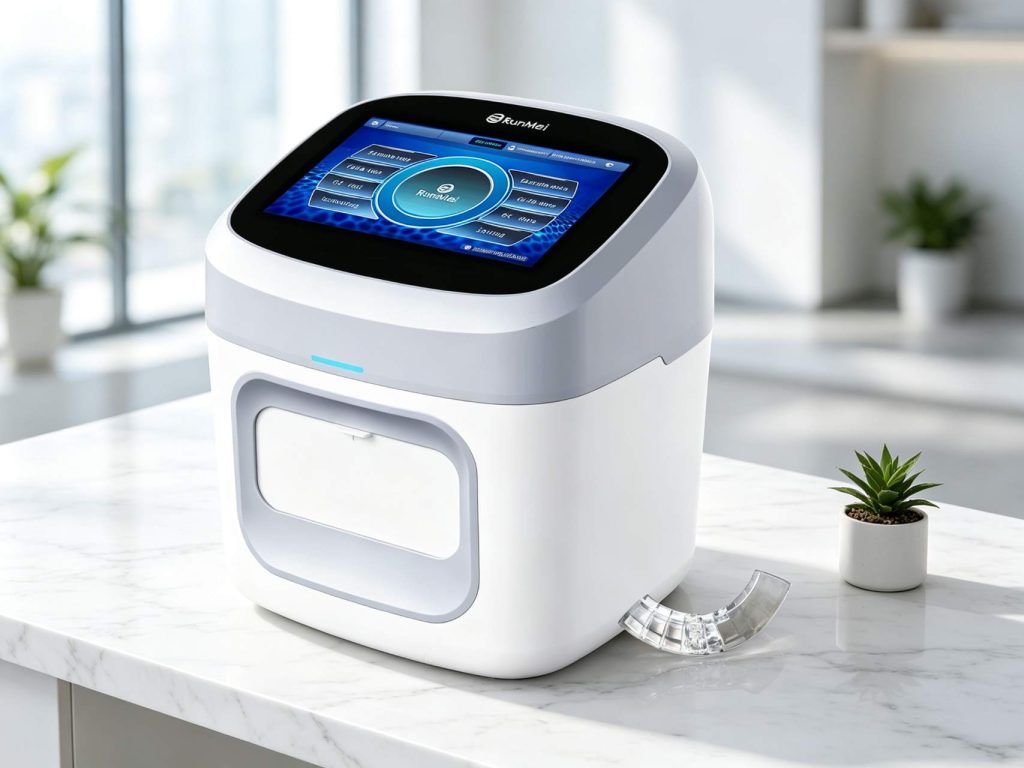
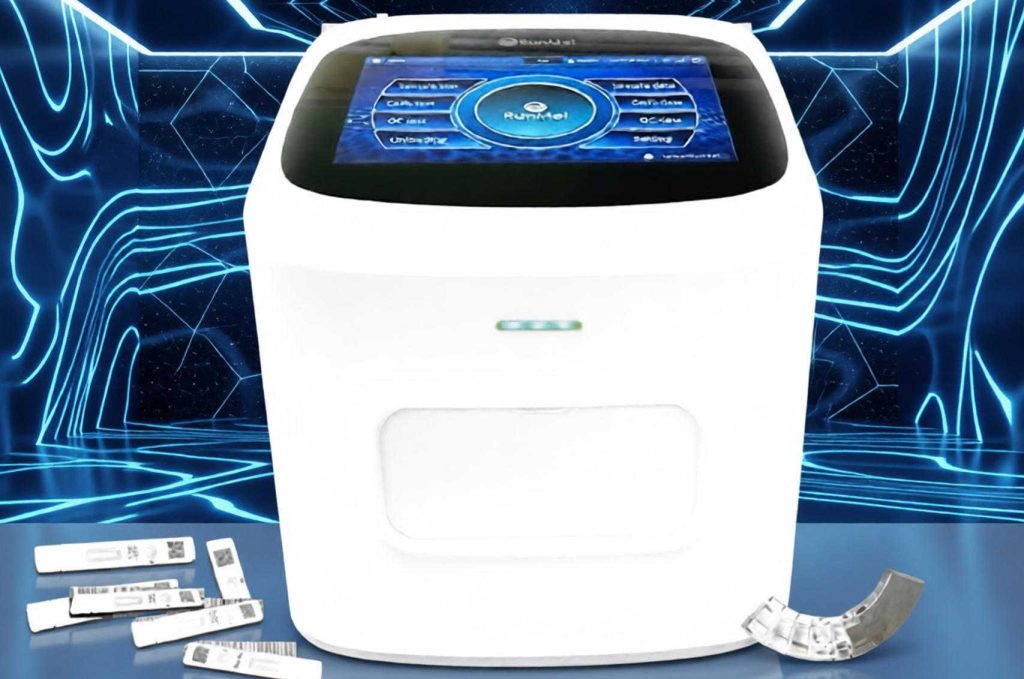
The contrast could not be sharper. Most laboratory pain points—cold-chain reagent delivery, fluidics maintenance, calibration drift, split-sample coordination, and the quiet tax of downtime—all trace back to one assumption: that blood analysis must be reagent and liquid dependent. A reagent-free platform inverts that assumption, replacing consumable workflows with AI-driven imaging that changes the economics and reliability of the modern laboratory.
The Strategic Brief
For executives, this is a supply-chain decision masquerading as an equipment purchase. A no-liquid hematology analyzer eliminates recurring reagent procurement, cold-chain storage risk, and hazardous fluid waste. Service and calibration burdens shrink because there are fewer moving fluidic parts to fail. The result is a shorter path from sample to reportable result, and a leaner cost-per-test that improves as volumes rise.
Operational Upside
Operationally, the winning configuration often pairs hematology with chemistry in one bench. A medical diagnostics equipment portfolio that covers a 5-part CBC and adds immunoassay capability reduces the number of instruments, the floor space, and the staff training overhead. The same footprint that hosts the cell counter can run a clinical biochemistry analyzer, letting a modest lab deliver a dramatically wider menu without hiring more operators.
Compliance and Market Readiness
Procurement teams should read current medical device regulatory updates carefully: IVDR transition deadlines in Europe and FDA oversight of IVDs in the United States are raising the documentation bar. Prefer devices carrying CE marking and ISO 13485 certification, and confirm the supplier can furnish technical files for tender. Low minimum order quantities, starting from a single unit, reduce inventory risk when trialing a new platform.
Veterinary Extension
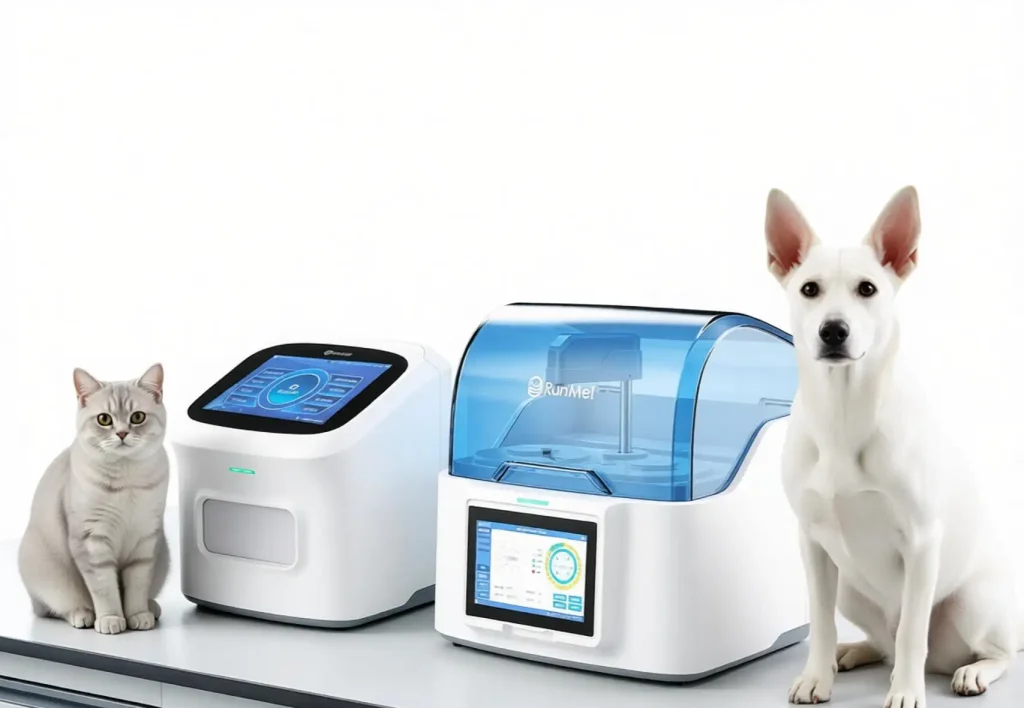
The same logic applies beyond human diagnostics. A portable platform that also serves as an animal hematology analyzer allows clinics to add blood-count capability without committing to a rigid, reagent-bound instrument. Portability and multi-functionality make it viable for field work and satellite sites.
The executive takeaway is simple: challenge the reagent assumption. A reagent-free, multi-function analyzer with strong regulatory credentials is not a niche choice—it is the strategic answer to the operational drag that conventional instruments silently impose.