Meta Title (≤60 chars): Funding Rural Lab Equipment in Africa: Donors and Analyzers
Meta Description (≤155 chars): Donors pay for most malaria diagnostics in Africa. The same funding logic now applies to blood analyzers for rural clinics. Here is how to tap it.
Target Keywords: donor funding laboratory equipment Africa, blood analyzer procurement grant, rural diagnostics financing, CBC equipment funding health centers
Donor money built malaria testing. The same instruments of funding can build rural hematology.
By RunMei Health Editorial Team | Published: September 18, 2026 | Reading time: ~5 min
Follow the money in African diagnostics and you will find a paradox: the disease that kills the most children gets the most generous testing funding, while the equipment that could catch everything else is paid for out of a district budget that was empty in January. Malaria diagnostics in the Middle East and Africa anchored over 80% of global revenue in 2025, propelled by roughly 265 million cases – and donor funding paid for 72% of diagnostic purchases. The machinery of that funding – global funds, procurement agencies, country programs – already exists. The question this article asks is simple: why is the same machinery not buying blood analyzers for rural clinics?
How malaria testing got funded – and what it proves
Malaria diagnostics became the world’s best-funded testing program through a repeatable formula: a clear disease burden, a global coalition, volume-based procurement, and a supply chain that reached the village. Donors bought rapid tests by the hundreds of millions, paid for training and supervision, and built the distribution that puts a test in the hands of a community health worker in a remote district.
The formula proved that rural Africa can absorb diagnostics at scale. The infrastructure – procurement channels, training networks, supervision systems – is partly transferable. The missing piece is the menu: the health worker who can test for malaria but cannot count a patient’s blood is still working with one eye closed.
For procurement teams, the blood analyzer product range page lists the specifications that matter in the field, not just on paper.
The anemia and non-communicable disease funding case
Anemia offers the natural bridge. The WHO estimates that 40% of children aged 6-59 months and 37% of pregnant women are anemic worldwide, and the treatment – iron, deworming, malaria prevention – is cheap once the diagnosis exists. Funding a hemoglobin and CBC pathway is therefore not a new disease program; it is the diagnostic half of programs that are already funded.
Non-communicable diseases are the second bridge. As diabetes and hypertension programs expand into primary care, they need baseline blood work, and a CBC plus basic biochemistry answers much of it. Donors funding NCD care are increasingly adding hematology capacity for the same reason they added glucose meters: you cannot manage what you cannot measure.
The procurement routes that already exist
From global mechanisms to national budgets
Several channels can carry analyzers to rural clinics. Global health mechanisms fund laboratory strengthening as part of disease programs; regional bodies run pooled procurement that drives prices down; and national ministries allocate budget lines for primary-care equipment. Each has paperwork, but each has also bought diagnostics before – the analyzers need to be on the right menu.
The key skill for a facility or NGO is writing the request in the funder’s language: burden data, expected volumes, cost per test, and measurable outcomes. A proposal that says ‘a blood analyzer for our clinic’ competes poorly; one that says ‘a CBC pathway for 40,000 people, reducing referral loss by an estimated X%’ is a different document entirely.
If you want the full background, building a national rural diagnostics roadmap goes deeper into the data.
Making the numbers work for a funder
Funders fund what they can measure. The strongest proposals carry: baseline anemia or testing-gap data from the catchment, expected test volumes by month, per-test cost after the device, and an outcome tied to care – treated anemia cases, averted referrals, or reduced time-to-treatment. The same per-test math that convinces a district treasurer convinces a program officer.
Donors also respond to durability. A proposal that includes operator training, reagent supply planning, and quality assessment – the system around the device – reads as an investment; a bare equipment request reads as a gamble. The blood analyzer is the anchor, but the system is the proposal.
RunMei’s automatic hematology analyzer was built for exactly this kind of setting — no mains-dependent lab, no full-time technician, no long training curve.
The national laboratory roadmap argument
The most powerful case is systemic: countries are building national laboratory roadmaps, and a roadmap without hematology at primary level is a plan that leaves the most common conditions untested. Ministries that cost these roadmaps find that point-of-care analyzers at health centers are among the highest-yield items on the list.
The funding future looks like a blend: global mechanisms for disease-linked testing, pooled procurement for price leverage, national budgets for the base network, and NGO and foundation grants for the pilot districts. The analyzers that arrive through all four channels need to be the same kind of device – village-sustainable, low per-test cost, and supportable in-country – which is why procurement standards matter as much as the money.
The district treasurer’s arithmetic
The district treasurer sees the analyzer’s price and flinches; the health officer sees it differently – the referrals that will not happen, the laboratory fees that will not be paid to the town, the days of patient travel that will not be lost. The arithmetic belongs on one page, and it is the page that wins the budget meeting.
The honest calculation counts: device cost over five years, reagents per test, and the tests the facility will actually run – then subtracts the cost of the referrals and repeat visits the device prevents. Districts that run the calculation find the analyzer’s net position is far better than its sticker price suggests.
There is a second line in the budget that matters: the cost of doing nothing. The anemic mother undiagnosed, the dengue case detected late, the febrile child treated blind – each becomes an emergency that the district pays for anyway, in transport, drugs, and hospital days. The analyzer is the rare purchase that appears on both sides of the ledger, and the side that saves is usually the bigger one.
Ministries that publish this arithmetic make the case continent-wide: when the per-test cost of in-house CBC testing lands below the full cost of outsourcing – transport, repeat visits, lost results – the policy question answers itself. That is why national roadmaps now cost point-of-care analyzers into primary-care budgets as routine items, not capital exceptions. The proposal writer’s job is to make the treasurer see what the clinician sees: a machine that produces answers, prevents emergencies, and earns its place in the budget every single day it is switched on. That daily earning is the difference between an equipment grant and a system investment – and the system, not the sticker price, is what funders ultimately buy, year after year.
The clinic that starts with a single why rural health centers are adopting point-of-care analyzers usually restructures its whole referral pathway around it.
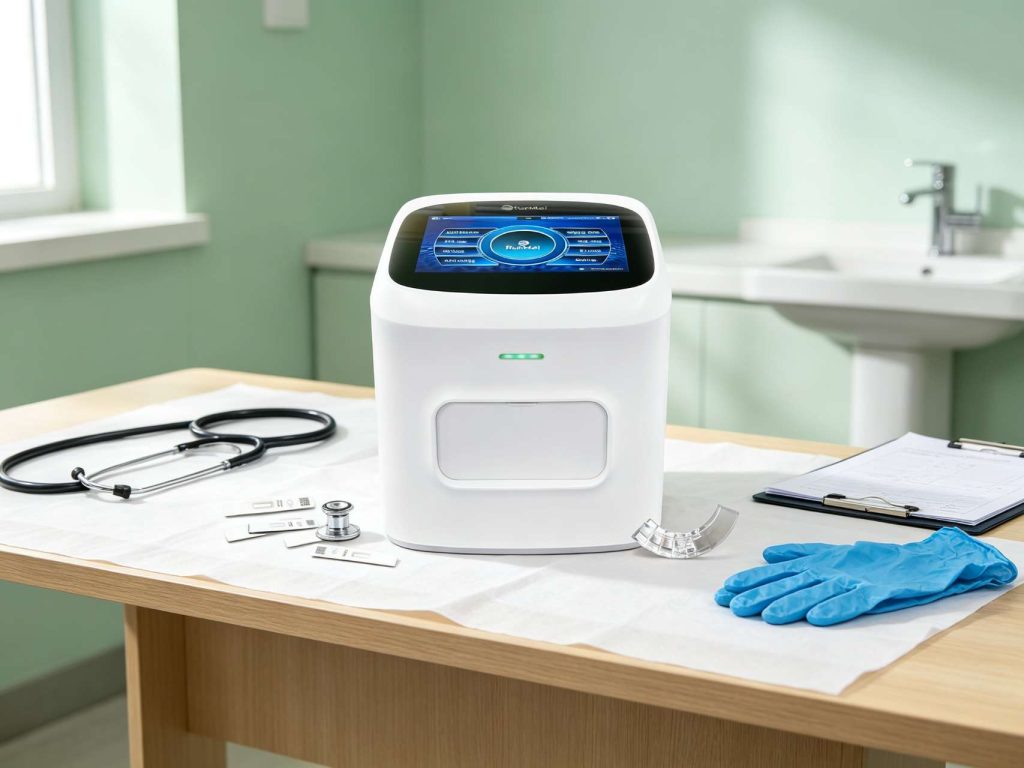
Figure 1: Donor and national funding can place automatic hematology analyzers at the primary-care level.
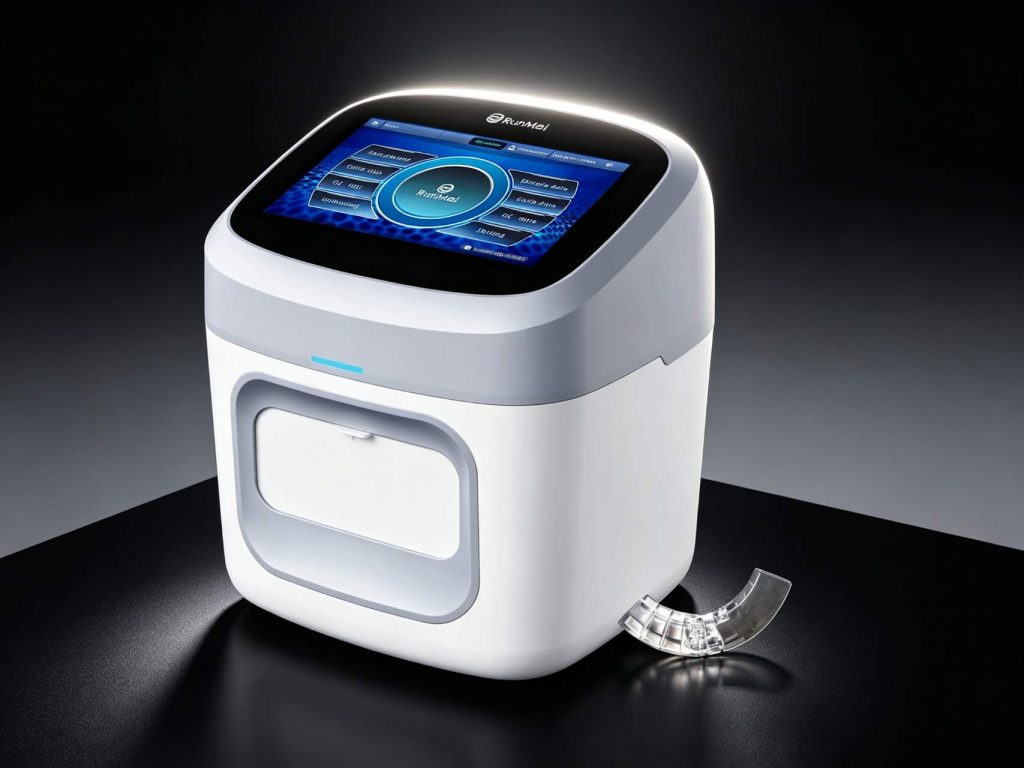
Figure 2: Grant-funded outreach programs use portable blood analyzers to extend testing beyond facilities.
الأسئلة المتداولة
Which funders support rural laboratory equipment?
Global health mechanisms, bilateral agencies, regional pooled-procurement bodies, foundations, and national ministries all fund laboratory strengthening. Disease programs – malaria, HIV, maternal health – are the most common entry points.
How should a clinic request a blood analyzer from a donor?
Frame it as a program, not a purchase: burden data, volumes, per-test economics, training and supply plans, and measurable outcomes. Funders fund measurable systems, not benches.
Is pooled procurement cheaper for analyzers?
Generally yes – bulk purchasing through regional mechanisms lowers unit prices and standardizes service contracts. Facilities should check whether their country or region runs such schemes.
References and Sources
Authoritative sources cited in this article:
- Mordor Intelligence, Malaria Diagnostics Market report (2026): MEA share and donor-funded purchases
- Impact Global Health, “The diagnostics deficit” (2024)
- WHO, Global Anaemia Estimates – who.int/news-room/fact-sheets/detail/anaemia
- Jani IV, Peter TF. How Point-of-Care Testing Could Drive Innovation in Global Health. N Engl J Med 2013;368:2319-2324.
Related RunMei Health resources referenced in this article:
- [L1] blood analyzer product range — https://runmeihealth.com/products/
- [L2] building a national rural diagnostics roadmap — https://runmeihealth.com/the-national-rural-laboratory-roadmap-building-a-point-of-care-diagnostics-program-that-lasts/
- [L3] automatic hematology analyzer — https://runmeihealth.com/product/automatic-hematology-analyzer/
- [L4] why rural health centers are adopting point-of-care analyzers — https://runmeihealth.com/10-reasons-rural-health-centers-are-adopting-point-of-care-analyzers/