Focus keyword: high white blood cell count causes
Here is the moment every practitioner dreads: you hold a CBC report where the WBC column glows bright red, the patient looks fine, and you have exactly ninety seconds to explain it. The reflex is to reach for “infection” — and often you’d be right — but the honest answer is that a raised white blood cell count is a symptom, not a diagnosis, and its cause sits somewhere along a surprisingly wide spectrum. Let’s walk that spectrum in diagnostic order, from the mundane to the serious, so your next flagged result stops causing that stomach drop.
The Physiological and Reactive Causes First
Before chasing pathology, rule out the everyday noise. Vigorous exercise, acute stress and the body’s own catecholamine surge can push white blood cells up transiently by demarginating cells off the vessel walls — real but temporary. Cigarette smoking is a well-documented, chronic elevator of the count, and corticosteroids can lift it within hours. Pregnancy produces a physiological leukocytosis that climbs gently through the trimesters. In each of these, the elevation is usually mild and the differential tells a reassuring, proportionate story. If a 28-year-old with a cold and a WBC of 13,500 returns to normal in a week, you’ve seen the most common scenario in medicine.
Infection, Inflammation and Tissue Injury
When the reactive causes are excluded, infectious and inflammatory drivers dominate. Bacterial infection typically produces a neutrophilic leukocytosis, often with a left shift, while viral illness tends toward lymphocytosis. Autoimmune flares, tissue infarction, trauma and even the healing surgical wound all recruit white cells to the front line. The key discipline here is correlation: a high WBC is far more informative when read alongside neutrophils, lymphocytes and the patient’s fever curve than it is in isolation. WHO and CDC interpretation frameworks consistently counsel this composite reading rather than treating the total count as a standalone signal.
Neoplastic and Hematologic Drivers
The category you must not miss sits further down the list: disorders of the bone marrow itself. Chronic myeloid leukemia, for example, can produce strikingly elevated counts, and some myeloproliferative conditions present first as an unexplained leukocytosis in an otherwise asymptomatic adult. Emerging evidence framed within journals such as The New England Journal of Medicine and Blood underscores how early laboratory detection of an abnormal differential changes surveillance and referral decisions. This is precisely why a suspicious persistent elevation warrants a manual differential or smear review, not just a repeated total count.
Why Your Counting Instrument Shapes Every Answer
Here’s the uncomfortable part — the accuracy of every differential reading above depends on what is actually counting the cells. An impedance-only device can struggle to separate cell classes cleanly, freezing the resolution of your whole diagnostic cascade. Clinicians who are tired of chasing artifacts increasingly turn to technology designed to handle exactly these distinctions, and understanding the reasons your lab should invest in a capable hematology analyzer makes the stakes concrete. A trustworthy CBC result upstream removes an entire class of downstream confusion.
Equipping the Clinic to Answer Fast
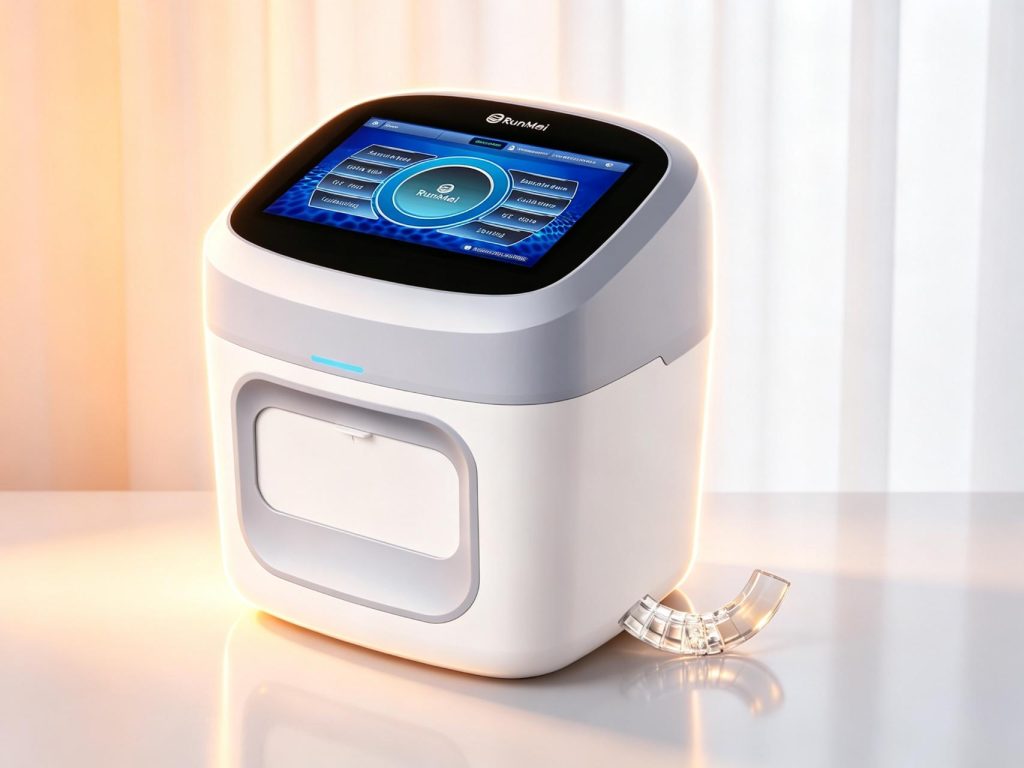
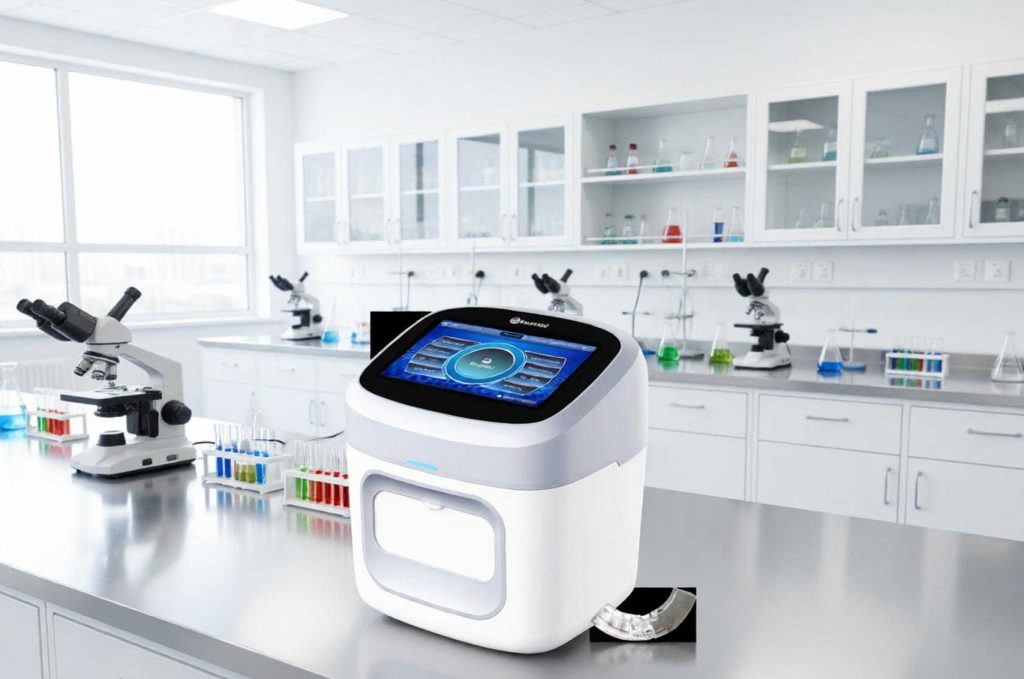
The practical goal is a clean, reproducible, high-resolution result the moment the sample arrives, in time for the same visit. A compact portable multi-function blood analyzer brings full diagnostic power to the bedside and satellite clinics, where a quick, reliable WBC plus differential can separate a viral cold from a bacterial process without a trip to a central lab. Paired with a robust CBC analyzer at the hub, your network can standardize how leukocytosis is investigated.
Removing Reagent Variables From the Equation
One more quiet variable deserves mention: consistency. If your reagents change chemistry mid-batch or require cold-chain handling, your counts drift and your cause-hunting becomes unreliable. Analyzer and reagent designs that shrink or simplify these dependencies stabilize results across shifts, as explored in the honest look at running blood counts without liquid reagents. When every count is trustworthy, you can diagnose the patient — not your equipment.
أسئلة وأجوبة
**Is a high white blood cell count always an infection?**
No. Stress, exercise, smoking, medications, pregnancy and inflammation all raise WBC. Only by pairing the count with the differential and clinical picture can you home in on the cause.
**How high is “too high”?**
Mild elevations (up to roughly 15,000–20,000 µL) are usually reactive; very high or persistently climbing counts, especially with an abnormal differential, warrant prompt hematology review.
**When should a high WBC worry me?**
Warning signs include an unexplained elevation that persists on repeat testing, an associated anemia or low platelet count, weight loss, night sweats, or a left-shifted differential that will not normalize.