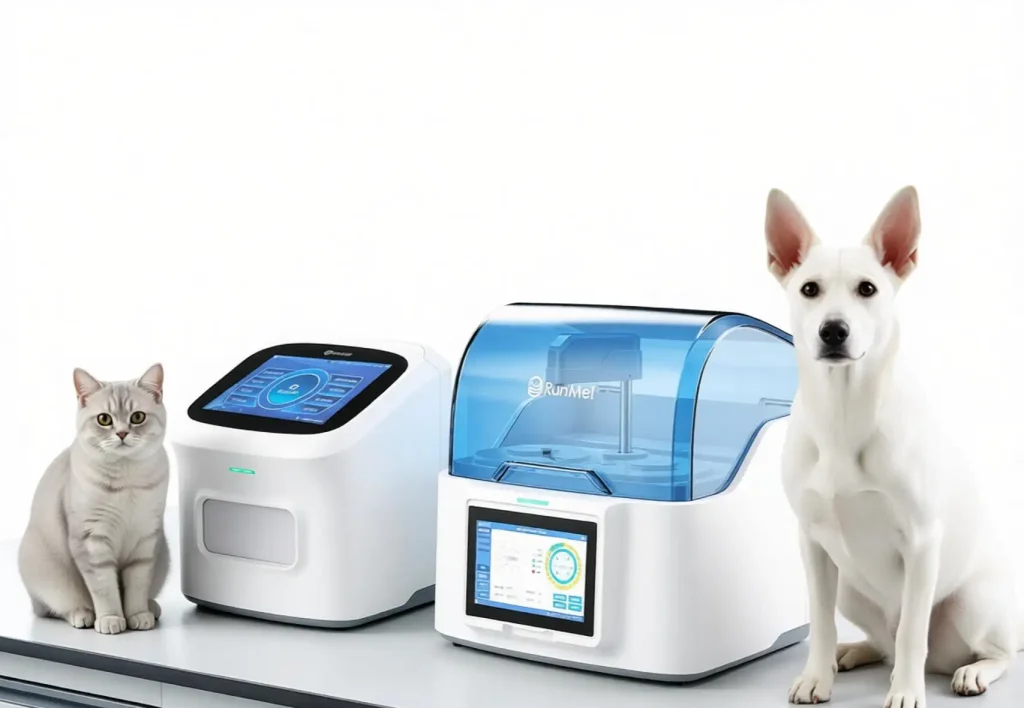
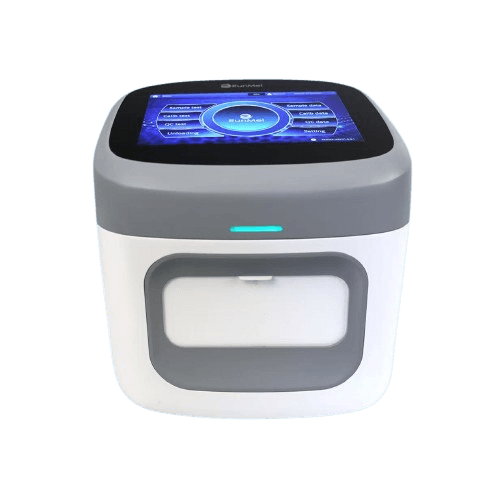
Every missed tuberculosis case is a chain of new infections. The blood count is a cheap, fast first filter that rural clinics already can run.
By Dr. Grace Mwangi, MBChB, MPH (Global Health Program Lead) | Reviewed by Dr. Angela Reyes, MD, MPH (Infectious Disease Physician) | Published 2026-10-15 | Read time: ~7 minutes
After years of running tuberculosis programmes in rural districts, I am convinced of one thing: the cheapest screening tool most clinics already own is the one they do not use. A blood count for tuberculosis screening will not confirm TB, but it will flag the chronically sick, anemic, wasting patient sitting in front of you, and it costs a fraction of a single missed case. The expert answer is blunt: rural case finding fails less for lack of fancy tests than for failing to read the signals a basic CBC already provides.
This article frames the CBC as a budget decision. A sputum test or a molecular assay remains the diagnostic backbone, but the complete blood count is the inexpensive filter that decides who deserves that expensive workup, and it monitors who is already on treatment.
For programme managers, that distinction is where the money is: spend the costly confirmatory test on the right patients, and protect both the budget and the community.
What a Blood Count Adds to TB Case Finding
Tuberculosis is a systemic disease long before it becomes an obvious chest problem. Weight loss, night sweats and persistent cough often arrive with anemia and white-cell changes that a clinic can measure locally.
Anemia as the Silent Marker
Anemia is common in chronic infection, including active TB, and it is highly prevalent in the same rural communities where TB hides. As WHO’s anaemia fact sheet makes clear, anemia is a population-level signal worth acting on. A persistent anemia in a coughing, weight-losing adult raises the priority of TB investigation rather than dismissive reassurance.
White-Cell Patterns and Monitoring
The white-cell count and differential are not diagnostic of TB, but they help. They can point toward superimposed bacterial infection, and they provide a baseline for treatment. Understanding these patterns is the everyday value of differential blood analyzers in a rural chest clinic, which add subtype detail beyond a simple total count.
The Budget Case: A Cheap Filter for an Expensive Disease
Every missed TB case seeds further transmission, and every unmonitored treatment failure invites drug resistance. Against those costs, the CBC is remarkably inexpensive.
Cost Per Case Versus Cost Per Transmission
A single CBC uses a modest reagent cost. The alternative, confirming TB on every coughing patient without a filter, wastes molecular tests and dilutes scarce staff time. Used as a triage step, the CBC concentrates resources on the patients most likely to harbour disease. Programme officers comparing options can ground this in the hematology analyzer buyer’s guide, which lays out total-cost-of-ownership thinking.
A 3-Part Analyzer Is Often Enough
For a TB programme, a full five-part differential is rarely necessary. A simpler 3-part hematology analyzer for rural healthcare provides the hemoglobin, total white-cell and platelet trends that case finding needs, at a lower purchase and running cost. This is the budget-conscious choice: buy exactly the resolution the programme requires.
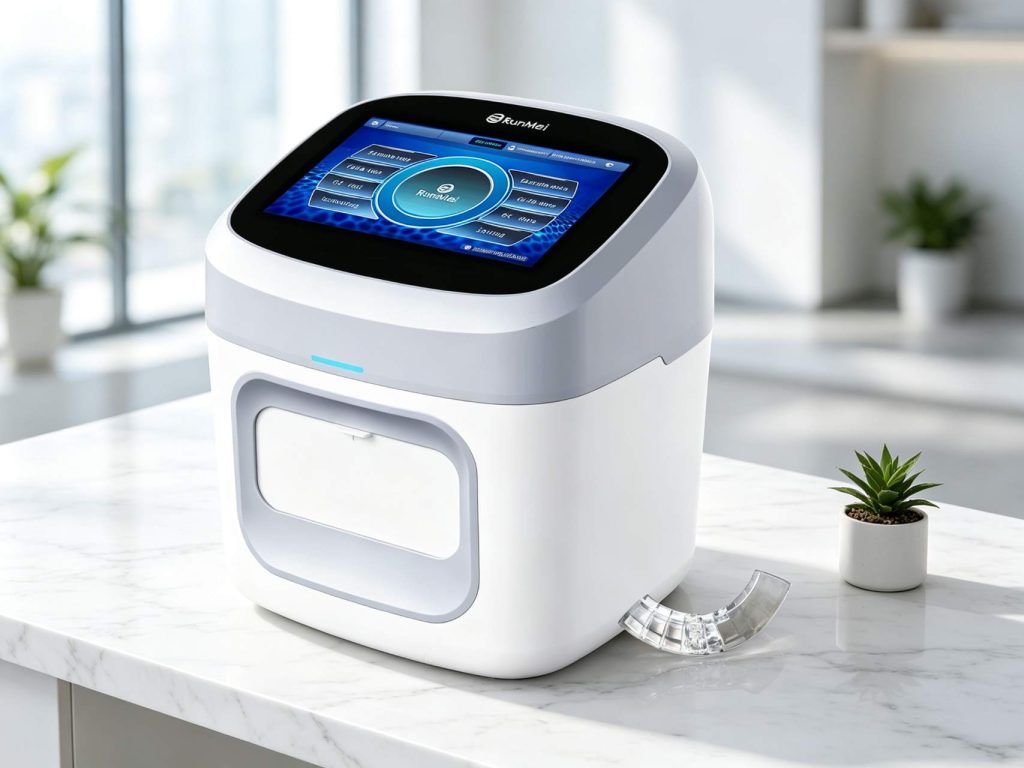
Figure 1: A bench-top analyzer delivers hemoglobin and white-cell trends that help a rural chest clinic triage suspected and confirmed tuberculosis patients.
Image title: Fully automatic hematology analyzer supporting rural TB screening and treatment monitoring | Alt text (web): hematology analyzer for tuberculosis screening and treatment monitoring in a rural clinic
Structured data: ImageObject schema for this image is provided in the Technical SEO & GEO Package below.
Monitoring Treatment: The CBC Keeps Patients Safe
TB drugs can themselves disturb the blood count. A patient already on therapy needs periodic monitoring for anemia and other cytopenias that signal a drug-related complication.
Spotting Toxicity Before Symptoms
Serial CBCs detect a falling hemoglobin or platelet decline before the patient feels it, allowing a regimen review. This is a direct cost saver: managing an adverse reaction late is far more expensive than preventing it. For clinicians deepening the differential, a New England Journal of Medicine review of microcytic anemia illustrates how red-cell indices separate iron deficiency from chronic disease.
The same monitoring logic applies to the wider chronic-disease caseload, which is why hematology analyzers for primary care earn their place in the clinic rather than only in the reference laboratory.
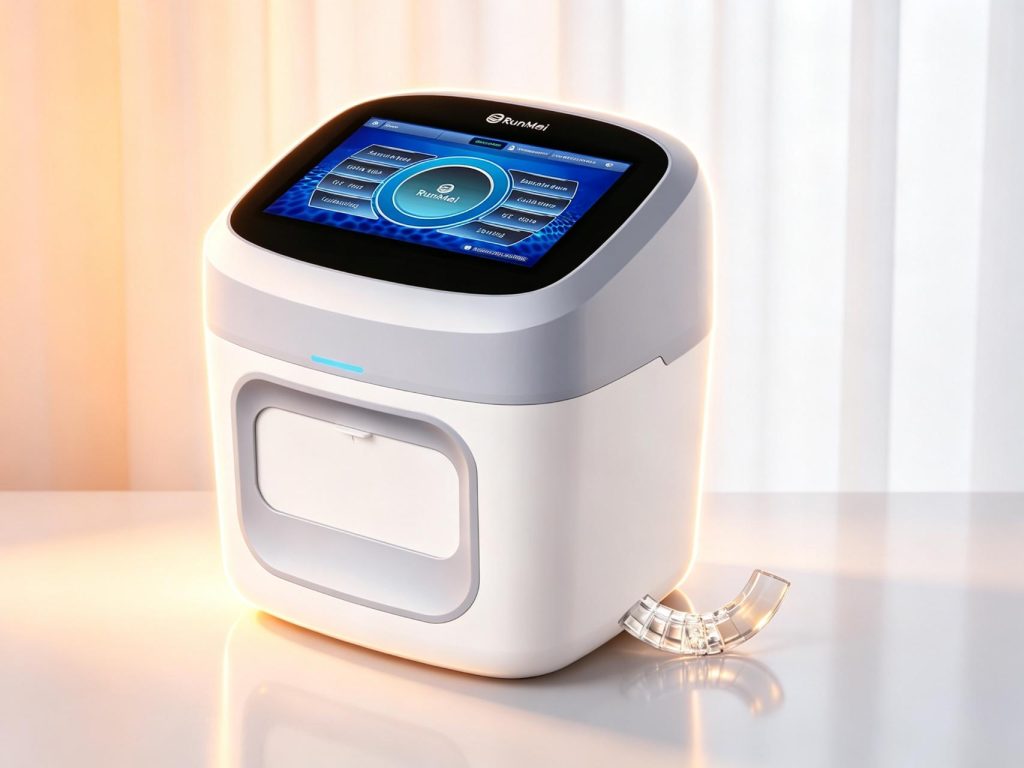
Figure 2: A portable analyzer extends CBC monitoring for chronic and infectious disease patients beyond the clinic to village outreach sessions.
Image title: Portable multi-function analyzer for community-level TB and chronic-disease outreach | Alt text (web): compact hematology analyzer for rural TB case finding and chronic disease monitoring
Structured data: ImageObject schema for this image is provided in the Technical SEO & GEO Package below.
Where It Fits in the Health System
TB case finding succeeds when communities and first-level clinics work as one network. The CBC belongs at that first level because that is where patients first arrive.
First-Level Capacity, Not Hospital Dependency
This is the logic behind the WHO’s overview of primary health care: strong first-level services reduce the burden on hospitals and catch disease earlier. A clinic that can run a CBC is a clinic that can triage the chronically ill and refer with data rather than a vague note.
Regulatory frameworks support lower-resource facilities too; in the United States, simpler tests can run under CLIA waiver, listed in the FDA’s CLIA-waived analytes database, which guides what a rural clinic may legally operate.
A Practical Budget Checklist for Programme Managers
If you are allocating funds for TB-relevant laboratory capacity, prioritize instruments that match the case-finding workload rather than the most advanced model on the market.
Choose a 3-part or basic differential analyzer, budget for reagents and quality control over a full year, plan training for clinic staff, and reserve the high-cost confirmatory test for patients the CBC and symptoms select. Done this way, the blood count becomes the most cost-effective screen in the TB programme.
Remember that the instrument also serves the rest of the chronic-disease caseload: anemic diabetics, kidney-disease patients and people living with HIV all benefit from the same running CBC. Counting those workloads in the business case makes the analyzer easier to justify to funders and easier to keep busy enough to remain cost-effective over its service life.
الأسئلة المتداولة
Can a blood count diagnose tuberculosis?
No. Tuberculosis is diagnosed with sputum testing or molecular assays, not by a CBC alone. The blood count supports case finding by revealing anemia and white-cell changes that raise suspicion in a chronically ill patient, and it monitors patients already on treatment for drug-related blood effects.
Why is anemia relevant to rural TB case finding?
Anemia is common in chronic infection, including active TB, and it is widespread in rural communities. A persistent anemia in a patient with cough, weight loss or night sweats raises the priority of TB investigation, helping clinics decide who needs the confirmatory workup.
How does the CBC help monitor TB treatment?
Some TB medicines can lower hemoglobin, white cells or platelets. Periodic CBCs detect these changes before the patient becomes symptomatic, allowing clinicians to review the regimen and prevent serious adverse reactions.
What level of analyzer does a rural TB programme need?
Most programmes need only a basic 3-part or entry-level differential analyzer that reliably reports hemoglobin, total white-cell count and platelets. A five-part differential is usually unnecessary; buying the simplest instrument that meets the workload reduces both purchase and running costs.
Conclusion
Tuberculosis will continue to hide in the communities that lack the means to look. The blood count will not unmask it alone, but it is the inexpensive, repeatable signal that tells a rural clinic where to look.
For budget-conscious programmes, the CBC is a filter for expensive confirmatory tests and a safety monitor for treatment. It concentrates scarce money on the right patients and protects the many who are simply anemic from the few who are truly sick.
The expert conclusion is simple: spend on the confirmatory test, but do not skip the cheap count that tells you who deserves it.
Disclaimer
This article is provided for general informational and educational purposes only and does not constitute medical advice, diagnosis, or treatment. Laboratory testing must be performed by trained personnel in accordance with applicable regulations, manufacturer instructions and local law. Always consult a qualified healthcare professional for clinical decisions. Product names and capabilities described may vary by market and regulatory clearance. RunMei Health does not warrant that any device is suitable for a specific facility or jurisdiction without professional evaluation.