Meta Description (120–158 chars): Anemia in the elderly is common and often dismissed as aging. Learn how rural clinics use the CBC to find and treat geriatric anemia.
Primary Target Keywords: geriatric anemia rural, elderly blood count, anemia chronic disease elderly, hemoglobin aging
Recommended URL Slug: anemia-rural-elders-geriatric-cbc
Writing Style & Opening Hook
Community-elder narrative opening that follows a village elder through the visit where “just age” is finally tested.
Grandmother Yaa is seventy-one, and she has been “getting old” for two years: slower on the path to the well, breathless on the hill, sleeping after lunch, and no longer interested in the things that used to hold her — the grandchildren, the market, the church choir. Her family says it is age. She says it is age. The clinic, when she finally comes, has a new habit: it asks the question age cannot answer. The fingerstick takes a minute, and the count shows hemoglobin 9.4 g/dL with iron-deficiency indices, alongside a raised white count that prompts a urine check. Two months later, after iron, deworming, and treatment of a silent urinary infection, Grandmother Yaa is on the path to the well again. Nothing about her was “just age.” The blood had the answer all along — and the clinic finally asked.
Why Geriatric Anemia Is a Rural Priority
The Prevalence That Is Dismissed
Anemia is among the most common conditions of old age, with prevalence rising steadily past sixty — and in rural settings, where access to testing is weakest and nutritional and infectious causes concentrate, the burden is highest. The World Health Organization documents anemia as a major global health problem across all age groups, and in the elderly it is routinely misattributed to aging itself: the fatigue, weakness, and falls are written off as “old age” while a treatable condition goes unmeasured.
The Consequences Are Not Trivial
Geriatric anemia is associated with weakness, falls, cognitive decline, worsening heart failure, and higher mortality. The falls are the sharp end: an anemic elder who falls and fractures occupies the district hospital bed, the ambulance, and the surgical theatre — outcomes that a hemoglobin test and iron therapy might have prevented. The blood count is geriatric prevention, not geriatric paperwork.
The Causes Are Multiple and Treatable
The geriatric differential is a checklist: iron deficiency (blood loss, diet), anemia of chronic disease (inflammation, kidney disease — both common in elders), B12 and folate deficiency (absorption, diet), and the myelodysplastic and hematologic conditions that appear with age. The CBC with indices sorts the first three at the clinic; the persistence flags the fourth for referral. Every item on the checklist is either treatable at the clinic or identifiable for referral.
The Geriatric Workup
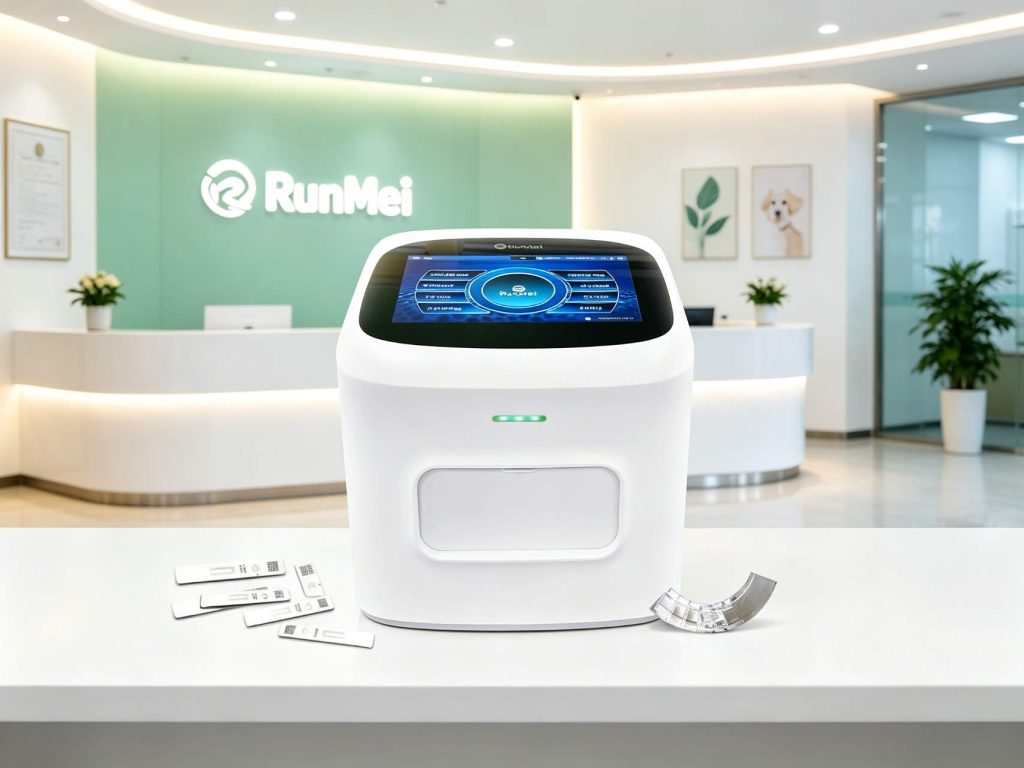
Image 1: A fully automatic hematology analyzer performing geriatric anemia screening at a rural clinic’s elderly care review.
Test the Full Count at the Right Moments
Add the CBC to the geriatric review: at the annual visit, at any presentation with fatigue, falls, dyspnea, or cognitive change, and before any planned procedure. The automatic hematology analyzer reports hemoglobin, indices, white cells, and platelets in one run, so the geriatric assessment is complete in a single visit — essential for patients for whom every journey is a cost.
Read the Pattern With the Geriatric Differential
Microcytic indices point to iron deficiency and its causes — the gastrointestinal and menstrual questions, the deworming, the dietary review. Normocytic indices with a normal RDW in an elder with chronic disease point to anemia of chronic disease and its drivers — kidney function, inflammation — which the clinic can screen and the referral center can manage. Macrocytic indices raise B12 and folate deficiency, with its neurologic consequences, treatable and preventable.
The Repeat Count Is Non-Negotiable
Geriatric anemia treatment is monitored, not assumed: the four-to-six-week repeat confirms the response to iron or B12, and the non-responder — common in the elderly — moves to the investigation pathway rather than another month of the same prescription. The portable multi-function analyzer enables the same monitoring in home visits and community elder programs, where the frailest patients are.
Building the Geriatric Care Integration
Make the Count Part of the Elder Package
The geriatric service — chronic disease review, medications, falls assessment — should include the blood count as a standing element, alongside glucose and blood pressure. The one-visit model matters doubly for elders: every additional journey is a barrier, so the tests must arrive together.
Connect to the Chronic Disease Clinics
Most rural elders are already in a chronic disease clinic for hypertension or diabetes. Add the hemoglobin to that visit, and the geriatric anemia surveillance is built into the existing service rather than bolted on. The complete guide to modern hematology analyzers supports facilities planning this integrated model.
Refer With the Trend
The referral for the persistent or unexplained geriatric anemia carries the serial counts and the indices — the trend, the response, and the differential. The receiving physician needs the trajectory, and the clinic that has recorded it has done the hardest part of the workup already.
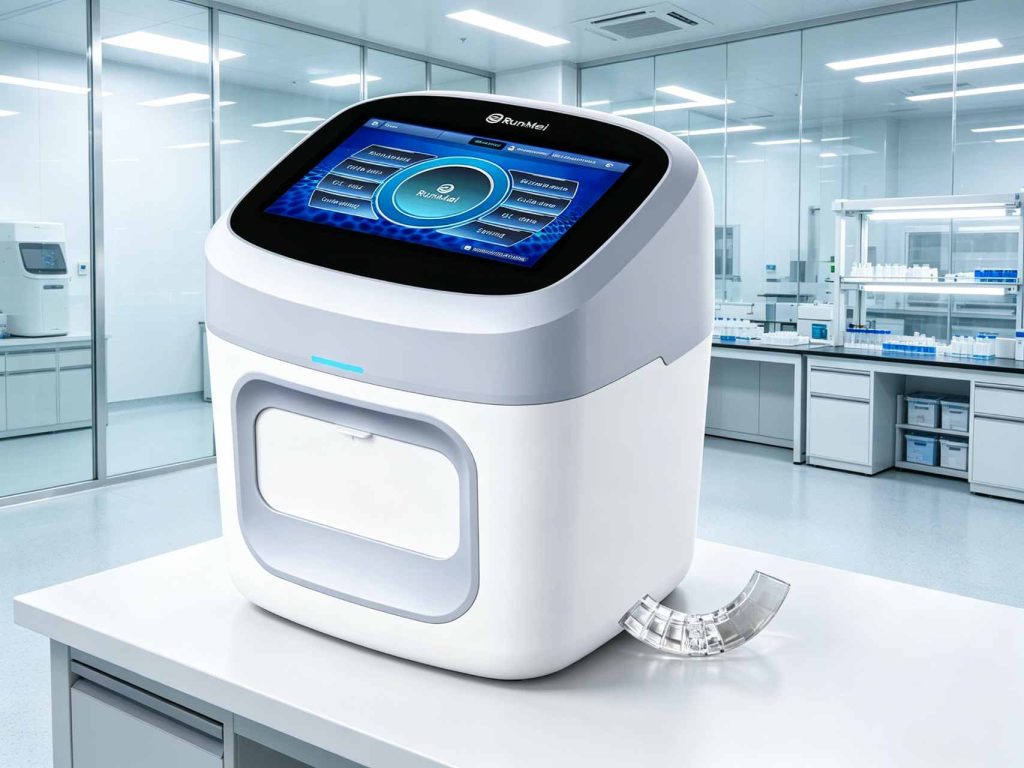
Image 2: A compact portable blood analyzer supporting hemoglobin monitoring during home visits to frail elders in rural communities.
الأسئلة المتداولة
What Hemoglobin Level Is “Normal” in an Elder?
Reference ranges for the elderly are debated, and the trend matters more than the threshold: a hemoglobin that has fallen from 13 to 10 g/dL over two years is a clinical event whatever the “normal” range says. The clinic that records serial values catches the event; the clinic that tests once does not.
Can Geriatric Anemia Be Treated in the Rural Clinic?
Mostly yes: iron and B12/folate replacement, deworming, and treatment of underlying infection are all primary care interventions, monitored with the repeat count. The referral is reserved for the non-responder and the suspected hematologic disease — a small, well-defined minority.
How Do We Overcome “It’s Just Old Age”?
By measuring instead of agreeing. When the family and the patient say “old age,” the clinic says “let’s ask the blood” — and the count either confirms health or finds the treatable condition. The test costs minutes; the alternative costs years of avoidable decline.
Is the CBC Enough for the Older Patient, or Do We Need More?
The CBC is the first test, not the last: it sorts the differential and directs the next steps — the iron studies for the microcytic pattern, the renal and inflammatory markers for the normocytic pattern, the B12 and folate for the macrocytic pattern. The clinic that runs the count is the clinic that knows which follow-up to order, and the count is what makes the follow-up rational instead of random.
What About the Elder Who Cannot Come to the Clinic?
The same monitoring goes to the elder: the portable analyzer class supports home visits and community elder programs, so the frailty that prevents the journey no longer prevents the test. The portable multi-function analyzer turns the home visit into a laboratory visit.
على diagnostic instrument portfolio provides the closest practical detail for the workflows described in this article. Verify specifications, certifications, and availability with the manufacturer before purchase.
About the Author
Prepared by the RunMei Health clinical diagnostics team, manufacturer of automatic and portable blood analyzers supporting geriatric and chronic care in more than 60 countries. Content is reviewed against WHO guidance and international device standards.
References
– World Health Organization. Anaemia fact sheet. who.int
– RunMei Health. Complete Guide to Modern Hematology Analyzers. runmeihealth.com
Disclaimer
This article is provided for general informational and marketing purposes only and does not constitute medical advice, clinical guidance, or a diagnostic recommendation. Laboratory test results must always be interpreted by qualified health-care professionals in the context of the individual patient. Mention of regulatory frameworks (FDA, CE, WHO) refers to applicable device standards and does not imply specific product approval in any jurisdiction. Product references are illustrative; verify specifications, certifications, and availability with the manufacturer before purchase or use.