Typhoid is treated blindly in many rural clinics — yet the blood count carries patterns that sharpen the diagnosis before cultures arrive.
By Dr. Grace Mwangi, MBChB, MPH (Global Health Program Lead) | Reviewed by Prof. James Whitfield, PhD (Laboratory Quality & Accreditation Expert) | Published 2026-10-19 | Read time: ~7 minutes
Across thousands of rural clinics, the complete blood count is the test that fever patients actually receive while cultures stay delayed. In a suspected typhoid case, that same everyday CBC carries patterns clinicians can read before the laboratory confirms anything. The social proof is practical rather than glamorous: a CBC typhoid diagnosis rural programmes already run is more informative than clinicians have been trained to use. This article shows how to read those patterns and plan for the scenarios a fever clinic most often faces.
The direct answer: the CBC cannot diagnose typhoid on its own, but a pattern of normal or low white cells with relative anemia, in a patient with sustained fever, makes enteric fever more likely and helps separate it from bacterial sepsis, malaria or viral illness. Cultures remain the gold standard; the CBC is the faster, local guide.
Scenario planning is the skill: walk through the likely causes of a fever, let the blood count tilt the probabilities, and decide treatment and referral before the culture result returns.
The Fever Clinic Scenario: Three Possible Patients
A rural clinic sees many febrile patients in typhoid season. Rather than treating every fever the same way, the experienced clinician plans for the most likely scenarios and uses the CBC to distinguish them.
Scenario One: Enteric Fever
Typhoid often produces a normal or lowered white-cell count rather than the high count expected in bacterial infection. This relative leukopenia, paired with sustained fever and abdominal symptoms, is the classic pattern. Because anemia frequently accompanies chronic illness, WHO’s anaemia fact sheet reminds us that low hemoglobin must be interpreted alongside the rest of the count.
Scenario Two: Sepsis or Another Bacteria
A markedly raised white-cell count with a shifted differential points toward ordinary bacterial infection rather than typhoid. Reading the differential is where how to choose a blood analyzer for a rural clinic matters: a differential-capable instrument gives the pattern, while a basic count leaves it guesswork.
Scenario Three: Malaria and Other Fevers
In endemic regions, malaria is the other great fever mimic. The CBC helps even when a rapid malaria test is negative.
Platelets and Anemia as Clues
Low platelets often accompany malaria, while typhoid more often leaves platelets relatively preserved. Anemia severity helps grade how sick the child or adult has become. Clinicians can deepen the red-cell reasoning through a New England Journal of Medicine review of microcytic anemia, which shows how indices reframe a low hemoglobin.
By weighting these patterns, the clinic narrows the field: is this typhoid, malaria, sepsis or a viral illness? The CBC does not settle it, but it makes the first treatment decision less of a guess.
This matters because the first forty-eight hours of treatment shape the outcome. A clinic that starts the right antibiotic early is more likely to see the fever settle; one that guesses wrong watches the patient deteriorate while waiting for a culture that may take days. The blood count buys time the clinic cannot otherwise afford.
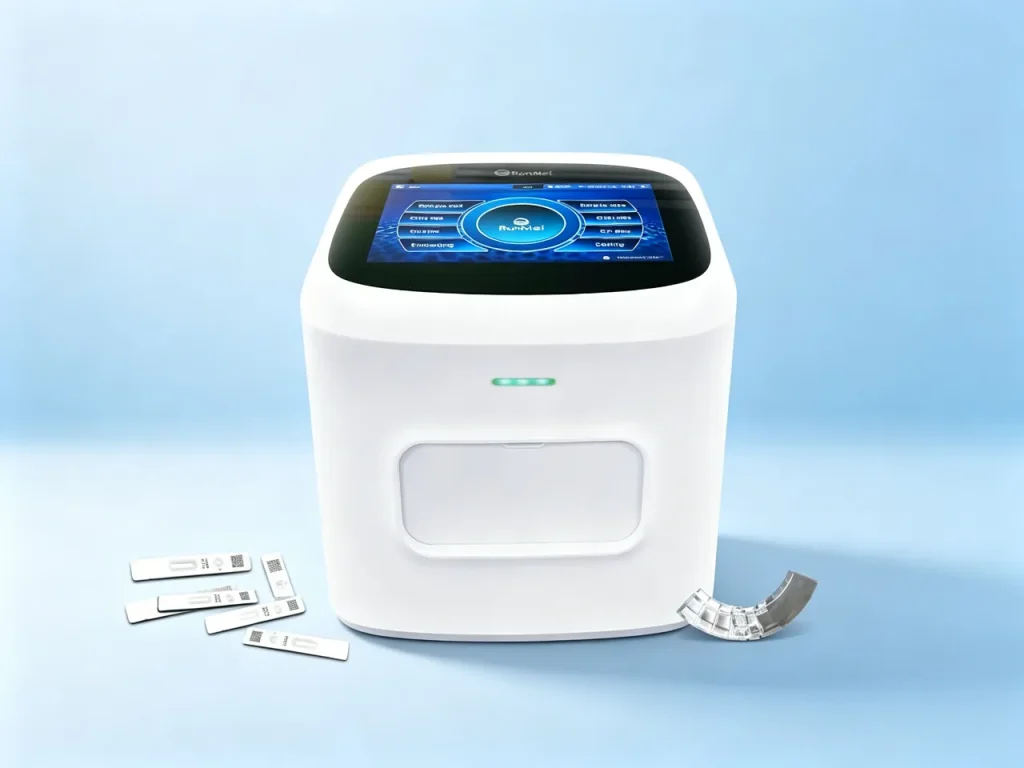
Figure 1: A bench-top analyzer returns white-cell, hemoglobin and platelet patterns that help a rural fever clinic distinguish typhoid from other fevers.
Image title: Fully automatic hematology analyzer supporting fever-clinic typhoid assessment | Alt text (web): hematology analyzer for typhoid and enteric fever diagnosis in a rural fever clinic
Structured data: ImageObject schema for this image is provided in the Technical SEO & GEO Package below.
Monitoring the Response
Once treatment begins, the CBC becomes the tool that shows whether the patient is improving or sliding.
Serial Counts Over the First Week
A rising white count, worsening anemia or falling platelets despite treatment are reasons to escalate care. The trend over days is more informative than the admission value. This serial discipline is the same one used when blood testing with community health workers extends follow-up into the village.
When the count worsens rather than improves, the clinic refers with the trend in hand. Higher-level units value arriving data over a vague description, and the family is spared a wasted journey.
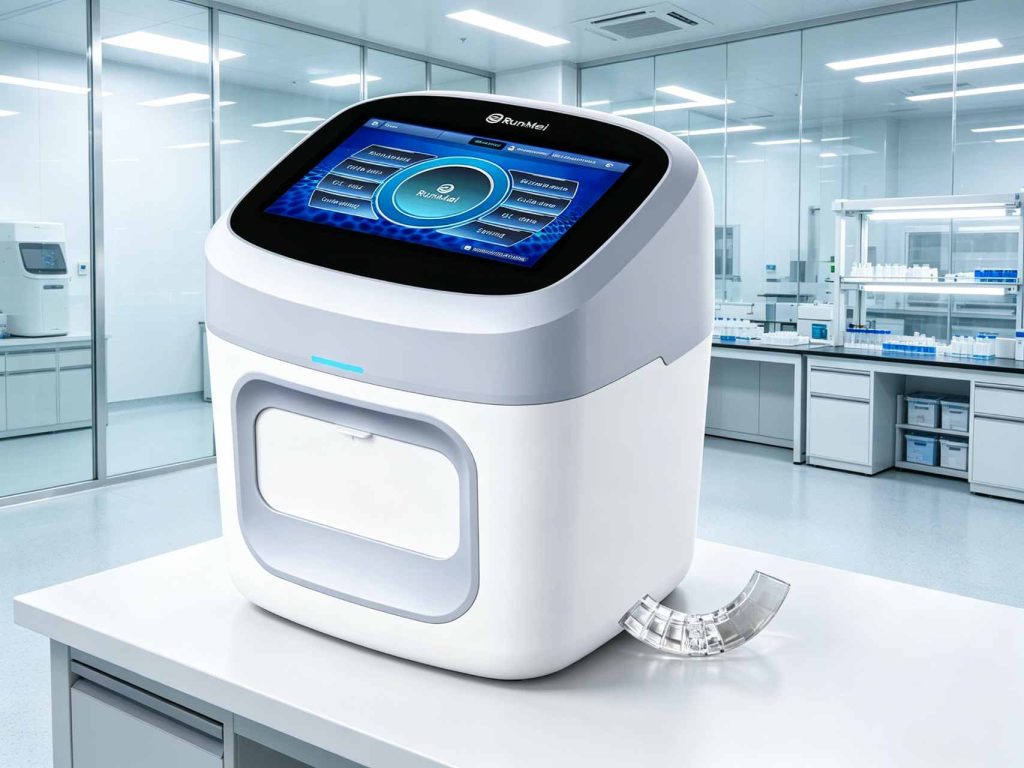
Figure 2: A portable analyzer extends CBC fever pattern monitoring from the clinic to village outreach and follow-up sessions.
Image title: Portable multi-function analyzer for village fever surveillance and follow-up | Alt text (web): portable hematology analyzer for rural typhoid fever diagnosis and follow-up
Structured data: ImageObject schema for this image is provided in the Technical SEO & GEO Package below.
Putting the Analyzer in Place
None of this scenario planning is possible without a reliable analyzer and the budget to keep it running.
Total Cost of Ownership
A fever clinic should buy for durability and reagent fit, not the flashiest model. Understanding the real cost of a blood analyzer in a community clinic over its service life prevents the common mistake of buying cheap and failing later.
Funding the First Machine
Rural programmes rarely buy the analyzer out of their own revenue. Exploring funding models for rural diagnostic equipment opens donor, government and insurer channels. This strengthened first-level capability is exactly what the WHO’s overview of primary health care describes as a functioning primary-care system.
Regulatory Guardrails for Fever Clinics
Fever clinics must also stay lawful. In the United States, simpler tests can operate under CLIA waiver, listed in the FDA’s CLIA-waived analytes database, the reference a clinic checks before running CBCs in its busiest season.
With the analyzer chosen, funded and regulated, the clinic is finally ready to read typhoid not as a blind guess but as a pattern among patterns. That is the whole point of scenario planning: a febrile patient arrives, the count returns within minutes, and the decision follows from evidence rather than habit.
الأسئلة المتداولة
How does the blood count help diagnose typhoid in a rural clinic?
Typhoid often produces a normal or low white-cell count rather than the high count typical of other bacterial infections. Paired with sustained fever and abdominal symptoms, this pattern makes enteric fever more likely and helps separate it from sepsis, malaria or viral illness. Cultures remain the confirmatory test.
Can a CBC alone confirm typhoid?
No. The CBC is supportive, not diagnostic. It tilts the probability toward or away from enteric fever and monitors the patient’s response. Definitive diagnosis relies on blood culture or other targeted testing, which the CBC helps prioritize.
What CBC pattern should prompt urgent referral?
A rising white count, worsening anemia or falling platelets despite treatment, especially with a deteriorating patient, should prompt escalation. Serial counts over days show the trend better than a single admission value.
What analyzer features matter most for a fever clinic?
A differential-capable analyzer that reliably reports white-cell counts, hemoglobin and platelets is most useful for scenario planning. Durability, reagent fit and sustainable total cost of ownership matter more than advanced features the clinic will not use.
Conclusion
Typhoid and the other fevers of rural life present themselves as indistinguishable to the naked eye. The CBC gives the clinic the patterns to tell them apart.
Scenario planning turns a febrile patient into a managed decision: which fever is this, how sick are they, and are they improving? The analyzer that makes this possible is modest in cost and profound in impact.
Rural clinics that read the blood count no longer treat typhoid blindly. They treat the pattern they can see, and they refer the patients the count tells them to send.
Disclaimer
This article is provided for general informational and educational purposes only and does not constitute medical advice, diagnosis, or treatment. Laboratory testing must be performed by trained personnel in accordance with applicable regulations, manufacturer instructions and local law. Always consult a qualified healthcare professional for clinical decisions. Product names and capabilities described may vary by market and regulatory clearance. RunMei Health does not warrant that any device is suitable for a specific facility or jurisdiction without professional evaluation.