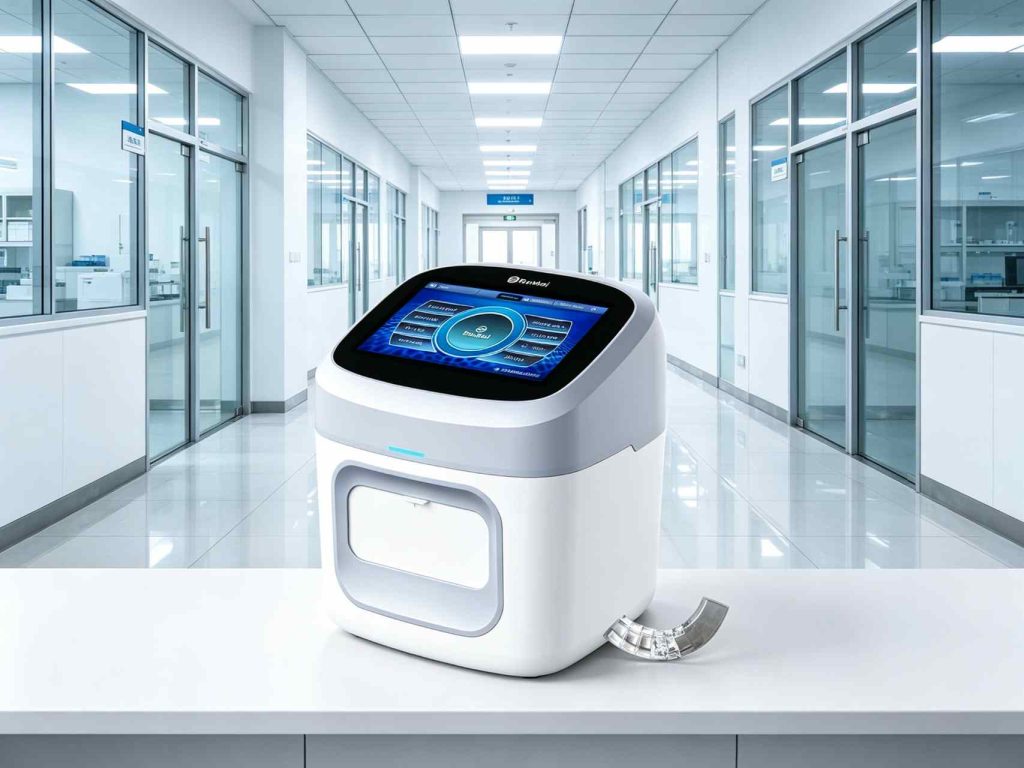
Sepsis kills by the hour. A community hospital with an analyzer can put a blood count in the clinician’s hands within minutes of the patient’s arrival.
By Dr. Emily Hartley, MD, MPH (Rural Family Physician & Public Health Researcher) | Reviewed by Dr. Carlos Mendes, MD (Public Health Systems Specialist) | Published 2026-10-19 | Read time: ~7 minutes
Here is a little-known truth about sepsis: the fastest early warning in a busy emergency department is usually not an expensive scan, but a blood count already running on a bench-top machine. Sepsis screening with a CBC in a community hospital works because the body’s response to infection changes the white-cell count and differential within the first hours, long before a patient looks obviously doomed. The executive summary is blunt: the community hospital that puts a CBC in the clinician’s hands within minutes of arrival is the hospital that starts antibiotics early enough to matter.
This briefing is for hospital leaders. It explains what the CBC contributes to sepsis recognition, why speed is the whole game, and what a community hospital must put in place to run it. The bottom line up front: a rapid CBC is a low-cost, high-impact sepsis tool that most rural hospitals already can operate.
Sepsis kills by the hour. The community hospital is often the first line of defence, and the blood count is its earliest signal.
Why the CBC Is a Sepsis Early-Warning Tool
Sepsis is the body’s exaggerated response to infection, and it escalates fast. The white-cell count and differential are among the first things to move: very high or very low white cells, and a shifted population, all flag danger.
The Count That Moves First
A high neutrophil count suggests acute bacterial infection; an unexpectedly low white-cell count can signal a severe, overwhelmed state. Platelets also matter, because a falling count accompanies worsening sepsis. These changes appear within hours of arrival, which is why the emergency team wants them immediately. This is the logic behind early detection of infectious disease with CBC testing in rural areas.
In sepsis, the clock starts before the patient looks sick. The blood count reads that clock.
Speed Is the Whole Game
Every hour of delay in recognizing sepsis narrows the patient’s odds. A CBC that takes hours to return from a reference laboratory is a CBC that has arrived too late.
On-Arrival Results
A community hospital with an on-site analyzer puts the count in the clinician’s hands within minutes of the patient’s arrival. That speed is what converts a vague fever into an early sepsis protocol. This is precisely the problem with why rural blood samples often never reach the lab: when the sample must travel, the result is obsolete by the time it returns.
The same rapid testing protects the most vulnerable patients. Blood analyzers in maternal and child health programmes rely on fast counts to detect postpartum and neonatal sepsis, where delay is most dangerous.
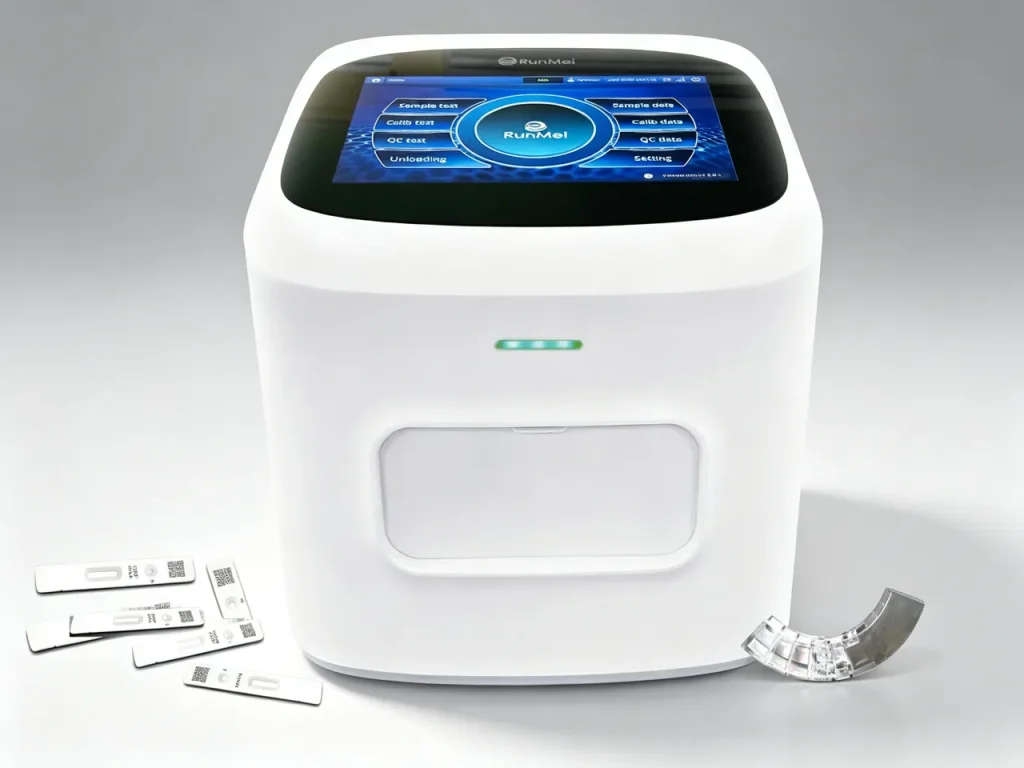
Figure 1: A bench-top analyzer returns white-cell, differential and platelet counts within minutes, supporting early sepsis recognition at a community hospital.
Image title: Fully automatic hematology analyzer running an on-arrival CBC in a community hospital emergency department | Alt text (web): hematology analyzer for sepsis screening in a community hospital emergency department
Structured data: ImageObject schema for this image is provided in the Technical SEO & GEO Package below.
What the Community Hospital Must Put in Place
A sepsis programme is only as good as the workflow behind it. Leaders should treat the analyzer as part of a system, not a piece of furniture.
A Written Sepsis Trigger
Define the counts that trigger urgent review: abnormal white cells, a shifted differential, or falling platelets, combined with clinical suspicion. Agree these thresholds with the clinical team and post them in the emergency department. The CBC is the trigger; the protocol is the response.
Reliability and Quality Control
A sepsis tool must be ready at two in the morning. Daily quality control, reagent stock and a maintenance plan are non-negotiable. This is the durable, first-level capability that lets community hospitals anchor the response to serious illness rather than wait for it to escalate.
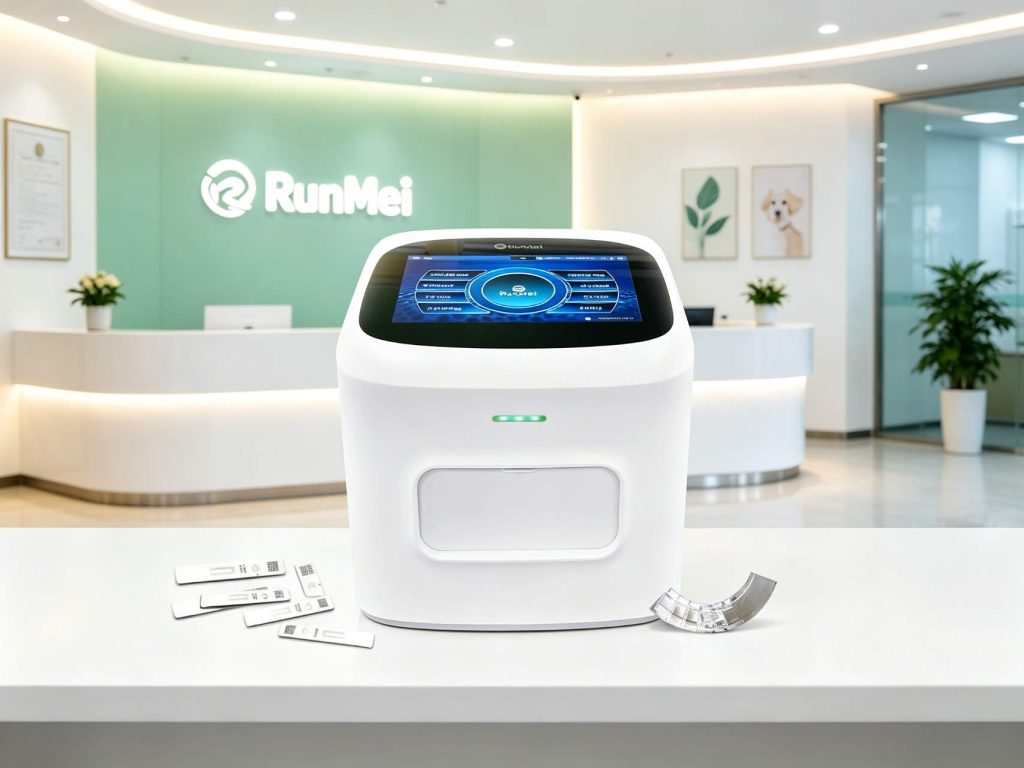
Figure 2: A portable analyzer extends rapid CBC sepsis triage to rural emergency and outreach settings where a full laboratory is unavailable.
Image title: Portable multi-function analyzer for rapid emergency and outreach sepsis assessment | Alt text (web): portable hematology analyzer for rapid sepsis screening in rural community hospitals
Structured data: ImageObject schema for this image is provided in the Technical SEO & GEO Package below.
The Evidence and Regulatory Backing
Rapid hematology is well established as part of acute-care assessment, and basic CBC belongs at first-level and community settings.
Standards and Standing
The WHO essential diagnostics list, summarized in the WHO Model List of Essential In Vitro Diagnostics, places basic hematology at the front line. Clinicians interpreting anemia alongside sepsis can draw on a New England Journal of Medicine review of microcytic anemia, while WHO’s anaemia fact sheet frames the chronic background against which acute sepsis often strikes.
In the United States, simpler tests can operate under CLIA waiver, listed in the FDA’s CLIA-waived analytes database, which supports community-hospital operation of routine CBCs. The analyzer also serves routine work such as thalassemia monitoring with blood analyzers, so the sepsis investment pays back all year.
The Decision for Leadership
For a community hospital leader, the choice is not whether a CBC is useful. It already is. The choice is whether sepsis recognition waits for a sample to travel.
Hospitals that have made this change report that the emergency team trusts the count, because it returns fast and reliably. Once the analyzer is embedded in the arrival workflow, clinicians no longer think of it as an extra test; it becomes the first thing they order, and the first thing that tells them how worried they should be.
The on-site analyzer, the written trigger, the reliable machine and the trained team together create an early-warning system. Patients arrive, the count returns in minutes, and sepsis is caught in the window where treatment still works. That is the decision every community hospital can make today.
الأسئلة المتداولة
How does a CBC help screen for sepsis in a community hospital?
Sepsis changes the white-cell count and differential within hours: very high or very low white cells, a shifted neutrophil population, or falling platelets. A rapid on-site CBC flags these changes early, supporting prompt recognition and timely antibiotics.
Why does speed matter so much for sepsis?
Sepsis escalates rapidly, and early treatment improves survival. A CBC that must be sent to a distant laboratory returns too late to guide early care. On-site results within minutes allow clinicians to start the sepsis protocol while treatment still works.
What should trigger urgent review in a community hospital?
A written protocol should define abnormal white-cell counts, a shifted differential, falling platelets or severe anemia combined with clinical suspicion. These triggers prompt urgent review, blood cultures and early treatment rather than observation.
Can a community hospital reliably run sepsis CBCs around the clock?
Yes, provided the analyzer is backed by daily quality control, reagent stock and a maintenance plan. A machine that is ready at two in the morning is the requirement; that depends on organization and training, not on a larger laboratory.
Conclusion
Sepsis is the emergency that punishes delay, and the community hospital is where most patients first face it. The CBC is the earliest, fastest signal available.
On-site, rapid blood counts turn a vague fever into an early sepsis protocol. They start treatment in the window that matters, and they protect mothers, children and the elderly in equal measure.
For community hospital leaders, the little-known truth is also an opportunity: the early-warning system for sepsis already fits on a bench-top analyzer, and it can be operating the day it is installed.
Disclaimer
This article is provided for general informational and educational purposes only and does not constitute medical advice, diagnosis, or treatment. Laboratory testing must be performed by trained personnel in accordance with applicable regulations, manufacturer instructions and local law. Always consult a qualified healthcare professional for clinical decisions. Product names and capabilities described may vary by market and regulatory clearance. RunMei Health does not warrant that any device is suitable for a specific facility or jurisdiction without professional evaluation.