Meta Title: Blood Count for TB Screening Clues in Rural Clinics | RunMei
Meta Description: Tuberculosis and the blood count in rural clinics. Screening clues, treatment monitoring and the role of the local analyzer.
URL: https://runmeihealth.com/blood-count-tuberculosis-screening
By Dr. Elena Marchetti · MD, MPH, Rural Health Diagnostics | Reviewed by Prof. Daniel Mwangi (PhD, MSc, Laboratory Systems Advisor) | Published: 2026-10-06
The cough has followed the patient for three months, the way a quiet shadow follows a walker. The result is what the patient, the clinician and the budget all wait for. The sputum smear is negative and the chest film is not available. Tuberculosis has a habit of hiding in exactly these patients, and the blood count is one of the few clues the rural clinic can lay hands on today. The 3-part vs 5-part blood analyzer catalog covers the instruments rural programs order most often.
Few purchases in rural health care invite as many opinions as blood count. This article sets the opinions aside and works from what the data, the protocols and the field experience actually show about Rural Clinics. WHO data show tuberculosis remains one of the deadliest infectious diseases, with more than 10 million new cases each year and the heaviest burden in low- and middle-income countries. What survives is a short set of principles that hold across budgets and geographies. WHO . Facilities weighing the options can browse the open channel CBC analyzer range to compare configurations side by side.
Key Takeaways
- The CBC provides supportive clues in TB suspects when confirmatory tests are far away.
- Anemia with chronic infection is a common companion of active tuberculosis.
- Serial counts follow treatment response and flag side effects.
- The blood count never replaces sputum testing; it guides who needs it.
What the Count Says in the TB Suspect
Active tuberculosis writes itself into the blood: a mild anemia of chronic disease, a monocyte count that tends upward, and a lymphocyte pattern that shifts with the illness. None of these is diagnostic, and the count must never be asked to carry the diagnosis alone. But in the patient with the chronic cough, the weight loss and a negative smear, the pattern is one more thread pulling toward the tuberculosis service.
The count’s real job in the suspect is triage. The patient with the suggestive history and the suggestive count is the patient who needs the confirmatory test pursued aggressively; the patient with an entirely unremarkable count is not excluded, but the priority ordering changes.
the blood count is the seed; the program is the tree. Training, supervision, registers, quality checks and a supply line that outlasts the donor — these are what turn a machine into a service that keeps running. Programs that design for sustainability from the first installation meeting are the ones still running at the five-year review. WHO . Programs that want a deeper differential can read the hospital biochemical analyzer page for the trade-offs.
The Chronic Cough Consultation
Every chronic cough consultation is a TB screening opportunity, and the count is free screening infrastructure. The clinician who pairs the history with a blood count is using the one laboratory signal the local clinic can produce on the spot.

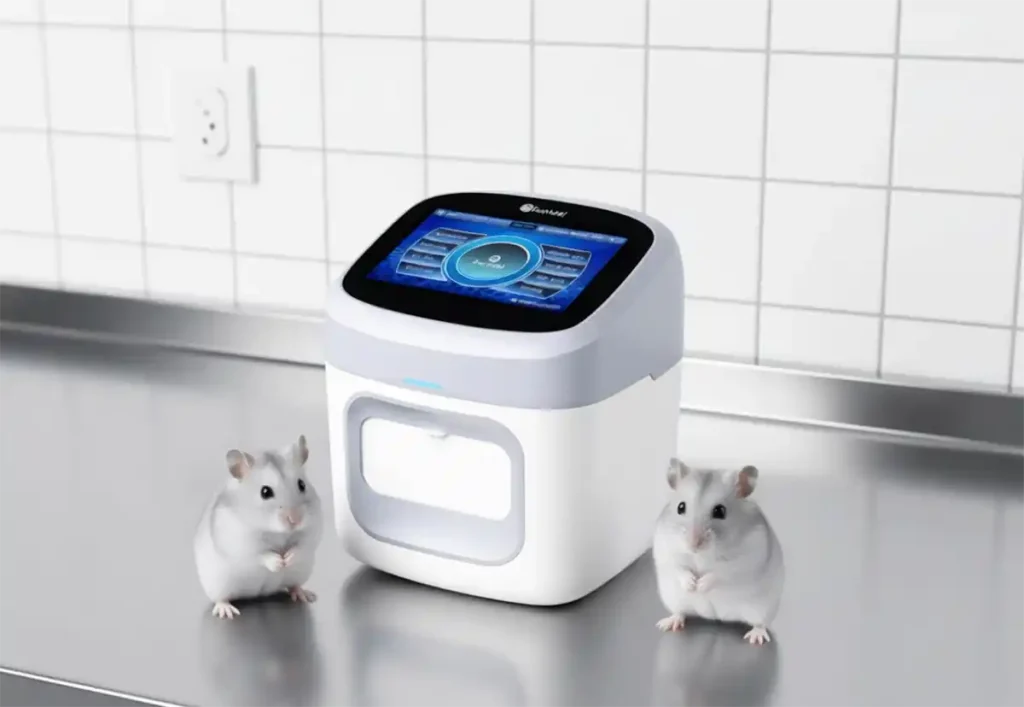
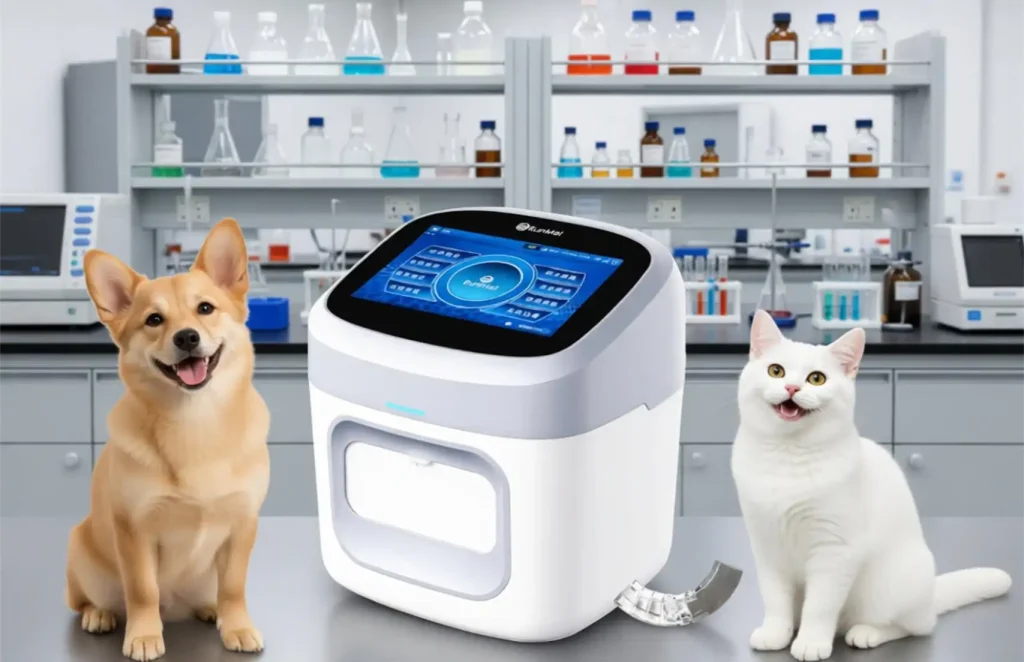
Fig. 1 — RunMei mobile blood analyzer in a rural clinic setting. Blood count tb screening clues rural clinic analyzer. | Alt: blood count TB screening clues rural clinic analyzer
Monitoring the Patient on Treatment
Once the diagnosis is made and treatment starts, the blood count earns its keep in follow-up. The anemia of active disease should improve as the bacillary load falls; failure to improve raises questions about adherence, resistance or a second process. The count also watches the treatment’s side effects, including marrow effects that occasionally complicate the drug regimen.
The rural clinic is the natural home of this monitoring, because the patient lives nearby and the treatment lasts six months or more. The scheduled count at each refill visit keeps the treatment under observation without adding journeys.
None of this happens without people. The clinic that treats the blood count as a machine buys a machine; the clinic that treats it as a skill builds a capability. Operators need a hands-on competency pathway, a named backup for every shift, and refresher sessions that follow staff turnover — because in Rural Clinics, the person trained last year may be the person who left, and the person answering for today’s results is the one who was never trained at all. Budget teams should see the mobile blood analyzer cost analysis before signing off on procurement.
The Monthly Refill Count
Attach the count to the monthly treatment refill: the patient is already coming, the test takes minutes, and the trend line builds itself. The clinician who watches the hemoglobin and the white cells across the months sees the recovery before the patient feels it.
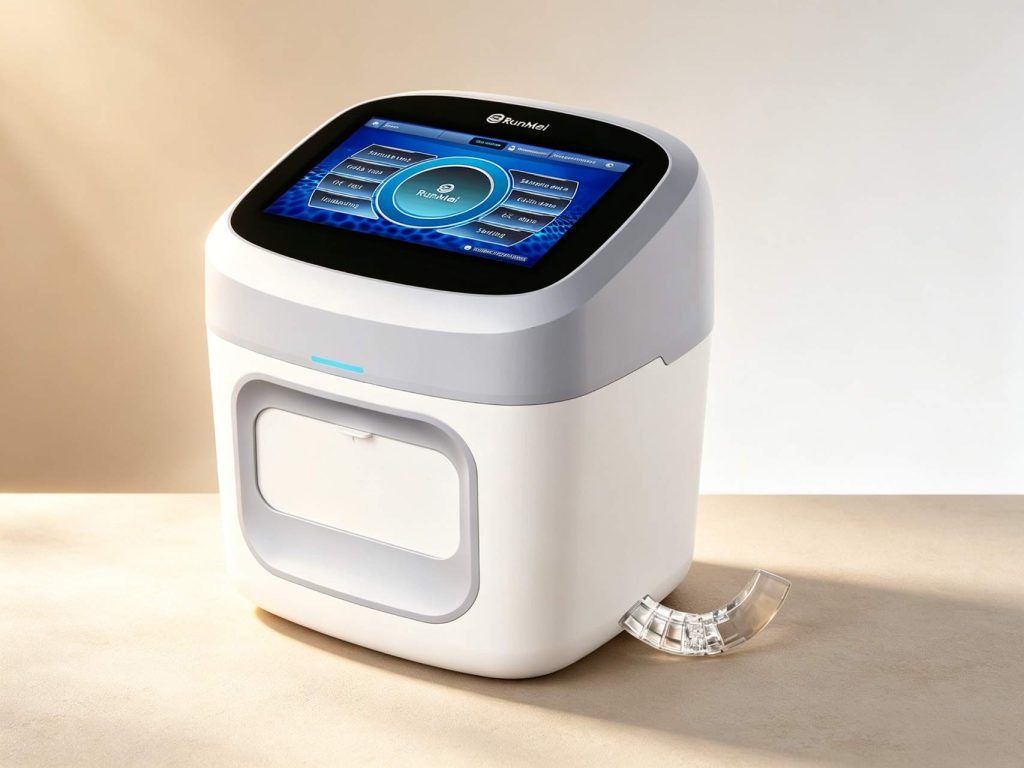
Fig. 2 — RunMei hospital biochemical analyzer during routine testing. Blood analyzer tuberculosis treatment monitoring. | Alt: blood analyzer tuberculosis treatment monitoring
The Count Inside the TB Program
The blood analyzer supports the TB program without ever replacing it. Sputum remains the confirmatory standard; the count is the supporting actor that helps the program find suspects, monitor treatment and catch complications. The program that pairs its smear service with a local analyzer runs a fuller diagnostic picture.
The economics are favorable too. The same analyzer serves the TB clinic, the antenatal clinic and the general outpatient day, so its fixed cost is spread across the whole facility while the TB program draws on it at no marginal expense.
The reagent line is where the real budget lives. A machine that costs little but drinks expensive consumables will be switched off by year two; a machine whose per-test cost fits the community’s wallet keeps running because the community can afford it. Buyers should ask one question before any other: what does each test actually cost delivered to this clinic, and can that cost be sustained after the donor’s project ends?
The Shared Instrument, the Protected Register
When one analyzer serves many programs, the TB register must stay separate: patient, counts, treatment week, and the action taken. The shared machine with the protected register gives the TB program its own evidence trail without duplicating hardware.
The Quality Case
A result is only as good as the system that produced it. The quality case for blood count in Rural Clinics rests on daily controls, calibration discipline and external assessment — the three layers that let a rural clinician act on a number with confidence. the blood count matters; the habits around it matter more.
The Daily Evidence
The five-minute control run is the whole foundation. It detects drift before it reaches a patient, and the log it produces is the visible proof that today’s results can be trusted. Facilities that protect the morning control ritual protect everything downstream of it.
The External Check
External quality assessment — blind samples scored by a national or regional program — is the only true measure of accuracy, and it is now within reach of rural facilities in most countries. Enrollment costs little; the feedback it returns is the difference between assuming the machine is right and knowing it is.
Programs that pair blood count with TB screening clues report the strongest results. The same logic applies to anemia in TB, which clinics in the region often underestimate. For teams accountable for lymphocyte monocyte ratio, the practical effect shows up within the first month.
الأسئلة المتداولة
Q1. Can a blood count diagnose tuberculosis?
No. Tuberculosis is confirmed by sputum, molecular or culture methods. The count provides supporting clues and helps triage who needs confirmatory testing.
Q2. What blood count findings raise TB suspicion?
Anemia of chronic disease, a raised monocyte fraction and a shifted lymphocyte pattern in a patient with chronic cough and weight loss.
Q3. How is treatment response followed with the count?
The anemia of active disease should improve over the months of treatment; a flat or worsening trend prompts investigation of adherence, resistance or complications.
Q4. Does the analyzer replace sputum testing?
Never. It complements the program by supporting suspect identification and treatment monitoring at the local facility.
Sources & References
- WHO data show tuberculosis remains one of the deadliest infectious diseases, with more than 10 million new cases each year and the heaviest burden in low- and middle-income countries. Source: WHO — https://www.who.int/news-room/fact-sheets/detail/tuberculosis
- WHO analyses indicate that anemia affects roughly one in four people worldwide, with the highest prevalence in preschool children and pregnant women in low- and middle-income regions. Source: WHO — https://www.who.int/news-room/fact-sheets/detail/anaemia
About the Author & Reviewer
Author: Dr. Elena Marchetti, MD, MPH, Rural Health Diagnostics. Dr. Marchetti is a physician and diagnostics specialist who has spent the past fifteen years designing point-of-care programs for district hospitals and rural clinics in lower-resource settings. Her field work focuses on how laboratory devices survive daily use outside the laboratory, from staff training to reagent logistics.
Reviewer: Prof. Daniel Mwangi, PhD, MSc, Laboratory Systems Advisor. Prof. Mwangi directs laboratory quality programs for a network of rural health facilities and teaches clinical laboratory science. He has reviewed point-of-care device deployments across Africa and Southeast Asia, with a particular interest in quality control and operator competency outside the main laboratory.
Disclaimer
This article is for informational and marketing purposes only and does not constitute medical advice, a product claim, or a regulatory certification statement. Device availability, regulatory status (FDA 510(k)/CE/ISO 13485) and specifications vary by country and model; always verify current approvals with the manufacturer and consult local regulations before procurement or use.