If you have spent even one sleepless night worrying about an expired reagent batch, a failed calibration on the morning of a big clinic day, or whether your equipment will pass the next audit — you are not alone. Every lab manager I meet carries some version of that anxiety. This FAQ is my honest attempt to walk through the questions they ask me most, so you can choose with confidence instead of dread.
Why do reagent costs always seem to run away from forecast?
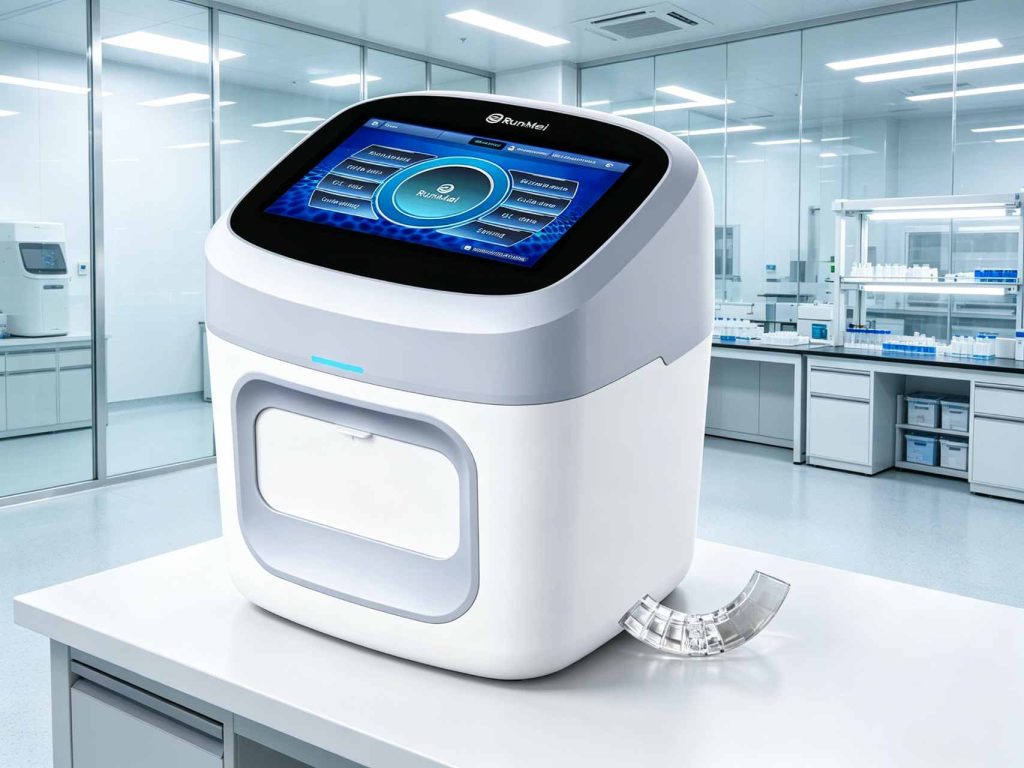
Because traditional systems lock you into proprietary consumables with prices and lead times you do not control. Cold-chain shipping, storage, and expiry write-offs add up quietly. The practical fix is to look at platforms that reduce or eliminate that dependency. A hematology testing solution with a No-Liquid design removes the reagent ordering treadmill and shrinks the budget line item that keeps surprising you.
Do I really need a separate machine for animals?
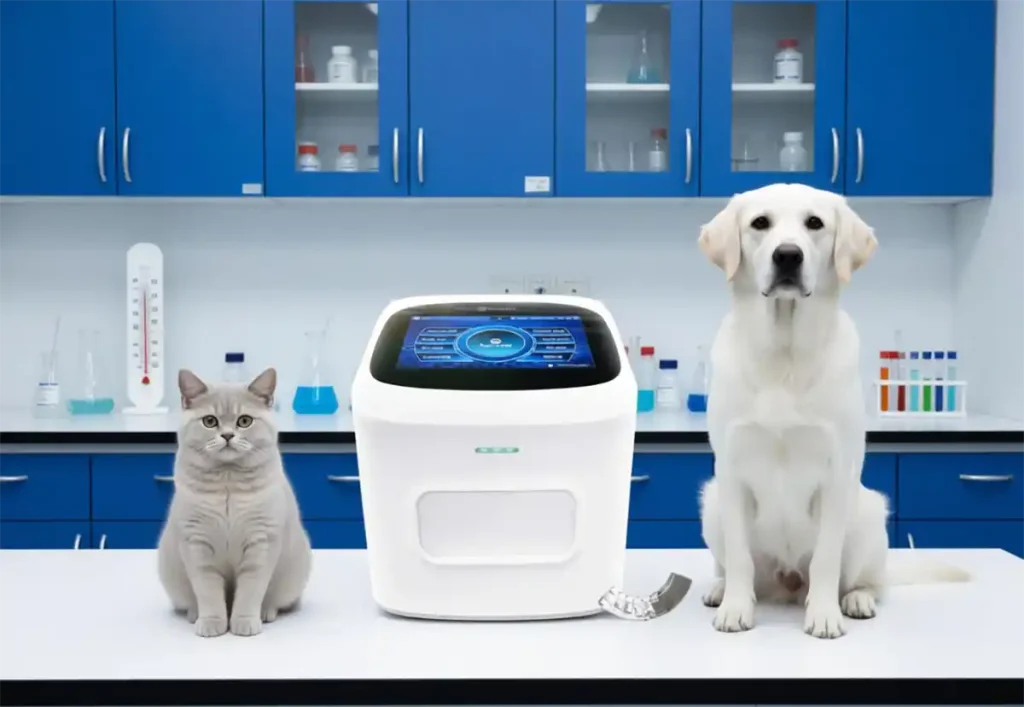
Species differences are real. Human and veterinary samples calibrate and flag differently. If animal work is part of your practice, a purpose-built unit saves you endless troubleshooting. A veterinary hematology analyzer delivers 5-part CBC and immunoassay tuned for veterinary samples, and its portability suits exam rooms and mobile clinics.
Will a new system force long retraining?
Only if you pick a machine nobody thought about usability on. AI-assisted imaging and an intuitive, multi-language interface dramatically shorten the learning curve. A multi-function hematology analyzer that combines CBC with immunoassay also means your team learns one device instead of two, cutting total training time and daily review workload.
How do I handle regulatory and customs worry?
Fear of paperwork is one of the biggest silent blockers to upgrading. Working with a manufacturer who is CE marked and ISO 13485 certified, offers 24/7 support, and understands export documentation removes most of the anxiety. Pair that with responsive service and the whole risk profile changes. When I think about dependable blood testing equipment, documentation and after-sales support rank as high as the analysis itself.
Can a small lab afford modern equipment at all?
Yes — and this is the most encouraging answer I get to give. Low MOQs starting from a single piece, competitive pricing, and regional protection mean even a startup or community practice can adopt lab-grade, AI-assisted, reagent-free technology without stocking a warehouse or betting the budget. The shift that felt impossible five years ago is now genuinely within reach.