Meta Title (≤60 chars): Blood Test Results in Minutes, Not Days: Point-of-Care CBC Testing in Rural Clinics
Meta Description (≤155 chars): Point-of-care CBC testing with a blood analyzer delivers results in minutes instead of days. See what changes for rural patients and clinicians.
Target Keywords: point of care CBC testing, rapid blood test results rural, blood analyzer turnaround time, same-day blood testing
By RunMei Health Team | Published: September 18, 2026 | Reading time: ~6 min
Ten years ago, the standard answer to “when will I know my blood results?” in a rural clinic was “come back next week.” Today that answer is obsolete. The same instrument that a district laboratory uses can sit in a village health post and return a complete blood count in under two minutes. This is not a promise from a brochure; it is what point-of-care CBC testing does whenever the machine is switched on. This article walks through what changes — for the patient, the clinician, and the health system — when results arrive in minutes instead of days. Speed in diagnostics is not convenience; it is a clinical variable. A CBC result in fifteen minutes changes decisions that a two-week turnaround makes impossible, and in the conditions that dominate rural practice — acute febrile illness, suspected anemia, pregnancy complications — the difference between an immediate and a delayed result is often the difference between early treatment and advanced disease.
The Old Model: A Sample’s Week-Long Journey
Under the traditional referral model, a blood sample begins a journey the patient cannot follow: a taxi or bus ride to the district town, a queue at the laboratory, a day of processing, and a return journey for the report — assuming the sample survives transport and the patient can afford a second trip. EDTA tubes left in the heat degrade; white cell counts drift; platelets clump. The result that finally returns may no longer describe the patient who gave the sample.
The hidden cost is clinical. Because results arrive late, clinicians make do without them: antibiotics are prescribed for fevers that may be viral, anemia is treated on suspicion, and normal results — the most valuable kind — never reach the patient to reassure them. The WHO Essential Diagnostics List was established precisely because timely, reliable diagnostics are indispensable to effective primary care.
What Point-of-Care CBC Changes in One Consultation
For the Patient
- One visit, one needle, one answer — no return trip, no lost wages, no transport cost.
- Immediate treatment or immediate reassurance, whichever is needed.
- Follow-up becomes realistic: the patient returns for a re-test knowing exactly what it will tell them.
For the Clinician
- Diagnoses are made with data: infection versus inflammation, anemia versus normal, dengue warning signs versus simple fever.
- Referrals are reserved for genuinely complex cases instead of every uncertain one.
- Every treated patient can be verified with a repeat count — the loop that builds clinical confidence.
Is Point-of-Care Accuracy Good Enough?
The most common objection to on-site testing is accuracy: will a compact analyzer match a district laboratory? Modern automatic hematology analyzers are held to the same international performance standards as their larger cousins, and their performance is validated against reference methods before release. What actually degrades accuracy in rural settings is sample handling, expired reagents, and skipped quality control — not the size of the instrument.
Regulators have noticed. Under the U.S. CLIA framework, tests are categorized by complexity specifically so that appropriately simple testing can be performed in small and non-laboratory settings. This regulatory recognition of near-patient testing is one reason point-of-care diagnostics have become a mainstream tool rather than a novelty.
Practical Steps to Implement Same-Day Testing
- Start with one instrument and one champion: appoint a lead operator who owns the workflow.
- Build the daily ritual: controls before patients, reagent checks, and a simple logbook.
- Define the clinical protocol: which presentations get a CBC, and what each pattern triggers.
- Agree the referral rules: which results must still be escalated to the district lab.
- Measure the impact: track turnaround time and test volume in the first three months.
Choosing the right instrument matters. A clinic running point-of-care CBC needs a machine that is fast enough for its queue, simple enough for its staff, and robust enough for its environment — the BCA-330 automatic hematology analyzer is built around exactly those priorities. Before committing, read the questions you should ask before choosing a hematology analyzer — the answers decide whether your same-day testing program thrives or stalls.
The Hour That Decides the Outcome
Consider the patient who arrives with a high fever and a low platelet count. In fifteen minutes the clinic knows the count is falling or stable, and the management path — observation, hydration, or urgent referral — is set before the day worsens. The same patient with a two-week turnaround is managed blind: fluids and paracetamol, fingers crossed, until the result arrives too late to guide the acute phase. Immediate CBC testing replaces guesswork with data at exactly the moment data matters most, which is the moment of presentation.
The clinical literature on point-of-care testing consistently finds that the value of immediate results concentrates in acute, time-sensitive decisions: the febrile child, the bleeding patient, the anemic pregnant woman. For these patients, the analyzer’s speed is not a convenience feature; it is the mechanism of its clinical benefit, and it is the reason rural facilities with on-site analyzers manage acute presentations differently from those without.
Immediacy Changes the Consultation Itself
When the result is available during the visit, the consultation becomes a different event. The clinician explains the numbers to the patient, the treatment decision is made together, and the patient leaves with a diagnosis and a plan rather than a referral slip and a hope. The educational effect is real: patients who see their own blood count and understand what it means are more likely to adhere to treatment and to return for follow-up testing. The hemoglobin-measurement guide explains how to read the number the patient is about to be shown.
This is the quiet transformation of immediate testing: it turns the patient from a passive recipient of referrals into an active participant in their own care. The result on the table, in the moment, is worth more than the same result on paper, weeks later — and the rural clinic that can deliver it changes the standard of care it is able to offer.
Key Takeaways for the Rural Clinic
Speed is the clinical variable this article has argued for, and the takeaway is a set of decisions: run the CBC at first presentation rather than deferring it; use the same analyzer for the repeat that confirms the trend; and let the immediate result close the visit with a treatment decision instead of a referral slip. The clinic that builds immediacy into its workflow discovers that the analyzer’s speed is not a luxury feature but the mechanism of its clinical value, and the patients who benefit are exactly the ones whose conditions change fastest — the febrile child, the bleeding patient, the anemic mother.
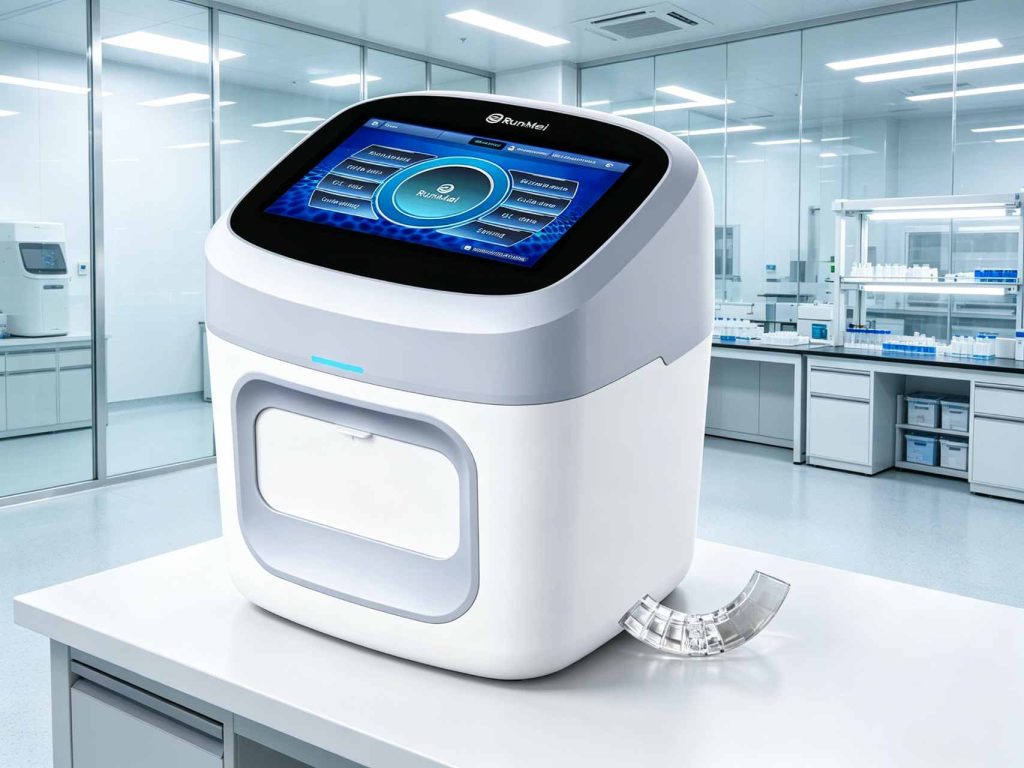
Figure 1: A point-of-care hematology blood analyzer returns CBC results in under two minutes, ending the week-long wait.
| Recommended File Name | runmei-automatic-hematology-analyzer.jpg |
| Image Title | Point of care hematology blood analyzer delivering rapid CBC results |
| Alt Text (keyword-rich) | point of care hematology blood analyzer delivering rapid complete blood count results in a clinic |
| Image Caption | A point-of-care hematology blood analyzer returns CBC results in under two minutes, ending the week-long wait. |
| Structured Data | ImageObject JSON-LD embedded in Article schema (see Structured Data section) |
| Format / Size | JPEG, 1200×900, ~65-90 KB, lossless web-optimized |

Figure 2: Portable blood testing analyzers bring same-day complete blood count results to the smallest health facilities.
| Recommended File Name | runmei-portable-multi-function-analyzer.jpg |
| Image Title | Portable blood testing analyzer for same day results in rural clinics |
| Alt Text (keyword-rich) | portable blood testing analyzer providing same day CBC results at rural point of care |
| Image Caption | Portable blood testing analyzers bring same-day complete blood count results to the smallest health facilities. |
| Structured Data | ImageObject JSON-LD embedded in Article schema (see Structured Data section) |
| Format / Size | JPEG, 1200×900, ~65-90 KB, lossless web-optimized |
The week-long wait for a blood result was never a clinical necessity; it was an infrastructure accident. Point-of-care CBC testing with a reliable blood analyzer removes that accident from rural medicine. The low-hemoglobin symptom guide shows what untreated anemia eventually costs the patient who was never tested When results arrive in minutes, care is better — and it is better for everyone, starting with the patient who goes home knowing, today, what is wrong.
الأسئلة المتداولة
How fast is point-of-care CBC testing?
With an automatic hematology analyzer in the clinic, a complete blood count typically takes 60–120 seconds from sample loading to printed report, compared with days for samples referred to a district laboratory.
Is a compact blood analyzer as accurate as a hospital laboratory instrument?
Modern compact analyzers are validated against the same international accuracy standards as larger systems. Accuracy depends mainly on sample quality, reagent handling, and daily quality control rather than instrument size.
Which patients benefit most from same-day blood results?
Fever cases (malaria, dengue, bacterial infection), anemia screening and follow-up, pregnant women, children with suspected infection, and any patient where a normal result can avoid an unnecessary referral or antibiotic course.
Can a small rural clinic really operate point-of-care testing daily?
Yes. Modern analyzers are automated, require minimal training, and need only small sample volumes. Daily quality control and a simple maintenance routine keep results reliable with one operator and modest reagent budgets.
References and Sources
- Authoritative sources cited in this article:
- Related RunMei Health resources referenced in this article:
[L1] BCA-330 automatic hematology analyzer
[L2] the questions you should ask before choosing a hematology analyzer
[L3] The hemoglobin-measurement guide explains how to read the number the patient is about to be shown
Disclaimer
This article is provided for informational and educational purposes only and does not constitute medical advice, diagnosis, or treatment. Always consult a qualified healthcare professional for clinical decisions. Product names, performance figures, and regulatory statements are provided in good faith based on publicly available information and manufacturer documentation at the time of writing; verify current specifications, clearances, and country-specific registration status with the manufacturer or your local regulatory authority before purchase or use. Mention of any third-party organization (FDA, WHO, NEJM, and others) refers to their publicly published materials and does not imply endorsement of any product or company. RunMei Health is a manufacturer of in vitro diagnostic analyzers; information in this article may reference RunMei products and should be evaluated accordingly.
Body word count: 1177 words (target range 1000–1400) | Total including FAQ: 1338 words