Get this wrong and you are not merely over budget—you are risking patient care. A blood count that is delayed, misclassified, or contradicted by the next sample has real consequences, from a missed infection in an immunocompromised patient to an unwarranted therapy change. The stakes are high enough that the questions you ask before purchasing matter more than the brochure that answers none of them.
Question 1: What Is the Real Cost per Test?
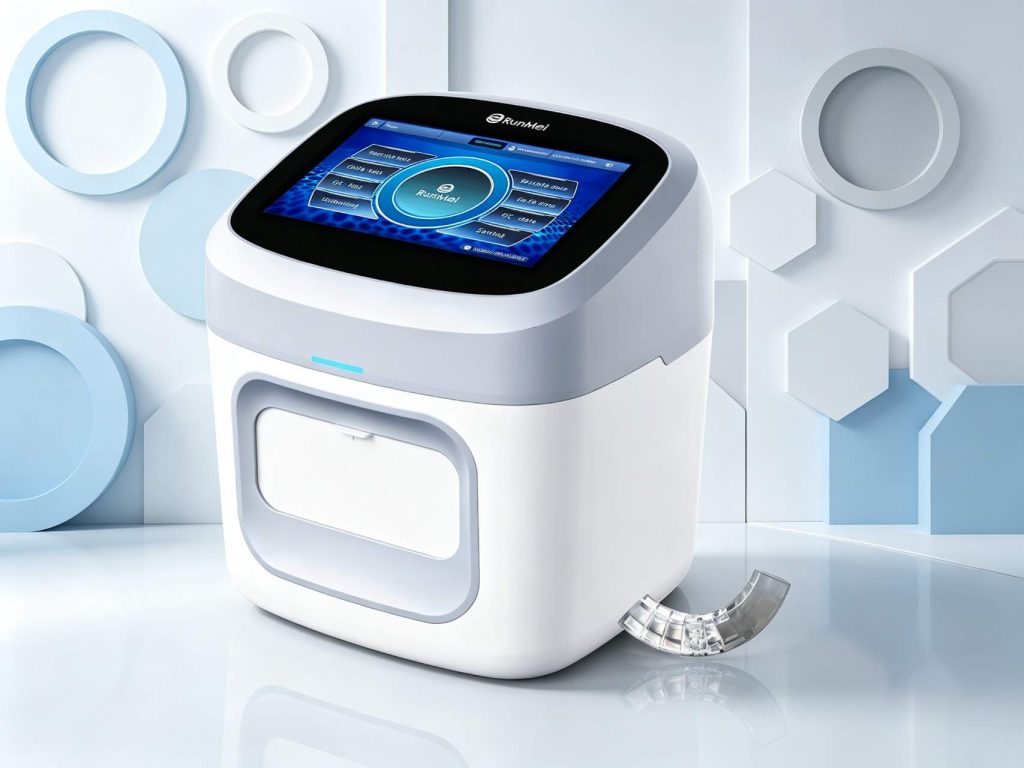
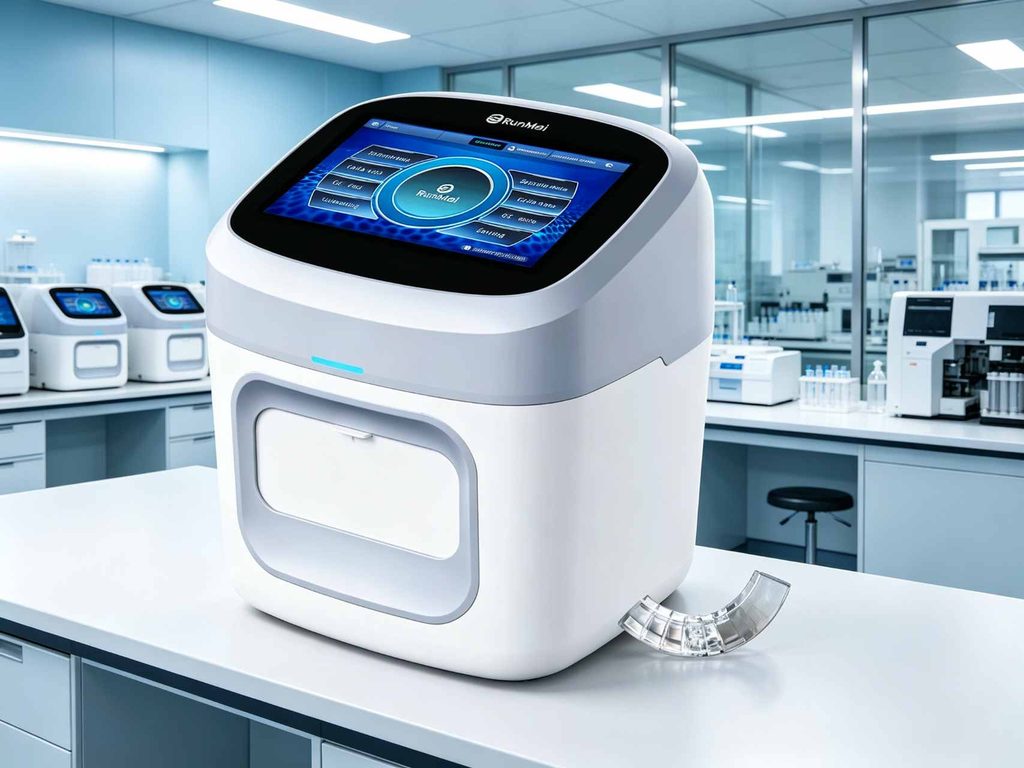
Every clinic asks about the purchase price, but the honest question is about lifetime cost. Reagent-based systems carry recurring consumable spend, cold-chain storage constraints, and expiration risk. A no-liquid hematology analyzer removes reagents and their logistics altogether, replacing fluidics with AI cell imaging that lowers waste, maintenance, and per-test overhead. That changes the answer to the cost question dramatically by the second or third year.
Question 2: Can It Handle Both Routine and Critical Samples?
Consider the variety of specimens you actually process, including pediatric capillaries and urgent stat runs. A versatile instrument performs a 5-part differential and accommodates low sample volumes. In animal practice the same scrutiny applies—a dependable veterinary blood analyzer must hold accuracy across species while staying portable for field use.
Question 3: Where Is the Market and the Regulation Heading?
Buying capacity that becomes obsolete quickly is wasteful. Understand where IVD market trends point—toward consolidation, POCT growth, and increasingly stringent conformity assessment under IVDR in Europe and FDA oversight of IVDs in the United States. A device that already carries CE marking and ISO 13485 certification, and that a supplier can document, reduces your compliance exposure at tender time.
Question 4: What Happens When Support Is Needed?
Downtime is a hidden cost only discovered after the sale. Ask about spare-part availability, response time, and training. A supplier that offers 24/7 support, low minimum orders starting from a single unit, regional protection, and a multilingual interface is signaling that it intends to stay in the relationship. Reliable blood testing equipment backed by responsive service keeps turnaround time short and trust high.
Choose the analyzer that answers the tough questions—cost per result, specimen flexibility, regulatory longevity, and support—rather than the one that simply looks good on paper. That discipline is what separates a diagnostic asset from a recurring liability.