Same-day complete blood counts at the point of care are transforming what a village clinic can diagnose — and what it can no longer miss.
By Dr. Emily Hartley, MD, MPH (Rural Family Physician & Public Health Researcher) | Reviewed by Prof. James Whitfield, PhD (Laboratory Quality & Accreditation Expert) | Published 2026-10-10 | Read time: ~7 minutes
Forty percent of the world’s children under five and more than a third of all pregnant women are anemic — and most of them live where the nearest blood test is hours away. That statistic, drawn from WHO’s anaemia fact sheet, explains the quietest revolution in rural medicine: the rise of the hematology analyzer for rural clinics.
Every hour a blood sample waits on a bus or a courier’s shelf, its cells age and its clinical value fades. Rural clinicians have always faced a stark choice: treat without data, or send the patient on a long and expensive journey to a distant laboratory. The diagnostic gap is not a technology gap — affordable analyzers now fit on a clinic bench.
This article explains why the hematology analyzer is the most impactful laboratory instrument a rural clinic can acquire, what it changes for patients and clinicians, and the evidence behind the transformation.
The Diagnostic Gap in Rural Healthcare
Picture a sick child in a farming community: fever, pallor, listlessness. The health post has no laboratory, so the sample is drawn, packed and left for transport that may not come until the next day. Results return, if they return at all, long after clinical decisions have been made. This is daily reality for much of the world’s primary care.
Distance, Delay and the Samples That Never Arrive
In many rural systems, a meaningful share of collected samples never reach a laboratory: transport fails, paperwork is lost, samples expire on the road. The cost is not only misdiagnosis — it is patients who stop trusting a system that keeps asking them to travel for tests that never seem to produce answers.
Testing where the patient is, rather than where the laboratory happens to be, is the oldest idea in diagnostics — and the newest one in practice.
What a Hematology Analyzer Brings to the Rural Clinic
A hematology analyzer performs a complete blood count (CBC): red cells, white cells, platelets and hemoglobin — and, in more advanced models, a five-part white-cell differential. Manual counting once demanded a skilled technologist and a microscope; a modern analyzer returns the same information in about a minute from a few drops of blood.
The Complete Blood Count, Delivered in Minutes
Speed changes clinical behavior. When results are ready before the consultation ends, clinicians act in the same visit: start iron therapy, adjust antibiotics, decide whether a child needs referral tonight or can be managed at home. This is why global guidance treats basic hematology as a priority capability for first-level facilities, as reflected in the WHO Model List of Essential In Vitro Diagnostics.
Designed Around Rural Constraints
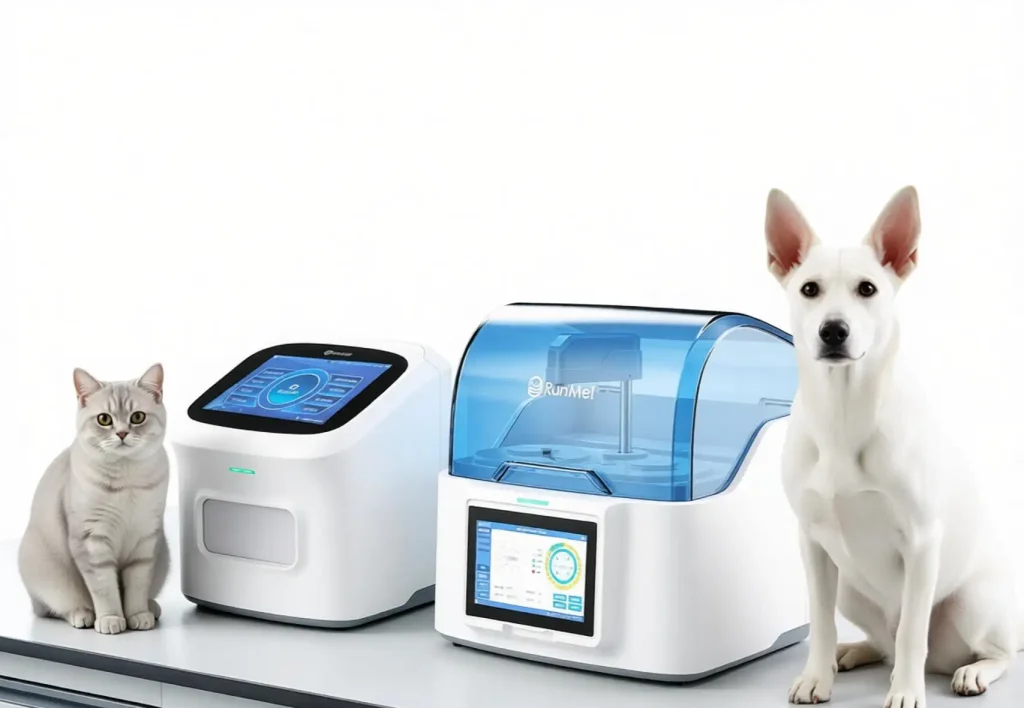
Rural analyzers are engineered for their environment: they accept fingertip capillary and venous whole blood, run on low power, tolerate ambient temperatures and use reagents with realistic shelf lives. A representative example is the BCA-330 automatic hematology analyzer, a compact five-part differential system built for point-of-care use. Clinics still comparing options will find a practical starting point in this review of compact blood analyzer options for small clinics.

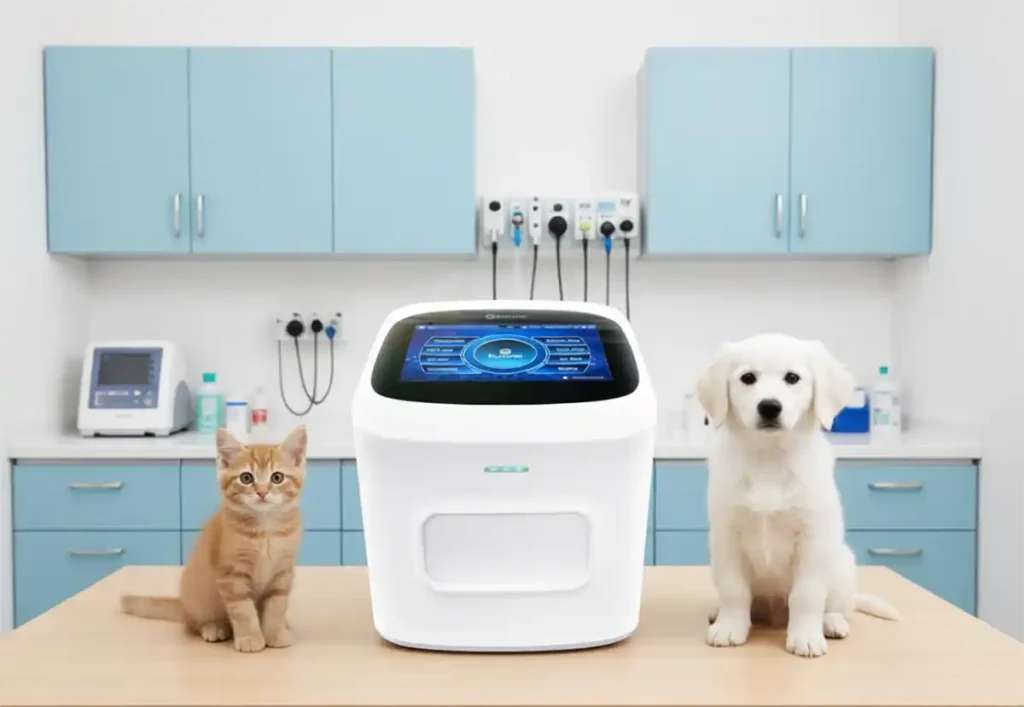
Figure 1: A compact, fully automatic hematology analyzer brings the complete blood count to the rural clinic bench — no reference laboratory required.
Image title: Compact hematology analyzer performing a complete blood count in a rural clinic laboratory | Alt text (web): compact hematology analyzer for rural clinics performing a complete blood count on a laboratory bench
Structured data: ImageObject schema for this image is provided in the Technical SEO & GEO Package below.
Why the Gap Matters: Anemia, Infection and Chronic Disease
A CBC is a cluster of signals that touches most conditions dominating rural morbidity. Three examples show how much depends on having those signals at the right time and place.
Anemia: The Silent Burden
Anemia blunts childhood development, complicates pregnancy and quietly drains adult productivity. The same test that confirms it can point to the cause: small red cells suggest iron deficiency or thalassemia, while white-cell or platelet changes raise different questions. None of this reasoning is possible when the hemoglobin level is unknown.
Fever and Infection Without Answers
Malaria, typhoid, dengue and bacterial pneumonia leave fingerprints in the blood count. Differential counts help separate bacterial from viral illness, platelet trends guide dengue monitoring, and hemoglobin shows how much reserve a sick child has left. In outbreak season, a clinic that counts cells in minutes becomes a triage asset instead of a bottleneck.
Chronic Disease in an Aging Rural Population
As rural populations age, chronic kidney disease and diabetes arrive in the same clinics where infections have always been treated. Anemia of chronic disease, hidden infections and treatment toxicity are all visible in serial CBCs. Monitoring these patients locally keeps them out of referral queues and gives visiting specialists trend data instead of single snapshots.
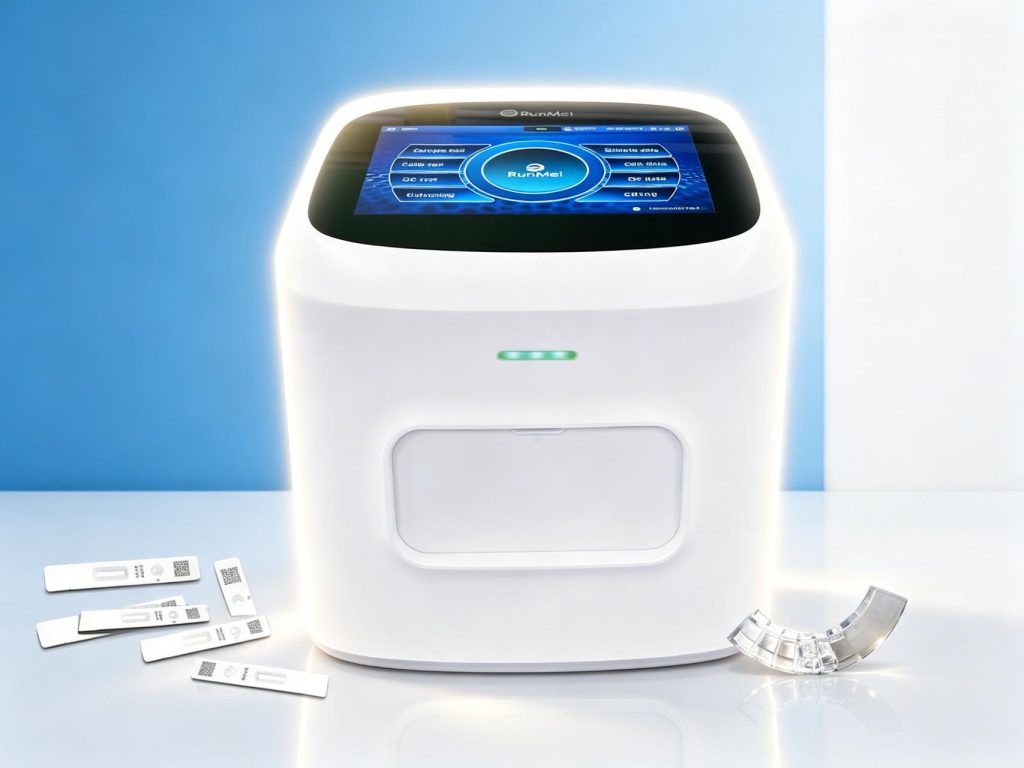
Figure 2: Portable analyzers extend same-day blood testing from the clinic bench to outreach sessions in surrounding villages.
Image title: Portable multi-function analyzer for point-of-care blood testing in community health posts | Alt text (web): portable hematology analyzer for point-of-care blood testing in rural community settings
Structured data: ImageObject schema for this image is provided in the Technical SEO & GEO Package below.
From Results to Decisions: Referral, Treatment and Trust
A laboratory result matters only when it changes a decision — and the CBC supports more decisions than almost any other single test.
Referrals Backed by Data
Referral costs families money, time and risk. A low platelet count in a fever patient is a reason to refer; a reassuring profile is a reason to treat locally. Clinicians who refer with results attached hand the receiving hospital a head start instead of a blank chart.
Treatment Without Guesswork
Antibiotics are prescribed blind in rural clinics every day. A differential count tilts the balance toward bacterial or viral causes; a falling hemoglobin explains a collapse that a vague diagnosis cannot. Portable instruments extend this capability beyond the clinic walls — the BCA-320 portable multi-function analyzer supports outreach sessions where a full laboratory could never fit.
Trust That Keeps Patients Close to Home
Patients notice when a clinic answers questions instead of writing referrals. Communities begin to treat the local facility as a real health resource — a shift visible in attendance, immunization uptake and chronic-disease retention, and one of the least discussed benefits of on-site blood testing in village healthcare.
The Regulatory and Evidence Backbone
None of this works without frameworks that make rural testing safe and legal. In the United States, the FDA’s CLIA program classifies simple, accurate tests as waived, so facilities without full laboratory licenses can run them — the current lists are maintained in the FDA’s CLIA-waived analytes database. Globally, the WHO Model List of Essential In Vitro Diagnostics guides countries toward the tests that belong at primary-care level, and clinical reviews such as a New England Journal of Medicine review of microcytic anemia show how profoundly a red-cell index can shape diagnosis and treatment.
Regulation also defines what to buy: weigh CLIA complexity, reagent logistics and quality-control requirements as heavily as the price, because a device that cannot be maintained is not a device at all. Vendor support — training, spare parts, remote troubleshooting — belongs in every procurement conversation, alongside practical guidance on how blood analyzers work.
الأسئلة المتداولة
What exactly does a hematology analyzer measure?
A hematology analyzer performs a complete blood count (CBC): red cells, hemoglobin, white cells and platelets. Differential models also classify white-cell subtypes — neutrophils, lymphocytes, monocytes, eosinophils and basophils — supporting decisions about infection and inflammation.
Can a rural clinic run a hematology analyzer without trained laboratory staff?
Yes, within limits. Compact analyzers are designed for operators with basic training, and many point-of-care systems work with whole blood or fingertip samples under simple protocols. Under the FDA’s CLIA framework, waived tests can run in facilities without full laboratory licenses, though quality control and structured staff training remain essential.
How reliable are hematology analyzer results compared with a reference laboratory?
Modern automated analyzers are highly reproducible and, in many respects, more precise than manual counting. Reliability depends on sample quality, timely analysis — EDTA samples degrade over hours — daily quality control and maintenance. On-site testing avoids transport-induced deterioration, which often makes a fresh point-of-care result more trustworthy than a transported specimen.
How much does a hematology analyzer cost to run in a small clinic?
Running costs are dominated by reagents, quality-control materials and occasional service. Per-test reagent cost is modest, but clinics must budget for monthly quality control, calibration and consumables, and plan reagent orders around shelf life. Total cost of ownership — not purchase price — is the number that matters for a rural budget.
Conclusion
The rural diagnostic gap has never been a problem of knowledge; it has been a problem of access. The hematology analyzer collapses that gap into a bench-top device that produces medicine’s most requested test within minutes of sampling.
For a village clinic, on-site CBC testing is a clinical and community decision. It changes how anemia is caught, how fevers are triaged, how chronic patients are monitored and how referral networks run. The instruments exist, the regulatory paths exist, and the evidence grows every year.
The question is no longer whether rural systems can afford an analyzer — it is whether they can afford to keep sending patients’ blood, and patients, on journeys that better technology has made unnecessary.
Disclaimer
This article is provided for general informational and educational purposes only and does not constitute medical advice, diagnosis, or treatment. Laboratory testing must be performed by trained personnel in accordance with applicable regulations, manufacturer instructions and local law. Always consult a qualified healthcare professional for clinical decisions. Product names and capabilities described may vary by market and regulatory clearance. RunMei Health does not warrant that any device is suitable for a specific facility or jurisdiction without professional evaluation.