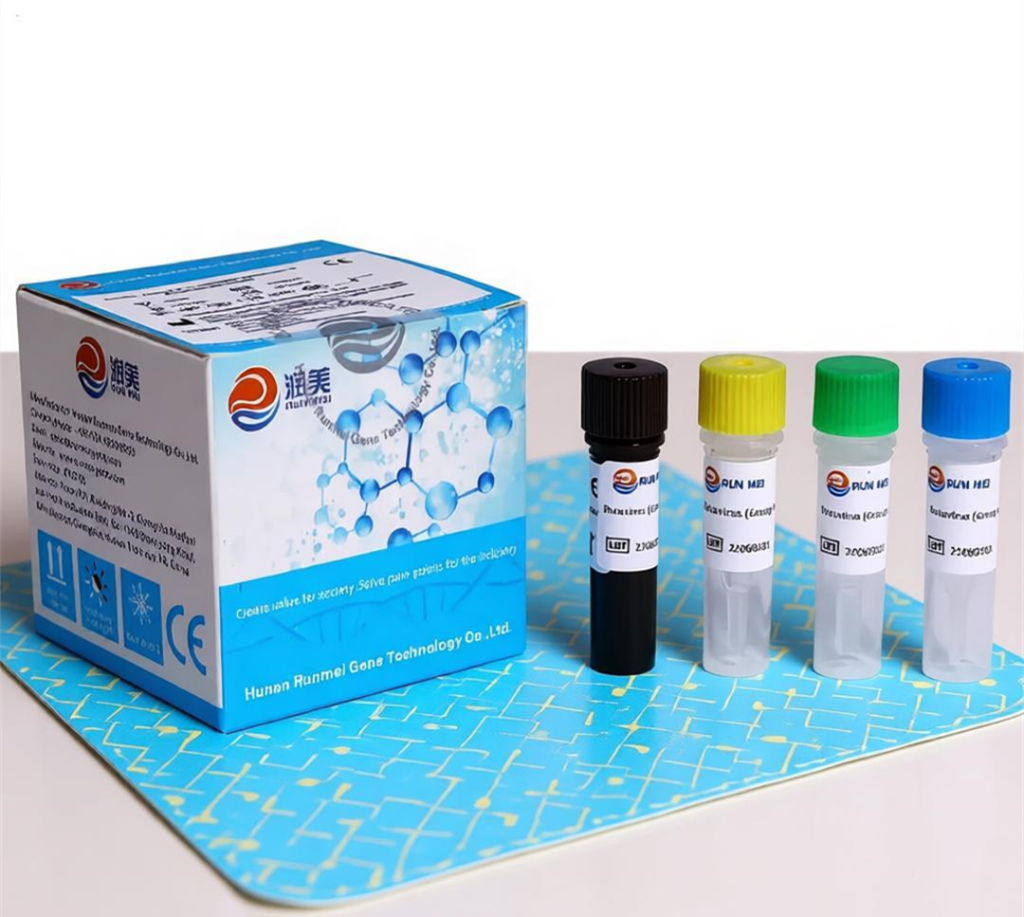
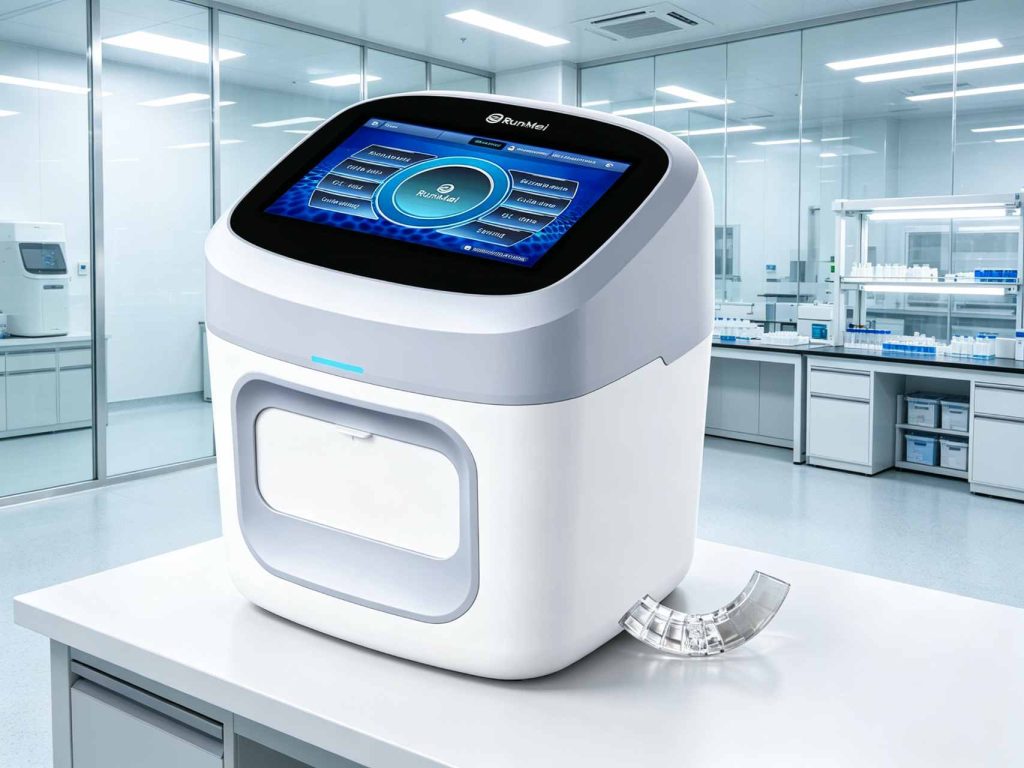
Two years ago I watched a clinic supervisor in a secondary city run the numbers on her morning CBCs and go quiet. The consumables from her entrenched supplier were silently consuming a third of her monthly margin, and she couldn’t see a way out without compromising quality. That conversation sent me down a research rabbit hole — and the data changed how I look at hematology procurement altogether.
Reading the Wallet, Not Just the Label
When you dig into the cost structure of traditional analyzers, the recurring line items stack quickly: proprietary reagent packs, cold-chain shipping surcharges, calibration reagents, service contracts, and eventually hazardous-waste disposal. Multiply that across hundreds of tests a week and the total cost of ownership becomes the real metric — not the acquisition price. This is why total-cost-of-ownership (TCO) analysis has become standard practice among laboratory consultants, and why the direct-visualization approach is gaining traction in peer-reviewed evaluations of hematology workflow.
What Direct Visualization Adds to the Evidence
Multiple laboratory medicine reviews note that impedance- and scatter-based systems identify cells by surrogate signals. In contrast, AI cell imaging returns to the “golden standard” of visual confirmation — the same reasoning that underpins manual slide review. When instrument results are flagged, technicians can inspect the actual cell images directly rather than trusting an opaque algorithm. The result is fewer repeats, more confident sign-off, and better downstream trust in the clinical decision. For a full 5-part differential CBC, that traceability is clinically meaningful.
Quantifying the No-Liquid Advantage
The most defensible claims come from operational data. Eliminating reagent cold storage reduces both capital (refrigerators, temperature logging) and energy expenses. Removing liquid waste removes disposal contracts and environmental overhead. A no-reagent architecture removes priming, flushing, and the associated downtime — pain points consistently reported in instrument-satisfaction surveys. When you fold in portability, a five-language interface, and a training window measured in hours, the efficiency case is compelling. Comparative work between no-liquid and fluid-based platforms in the field is increasingly supportive of lower per-test cost.
Choosing With the Evidence in Hand
The research-minded buyer should demand evidence, not promises. Ask for per-test consumable breakdowns, published throughput, and certification documentation — CE marking and an ISO 13485 factory are non-negotiable baselines. A low MOQ (from just one piece) lets you pilot before committing fleet-wide. And because a capable POCT analyzer can double as a bench mainstay, a multi-function platform that adds a certified automatic biochemical analyzer and a veterinary blood analyzer covers both human and animal workflows under one roof. For current benchmarking on hematology analyzer price and specification trends, the manufacturer’s technical library is a solid first pass before you run your own models.