Target keyword: “hematology analyzer quality control QC daily procedure”
Daily quality control is non-negotiable for hematology analyzers. Here is the step-by-step QC procedure, how to read Levy-Jennings charts, and how to act on failures.
Every result your analyzer prints is only as trustworthy as this morning’s QC — and QC is the one task that gets skipped the moment a lab gets busy. I have seen the fallout: a drifting calibration quietly turning normal platelet counts borderline for three weeks before anyone noticed. Daily QC is not paperwork; it is the tripwire that catches the drift before it becomes a patient result.
Why Daily QC Matters
Analyzers drift. Reagents age, optics degrade, temperatures shift, and occlusions develop. Daily quality control — running assayed control material with known values — is the only way to confirm the instrument is still reporting accurately before you trust it with patient samples. Accreditation bodies from CLIA to ISO 15189 mandate it, but the real reason is simpler: a single unflagged error can cascade into a wrong diagnosis.
The Step-by-Step Daily QC Procedure
Run reconstituted or liquid controls at the levels your workload demands — typically normal and abnormal (low and/or high) levels. Start with a background/blank check after priming, verify reagent levels and expiry, then run controls in triplicate or per manufacturer guidance. Compare each parameter against the assayed mean and the acceptable range on the Levy–Jennings chart. Document the results, the lot numbers, and the operator before releasing patient results.
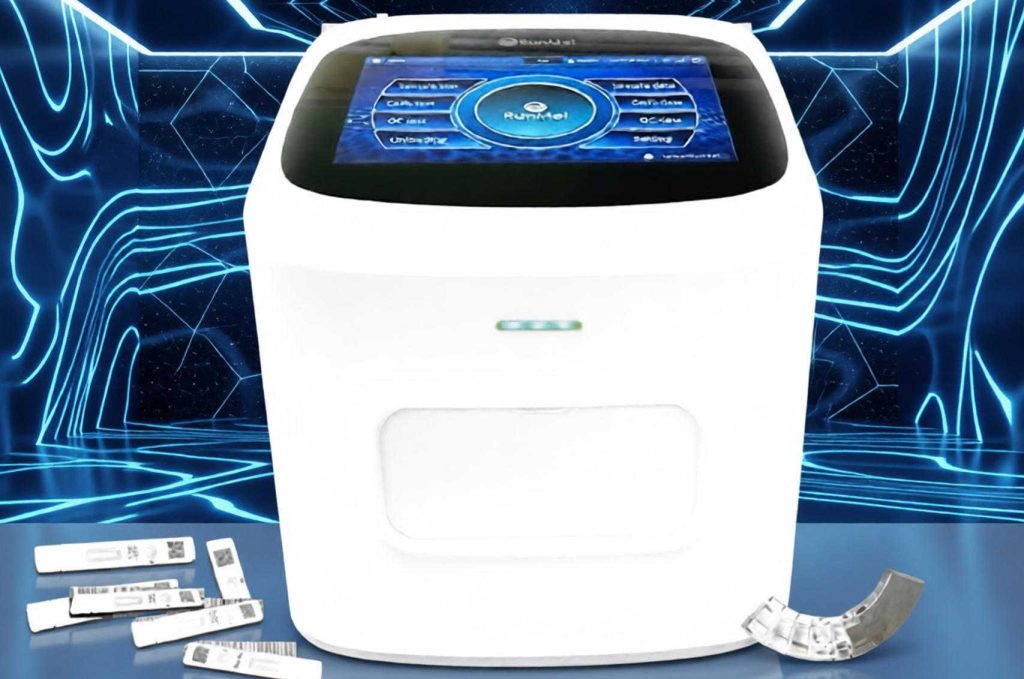
Looking for a reliable option? The 5-part differential hematology analyzer from RunMei Health is built for accurate, efficient blood analysis.
Reading the Levy–Jennings Chart
The Levy–Jennings chart plots each QC value over time against the mean and control limits (usually ±2 SD and ±3 SD). Watch for trending: several consecutive values above or below the mean, or drifting toward a limit, signals a developing problem even before a formal “out of control”. Apply Westgard rules — one value beyond 3 SD, or two consecutive beyond 2 SD on the same side, demands investigation and corrective action.
When QC Fails: Your Corrective Action Plan
First, repeat the control to rule out a random error or a bad aliquot. If it repeats out of range, check reagent expiry and mixing, run a prime/clean cycle, verify calibration, and re-run both control levels. If still failing, quarantine patient results produced since the last good QC, contact manufacturer support, and document every step. Never release patient results after a confirmed QC failure until the control passes and the resolution is recorded.
QC Beyond the Morning Run
For high-throughput and shift-based labs, morning QC alone is not enough. Many labs re-run controls at the start of each shift or every few hours of continuous use, and after any reagent lot change, calibration adjustment, or major maintenance. Some instruments support onboard QC trending and automatic rules that lock the analyzer when control results fall outside limits, flagging the problem before patient samples are affected. Building QC into the workflow as a documented routine, not an interruption, keeps it consistent even on the busiest days.
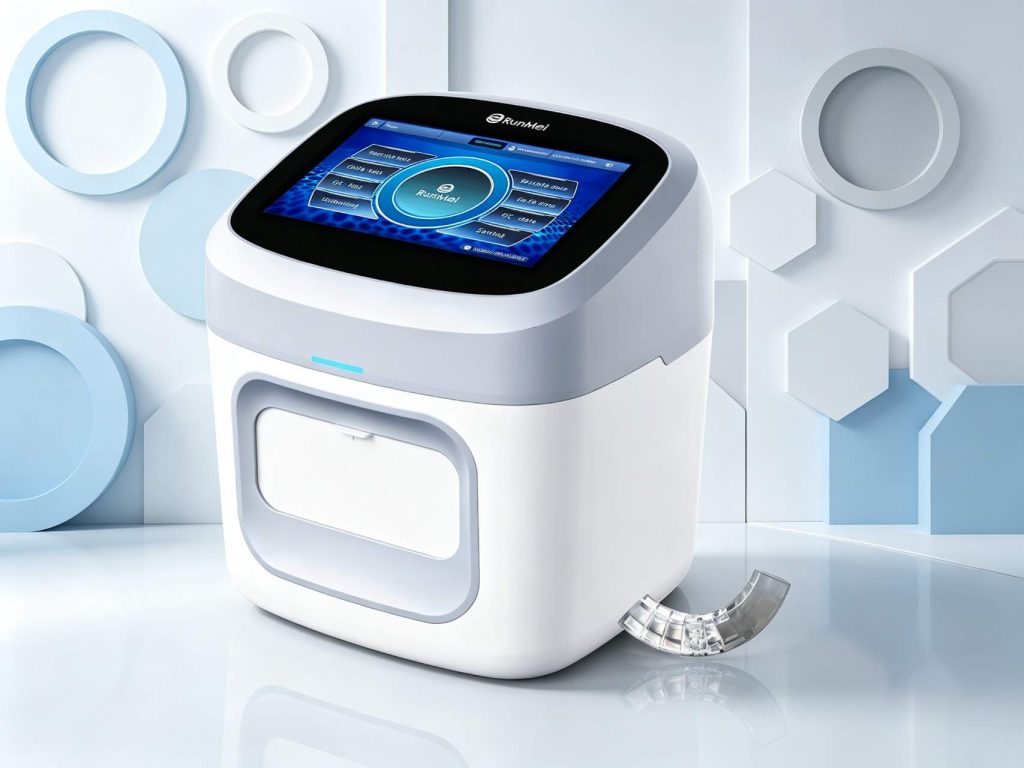
Looking for a reliable option? The portable multi-function blood analyzer from RunMei Health is built for accurate, efficient blood analysis.
Equally important is who owns it. Assign a named QC lead who reviews the weekly Levy–Jennings trends, investigates every out-of-control event to root cause, and verifies that corrective actions were actually completed. A QC programme with clear ownership and visible accountability catches drift early, shortens downtime, and shows accreditors that quality is a habit rather than a reaction.
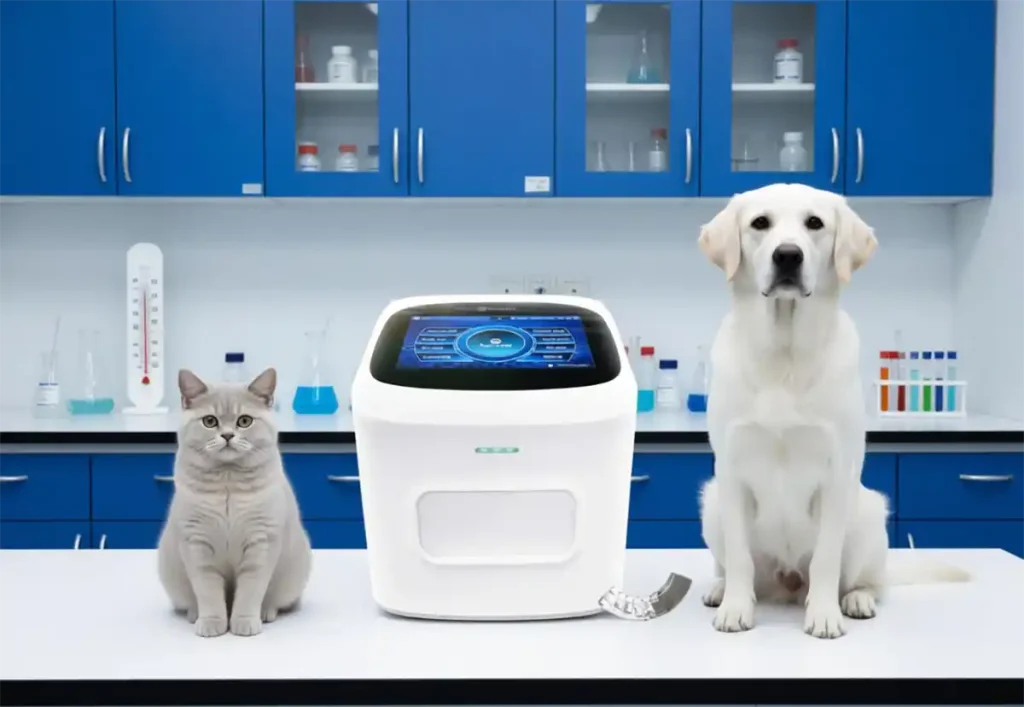
For a dependable solution, explore the 5-part veterinary blood analyzer from RunMei Health.
For a dependable solution, explore the RunMei diagnostic instruments from RunMei Health.
الأسئلة المتداولة
Q: How often should you run QC on a hematology analyzer?
A: Run at least one normal and one abnormal control level at the start of each day of patient testing, and repeat after major maintenance, calibration, reagent lot changes, or troubleshooting. Shift-based labs often run controls at the start of each shift. Frequency should follow manufacturer guidance, accreditation requirements, and your own risk assessment.