Consider this: reagent and consumable expenditures routinely account for a substantial share of a diagnostic laboratory’s variable operating cost, and for many mid-volume clinics these recurring charges can eclipse the original equipment investment within a single fiscal year. In hematology, where proprietary fluid packs, cold-chain logistics, and frequent calibration are the historical norm, this burden is acute. That is precisely why the transition to no-liquid analyzers warrants close clinical attention.
The Regulatory Landscape Every Lab Should Know
Under the U.S. Food and Drug Administration, in-vitro diagnostic devices are regulated under 21 CFR Part 809, and manufacturers shipping into Europe must navigate the In Vitro Diagnostic Regulation (IVDR), which has replaced the older IVDD directive as the governing framework. Pragmatic buyers increasingly require documented CE certification and an ISO 13485 quality management system before procurement proceeds. Regulatory scrutiny continues to harden, so partnering with a certified automatic hematology analyzer supplier reduces customs and compliance anxiety at the point of import.
Direct Visualization: The “Golden Standard” Return
Traditional 5-part differential systems infer cell identity from impedance or laser scatter — excellent, but indirect. Modern instruments now pair flow-focused counting with AI cell imaging, giving operators direct, on-screen visualization of the cells under examination. This restores a layer of manual review confidence that technicians lost when they stopped using microscopes for every smear. For laboratories that value traceability, the ability to visually confirm flagged results is a genuine quality multiplier.
Operational Economics of Going Liquid-Free
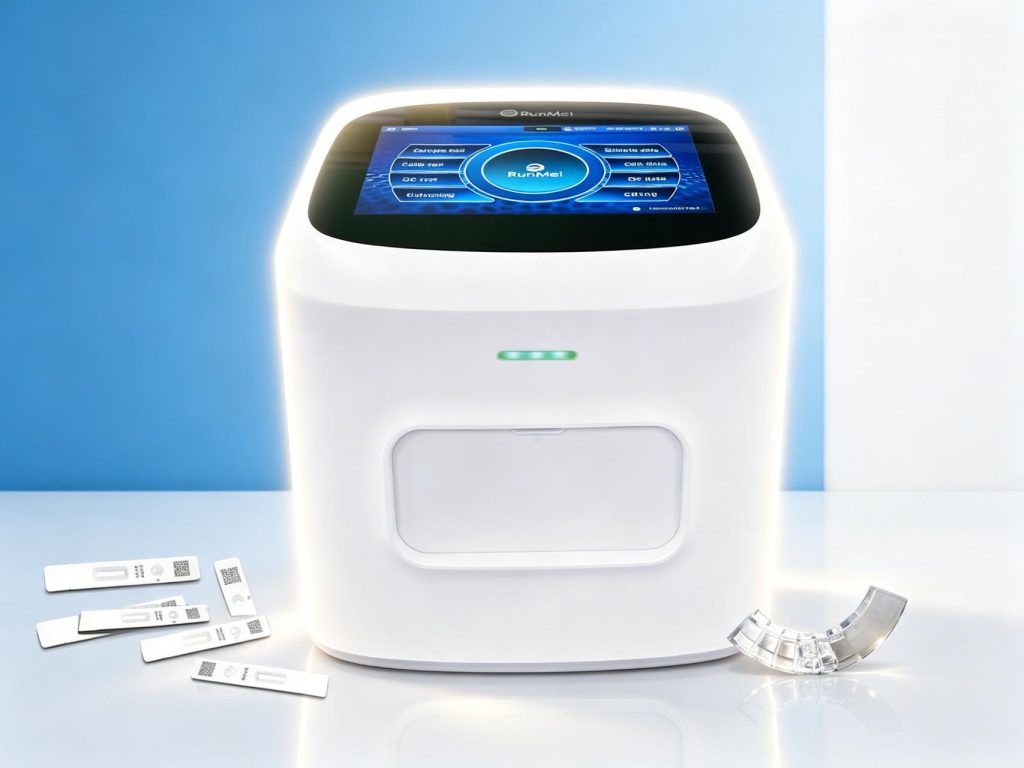
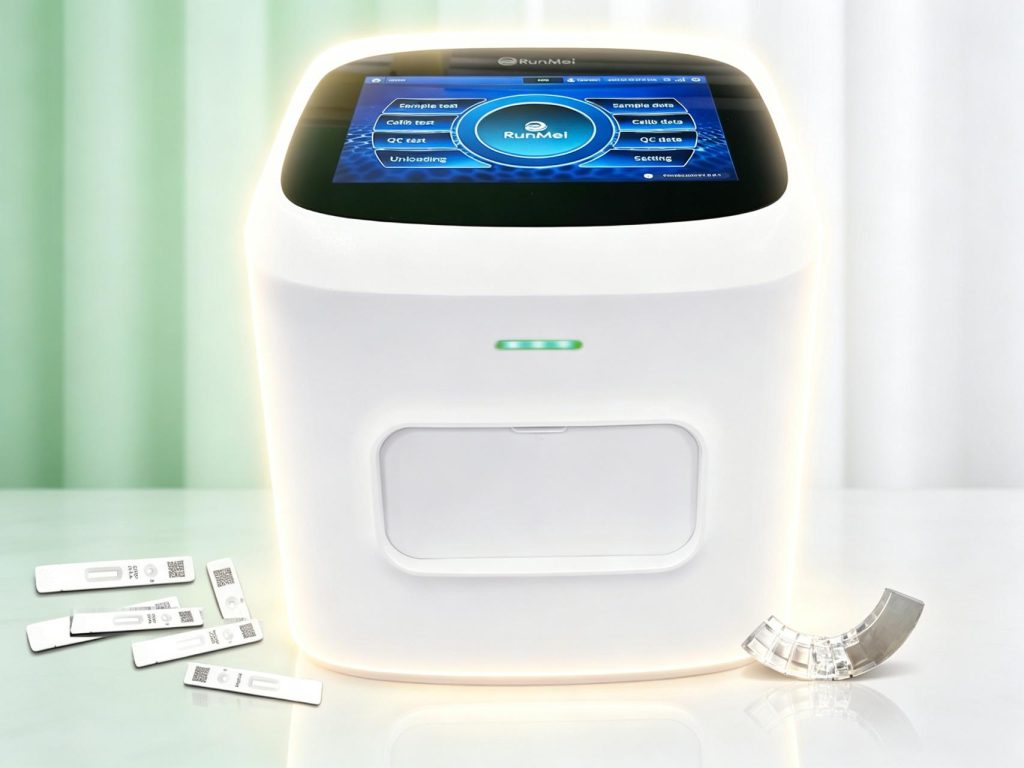
The practical benefits of a no-reagent architecture extend well beyond the invoice. Without reagent cold storage, clinics reclaim refrigerator space and eliminate a common failure point in hot climates. Removing liquid waste disposal reduces environmental liability. And because there are fewer moving pumps and fluidics to maintain, planned downtime shrinks — directly addressing two of the most cited pain points in modern hematology: maintenance burden and unplanned outages. A full 5-part differential CBC on demand, with a five-language interface, shortens the training curve to hours rather than days.
Sourcing Strategy for Procurement Teams
For institutional buyers, the procurement decision is as much about partnership as price. A low minimum order quantity — starting from a single unit — allows validation before a larger rollout. Regional protection for distributors, 24/7 technical support, and multi-function capability (including integrated immunoassay) add strategic value. Engaging an experienced medical device OEM and manufacturer that also offers a biochemistry analyzer streamlines qualification and spare-part logistics. Whether you select the multi-function hematology analyzer for a satellite lab or the flagship model for a core facility, the no-liquid architecture deserves a place in the formal evaluation matrix.