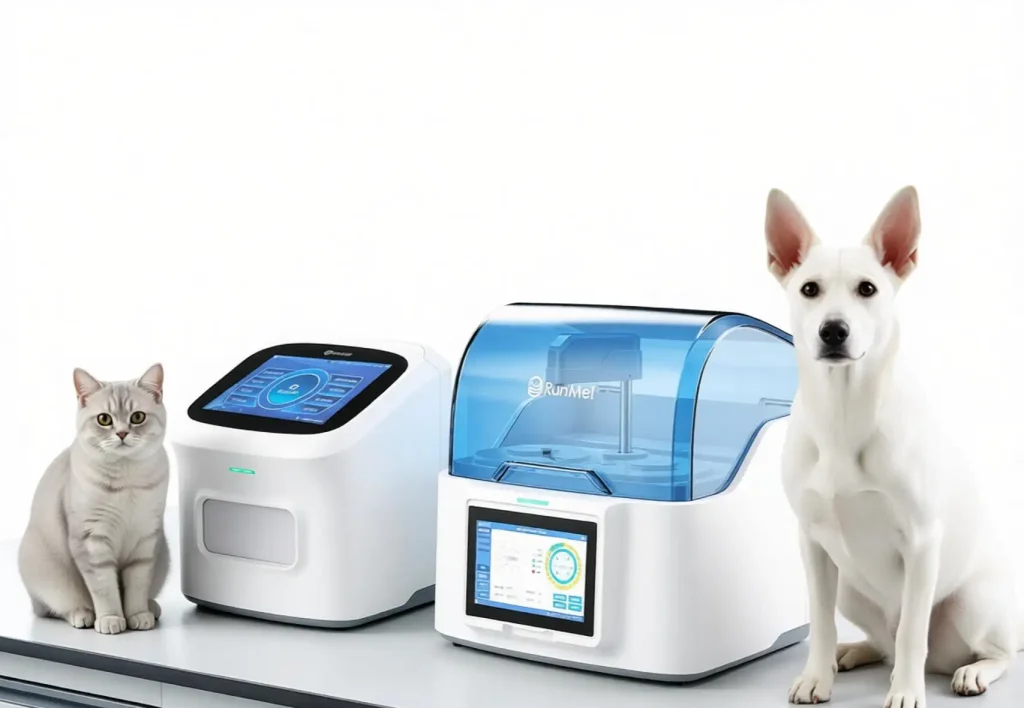
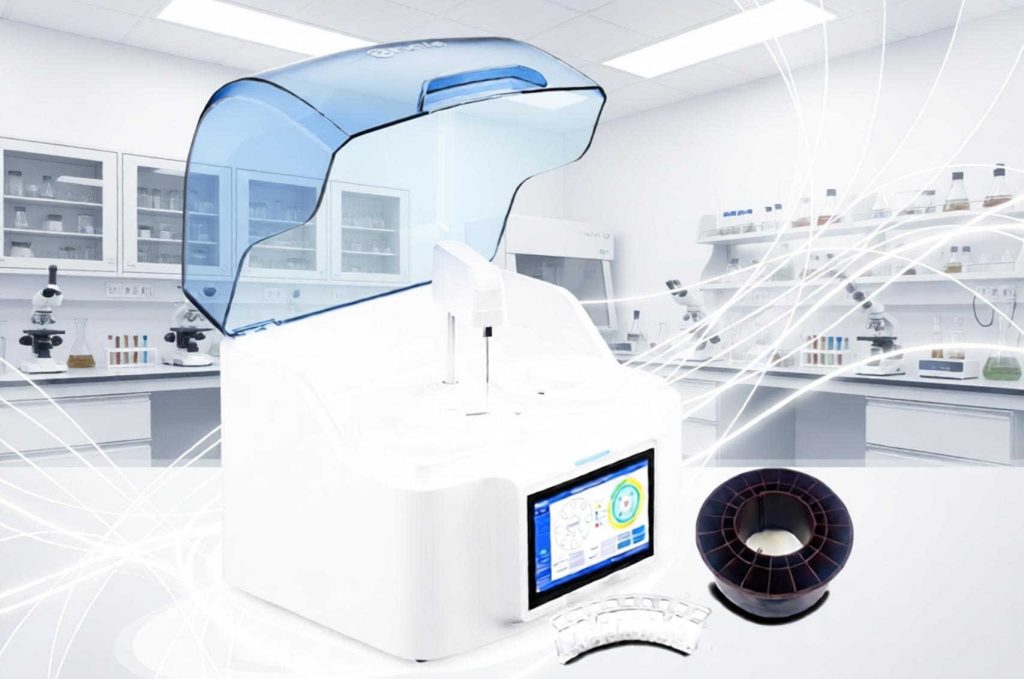
After evaluating reagent-based systems in more than forty facilities, I can tell you the single most common mistake buyers make: they focus on the sticker price and ignore the cost per test, the cold-chain logistics, and the calibration that quietly eats staff time every single week. If you choose on purchase price alone, you will almost certainly overpay in the long run. Here is the step-by-step process I use to help labs get a hematology analyzer that actually fits.
Step 1: Map your real workflow and volumes
Before you look at any brochure, write down your daily sample count, your peak-hour workload, and who will operate the instrument. A clinic doing 30 CBCs a day does not need a 120-sample-an-hour flagship. Matching equipment to realistic volume protects your budget and your staff’s sanity. For most small and mid-sized settings, a multi-function hematology analyzer that combines CBC with immunoassay is the sweet spot.
Step 2: Decide human vs. veterinary scope
Species matter. Human analyzers and veterinary analyzers calibrate differently and handle different cell morphologies. If you run both human and animal samples, look for a dedicated instrument rather than a hack. For clinics only doing animal work, an animal hematology analyzer built by a manufacturer who knows veterinary diagnostics will save you far more troubleshooting than a generic platform.
Step 3: Scrutinize the reagent burden
Here is where most budgets leak. Traditional systems tie you to proprietary reagents, cold-chain storage, expiry management, and waste disposal. Multiply that by staff hours and you will see why reagent-free matters. A 5-part differential hematology analyzer with a No-Liquid system removes calibration reagents and running reagent orders, cutting both cost and daily workload.
Step 4: Verify quality, certification, and support
Check CE marking, ISO 13485 certification, and whether the vendor offers responsive support. Documented quality lowers your regulatory and downtime risk. 24/7 manufacturer help means a Friday-night failure does not become a weekend shutdown. When you evaluate medical diagnostics equipment, ask about low MOQs (from one piece), regional protection for resellers, and multi-language interfaces.
Step 5: Forecast total cost and scale
Finally, add up purchase price, reagents, maintenance, training, and downtime over three years. Reagent-free, portable, AI-assisted units consistently win this math. Whether you are a startup lab, a private clinic, or a growing distributor, choosing the right instrument step by step is the difference between an asset and an ongoing expense.