Meta Title (≤60 chars): The CBC as a Malaria Clue: Blood Counts in Endemic Africa
Meta Description (≤155 chars): Nobody calls a CBC a malaria test. In endemic Africa, the platelet count and hemoglobin pattern often point there first. Here is the evidence.
Target Keywords: CBC malaria diagnosis, platelet count malaria, hematology analyzer tropical clinics, blood analyzer malaria endemic
By RunMei Health Team | Published: September 18, 2026 | Reading time: ~5 min
Every clinician in a malaria-endemic zone knows the sequence by heart: fever, headache, RDT, artemisinin. The rapid test is fast, cheap, and good at its job. But ask the same clinicians what they wish they had when the RDT is negative and the patient is still sick, and the answer is nearly always the same: a blood count. In a Cameroon study of children at Nkwen District Hospital, malaria-positive children showed significantly lower red blood cells, hemoglobin, hematocrit, and platelets – while white cells and granulocytes climbed with parasite density. The parasite changes the blood in a signature pattern, and the CBC reads that signature in minutes.
What the blood count says when malaria is present
Malaria’s hematological fingerprints are well documented. Thrombocytopenia – platelets under 100,000 per microliter – is present in a majority of acute malaria cases and is one of the most consistent laboratory clues in endemic settings. Anemia follows the parasite’s red-cell destruction, and leukocyte shifts track the immune response, with studies like the Cameroon one showing granulocyte counts rising with parasitemia.
None of these findings alone diagnoses malaria; the RDT or microscopy remains the confirmation. But the pattern is invaluable for triage. A febrile patient with a very low platelet count in a dengue-and-malaria zone needs a different workup than one with a normal count, and the CBC sorts those patients in minutes.
For procurement teams, the automatic hematology analyzer page lists the specifications that matter in the field, not just on paper.
The RDT-negative patient
Rapid diagnostic tests have transformed malaria care, but they have a well-known weakness: they can be negative in early infection, in low-density parasitemia, and in patients who have recently taken antimalarials. When the RDT says no and the fever persists, the clinician faces a fog of alternatives – dengue, typhoid, sepsis, pneumonia, or malaria with a false-negative test.
In that fog, a CBC is a searchlight. Severe thrombocytopenia re-opens the malaria question. Leukocytosis points to bacterial infection and antibiotics. A very low hemoglobin with fever pushes toward hemolysis and referral. The device does not make the diagnosis, but it makes the next decision dramatically better.
Severe malaria and the referral decision
When to send the patient out
WHO guidance on severe malaria is explicit about danger signs, and several of them are laboratory numbers: severe anemia (hemoglobin below 5 g/dL in children), bleeding with thrombocytopenia, and impaired consciousness. A clinic that can generate these numbers on site knows precisely when the patient’s life depends on the referral road.
Clinics without analyzers make that call on clinical signs alone, which means severe anemia is often recognized at the point of collapse rather than at the point where transfusion could prevent it. The difference between recognizing danger at hemoglobin 7 and at hemoglobin 4 is the difference between a manageable emergency and a tragedy.
If you want the full background, the malaria-anemia double burden in rural Nigeria goes deeper into the data.
Serial CBCs in malaria treatment
A single count is useful; two counts are powerful. Monitoring how hemoglobin and platelets move over 48-72 hours tells the clinician whether the patient is recovering or deteriorating – and in the malaria-endemic world, that trajectory decides between watchful waiting and urgent referral.
Follow-up testing is where the economics of an in-house analyzer shine: the marginal cost of a repeat CBC is small, so clinicians actually run them. When every repeat test means a trip to town, follow-up testing quietly stops happening, and the deteriorating patient is found late.
Building the malaria workup around a hematology analyzer
The realistic rural malaria workup in 2026 looks like this: RDT for confirmation, CBC for severity and alternatives, clinical assessment for danger signs, and a serial count for follow-up. One automatic hematology analyzer supports all four steps, and a portable blood analyzer takes the same capacity to village level.
Countries are beginning to plan for exactly this: malaria programs that used to buy only RDTs now bundle in hematology capacity, because the era of treating every fever as uncomplicated malaria is ending. The blood count is the test that lets clinicians see what the RDT cannot.
The last word belongs to the district laboratory officers who run these programs. Their experience is consistent: the facilities that integrate the CBC into fever management from the first week, with a written protocol and a stock of printout paper, are the ones still testing a year later. Integration is a habit, and habits are formed at installation. Give the clinic a one-page fever algorithm – RDT, CBC, danger signs, referral threshold – and the analyzer becomes part of the protocol rather than an occasional experiment.
RunMei’s portable blood analyzer was built for exactly this kind of setting — no mains-dependent lab, no full-time technician, no long training curve.
Dengue season complicates the fever workup
Across the tropics, dengue now shadows malaria in every fever clinic, and the two diseases need opposite management habits. Dengue demands fluid vigilance, platelet monitoring, and avoiding NSAIDs; malaria demands antimalarials. The CBC helps separate them: both can lower platelets, but the patterns differ, and the serial count – not a single snapshot – is what guides severe dengue care.
The practical point for a rural clinician: a fever workup without a blood count is a workup that cannot distinguish these two common killers. Rapid tests help, but they have windows and false negatives, and neither RDT tells you the platelet trend that decides whether the patient needs hospital care.
A facility with an automatic hematology analyzer can run the fever workup and the follow-up count on the same bench. That single capability – serial platelet and hemoglobin monitoring through dengue season – justifies the device by itself in much of Southeast Asia and West Africa.
The blood is always available
There is one more reason the CBC belongs in the tropical fever workup, and it is the most practical of all: the test does not require the clinician to guess which disease is more likely. It simply reports the blood’s state, and the blood, unlike the referral road, is always available at the clinic.
The era of treating every fever with an antimalarial is ending, and it is ending because of data – resistance monitoring, better rapid tests, and, increasingly, hematology at the point of care. The clinic that can count platelets and hemoglobin is the clinic that can practice real tropical medicine, one febrile child at a time.
The clinic that starts with a single single-parameter versus full CBC analyzers usually restructures its whole referral pathway around it.

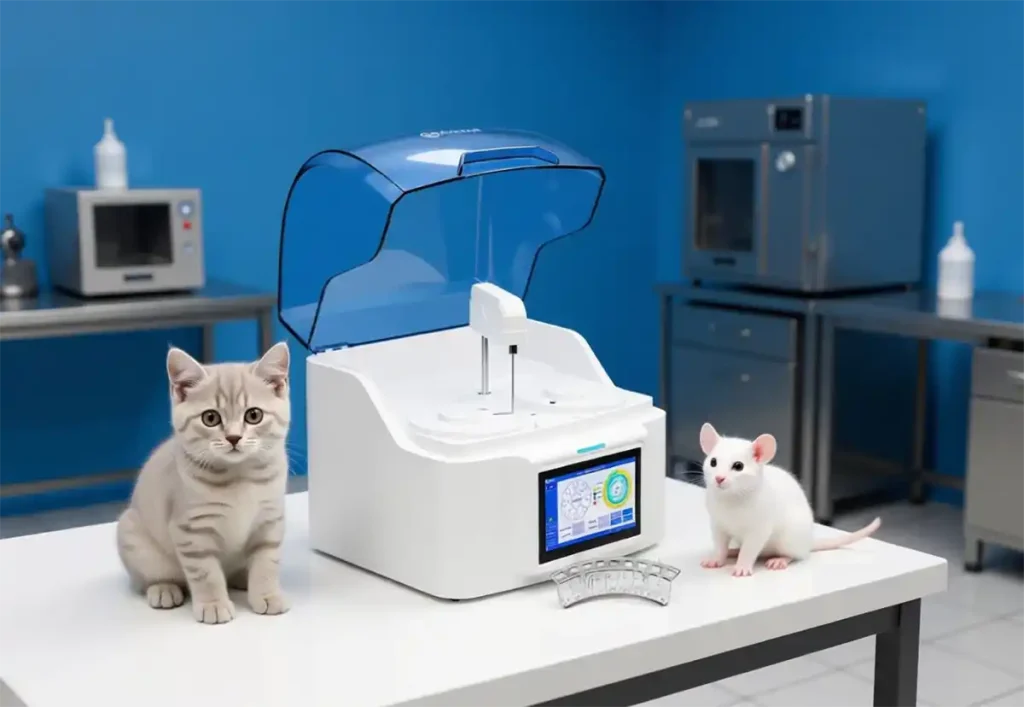
Figure 1: An automatic hematology analyzer gives the platelet and hemoglobin numbers that sharpen malaria triage.
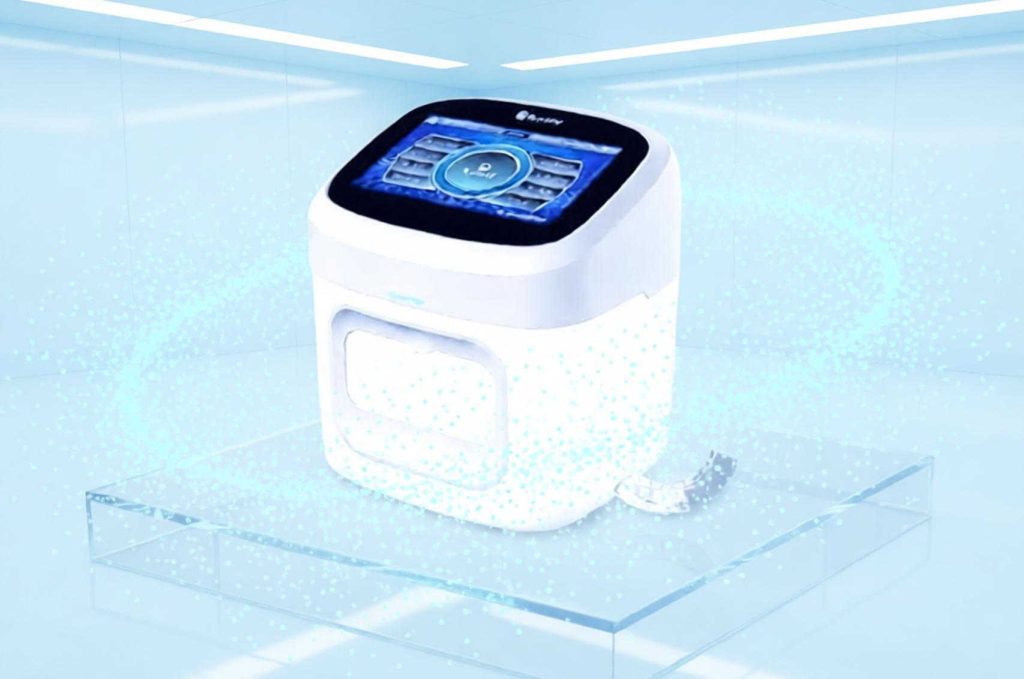
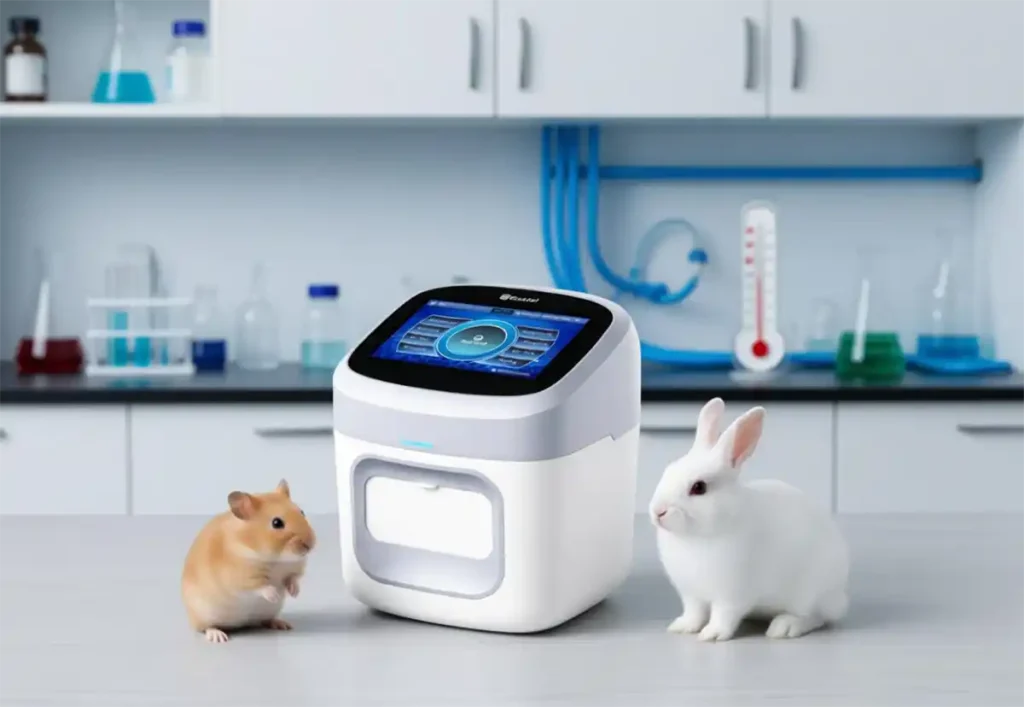
Figure 2: Portable blood analyzers carry fever-triage CBC testing into malaria-endemic villages.
الأسئلة المتداولة
Can a blood count diagnose malaria?
No – confirmation needs microscopy or a rapid diagnostic test. But thrombocytopenia and anemia are strong supportive clues, and the CBC is essential for assessing severity and alternatives.
Why do platelet counts drop in malaria?
Plasmodium infection consumes and sequesters platelets and triggers immune destruction. Low platelets with fever are a classic malaria pattern in endemic regions.
What should a clinic do when the RDT is negative but fever persists?
A CBC helps separate malaria with a false-negative RDT, bacterial infection, dengue, and other causes – guiding antibiotics, referral, or repeat testing.
References and Sources
Authoritative sources cited in this article:
- PMC10929319, “Malaria parasitaemia and its impact on biological parameters among children attending the Nkwen District Hospital, Cameroon”
- WHO, Malaria fact sheet – who.int/news-room/fact-sheets/detail/malaria
- WHO, Severe Malaria guidelines (WHO 2022 update)
- Jani IV, Peter TF. How Point-of-Care Testing Could Drive Innovation in Global Health. N Engl J Med 2013;368:2319-2324.
Related RunMei Health resources referenced in this article:
- [L1] automatic hematology analyzer — https://runmeihealth.com/product/automatic-hematology-analyzer/
- [L2] the malaria-anemia double burden in rural Nigeria — https://runmeihealth.com/why-rural-nigeria-needs-blood-analyzers-inside-the-malaria-anemia-double-burden/
- [L3] portable blood analyzer — https://runmeihealth.com/product/bca-320-automatic-portable-multi-function-analyzer/
- [L4] single-parameter versus full CBC analyzers — https://runmeihealth.com/single-parameter-vs-full-cbc-blood-analyzers-what-rural-clinics-actually-need/