WHO estimates that 500 million women of reproductive age and 269 million children aged 6–59 months live with anemia worldwide, and the heaviest burden falls on rural communities where a simple blood count is often a day-long journey away. Behind that statistic is a quieter one: most village anemia is never diagnosed at all, because the only test available is a vague feeling of tiredness.
The symptoms of iron-deficiency anemia, the world’s most common nutritional disorder, are silent enough to be mistaken for a hard day of farm work: fatigue, breathlessness on hills, pale eyelids, dizziness. The Lancet Commission on Diagnostics reported in 2021 that 47% of the global population has little to no access to essential diagnostics, and primary care in rural areas is where that gap is widest. Without a hemoglobin number, a nurse cannot tell a mild deficiency from a case that needs urgent referral.
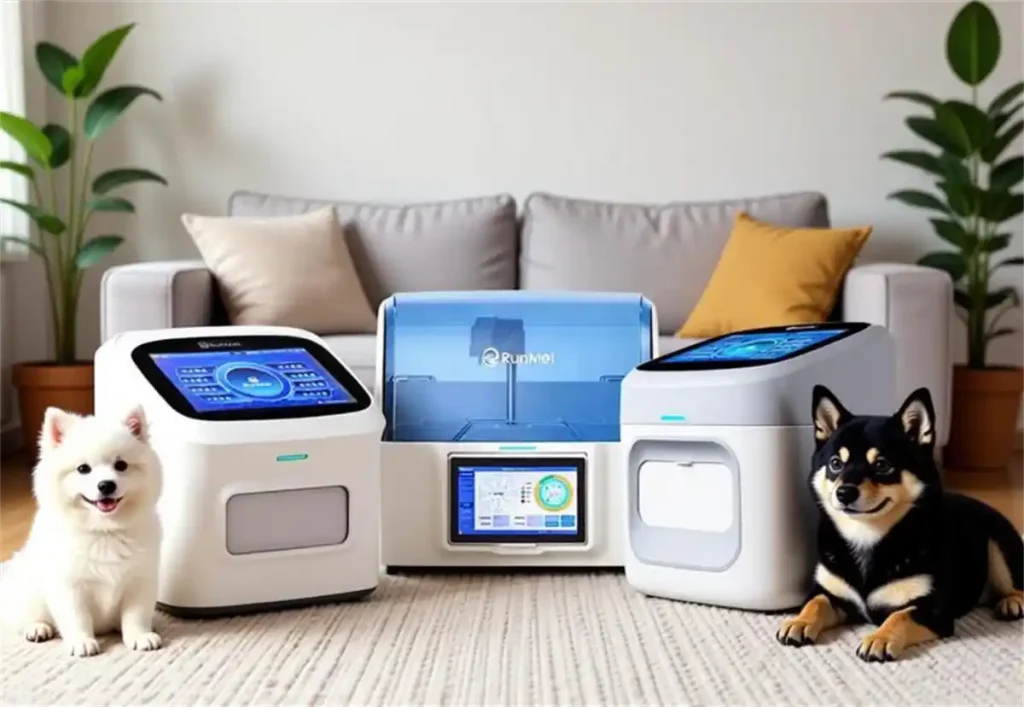
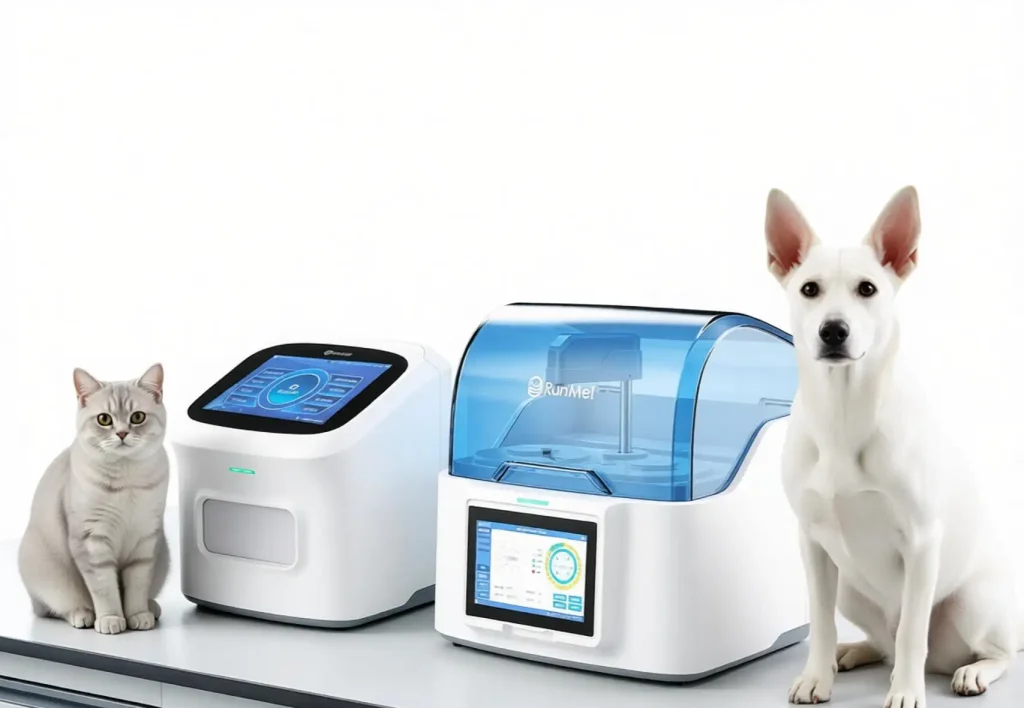
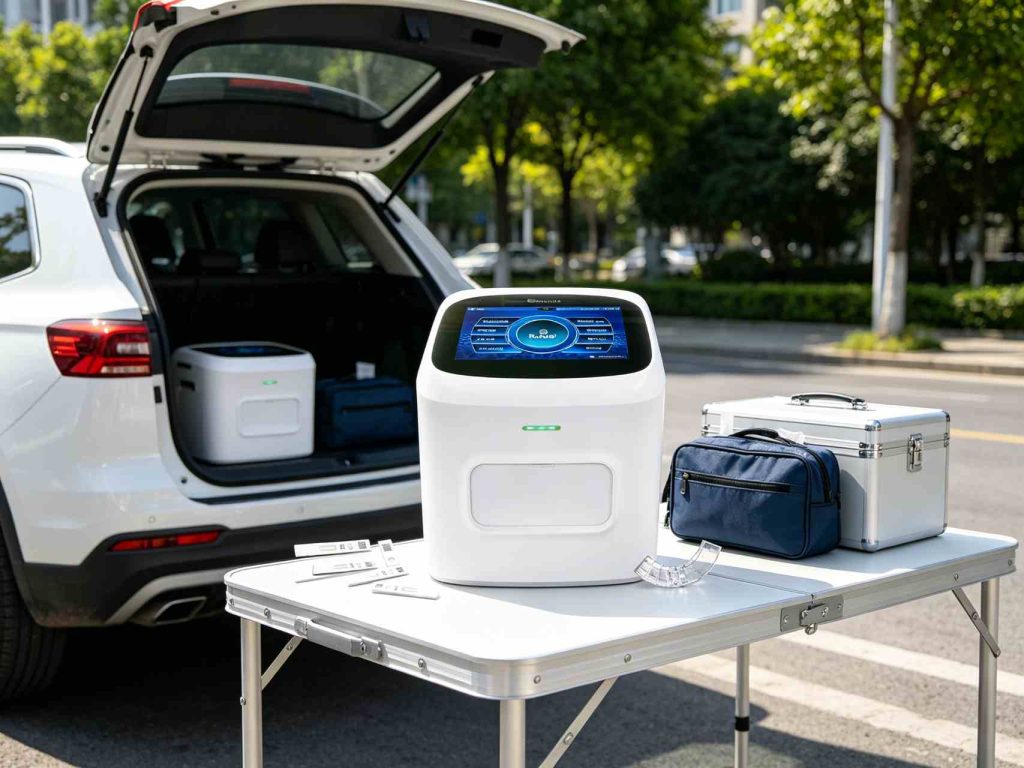
A portable hematology analyzer changes the arithmetic of village screening. A capillary or venous sample runs through a complete blood count in minutes, returning hemoglobin, red cell indices, and white cell data at the bedside. The same device that flags anemia in an antenatal check also catches the elevated white count that hints at an underlying infection, giving a rural clinician a laboratory’s worth of information without a laboratory.
Programs that put blood analyzers for point-of-care settings into village health posts report two immediate effects: screening rates climb because testing is convenient, and referral rates become smarter because only genuinely abnormal cases travel to district hospitals. For governments and NGOs measuring outcomes, hemoglobin data from decentralized devices also feeds national nutrition surveillance with numbers instead of estimates.
Reliability, not features, decides whether a village analyzer survives its first year. Look for devices that tolerate heat, dust, and voltage fluctuation, use low red blood cell count and anemia interpretation guides that a trained nurse can follow, and keep consumable costs low enough for a small clinic budget. Understanding the hemoglobin normal range by age and gender is equally critical, because children, pregnant women, and high-altitude communities have different thresholds, and a device is only as useful as the reference frame applied to its output.
Rural anemia is not an unsolvable problem. It is a measurement problem, and measurement now fits in a box small enough to carry on a motorbike.