Meta Title (≤60 chars): The Hidden Anemia Epidemic in Rural Communities: Why Screening Starts With a Blood Analyzer
Meta Description (≤155 chars): Anemia is a silent epidemic in rural areas. Learn how a blood analyzer enables early detection and treatment before fatigue becomes organ damage.
Target Keywords: anemia screening rural communities, hemoglobin testing rural, blood analyzer anemia detection, iron deficiency rural
By RunMei Health Team | Published: September 18, 2026 | Reading time: ~6 min
Her name could be Maria, Amina, or Devi. She is thirty-two, pregnant with her third child, and she has been tired for months — tired enough that climbing the hill to the health post feels like a small defeat. The nurse calls it “the usual pregnancy tiredness” and sends her home. Her hemoglobin is 7.5 g/dL. Nobody knows, because nobody tested. This is the hidden anemia epidemic, and it is not a mystery of medicine — it is a failure of testing. A blood analyzer in the health post would have found her anemia at the first visit. The numbers are stark because the biology is unforgiving: iron deficiency begins silently, progresses for years, and announces itself only when the patient’s reserves are exhausted. The rural clinic that tests routinely is the only institution positioned to interrupt that trajectory, and the blood analyzer is the instrument that makes routine testing possible at the point of care.
Anemia: The Epidemic That Never Makes the Headlines
Anemia is the world’s most common nutritional disorder, yet it is rarely treated as the emergency it is. The World Health Organization reports that roughly 40% of children under five, 37% of pregnant women, and 30% of women aged 15–49 are anaemic worldwide. In rural areas the true numbers are worse: diets low in iron, repeated infections, high fertility rates, and poor access to care combine to push hemoglobin below safe thresholds in the very groups that can least afford the consequences.
What makes anemia “hidden” is that its symptoms — fatigue, breathlessness, dizziness, poor concentration — are non-specific and easily normalized. A farmer believes he is tired because he works hard. A teacher believes she is dizzy because of the heat. Only a blood test separates normal fatigue from a hemoglobin level low enough to strain the heart.
Who Suffers Most, and Why Testing Matters
Pregnant Women: The Highest-Stakes Patient
Maternal anemia is directly linked to hemorrhage risk, preterm birth, low birth weight, and maternal mortality. Guidelines worldwide call for hemoglobin measurement at booking and again in the third trimester; in rural practice this is often the single test that is skipped. A portable blood analyzer makes the check impossible to skip — the test takes a minute and the result is immediate.
Children: The Cognitive Cost
Iron deficiency in early childhood affects brain development, school performance, and immunity. WHO links anaemia to impaired cognitive and physical development in children and reduced productivity in adults. When a growth-monitoring visit includes a hemoglobin check, a child who would have been sent home is instead treated — and re-tested weeks later with the same machine.
Adolescent Girls and Women of Reproductive Age
Menstrual losses, repeated pregnancies, and helminth infections make this group the world’s largest anemic population. Community screening programs that bring a blood analyzer to villages have repeatedly shown that one in three women screened needs treatment — a burden invisible in clinic statistics because the tests were never run.
How a Blood Analyzer Changes the Screening Equation
Hemoglobin meters are cheap and portable, but studies show they can overestimate hemoglobin and underestimate anemia, particularly in field conditions. Our deep dive into hemoglobin measurement accuracy and interference explains when the number lies. An automatic blood analyzer measures hemoglobin alongside red cell indices — MCV, MCH, MCHC — which tell the clinician whether the anemia is iron deficiency, B12/folate deficiency, or something more complex. That distinction changes treatment completely.
The same analyzer then becomes the treatment monitor: after iron supplementation, the clinic re-tests at 4–6 weeks and sees the hemoglobin climb. The loop of screen – treat – confirm is what turns a screening program from an event into a system. RunMei’s guide to low hemoglobin and the quiet signs your body sends is a useful patient-education companion for these programs.
Designing a Community Anemia Screening Program
- Map the population: target pregnant women, children under five, and adolescent girls first.
- Choose equipment that can travel: a portable analyzer with battery power for outreach days.
- Train one community health worker per site to run tests and record results.
- Link every abnormal result to treatment — iron, deworming, nutrition counseling — on the same day.
- Re-test treated patients at 4–6 weeks to confirm response and document impact.
None of these steps requires a hospital. A portable multi-function analyzer suitable for outreach and clinic use can serve both the static clinic and the mobile team, and the complete guide to RunMei’s diagnostic portfolio shows how analyzers fit into a complete primary-care testing strategy.
Why Anemia Escapes Detection in Rural Communities
Anemia is a disease of normalcy in many rural settings: the fatigue is attributed to hard work, the pallor to a poor season, the breathlessness to age or pregnancy. Patients and families normalize the symptoms because they have no reference point — no blood count has ever told them what their own normal looks like. Clinicians, facing crowded clinics and scarce testing, rely on clinical examination alone, and clinical examination is a notoriously weak detector of mild and moderate anemia: the conjunctiva looks pink until hemoglobin has fallen well below the level at which treatment should have begun.
The result is a systematic underestimate. Population surveys using hemoglobin testing consistently find anemia prevalences several times higher than clinic-based clinical estimates — the difference between the disease as it is experienced and the disease as it is perceived. The analyzer corrects the perception with an objective number, and the number changes the conversation.
The Lifetime Cost of Late Detection
Anemia detected late is not merely anemia treated late — it is anemia that has already done its damage. In children, chronic iron deficiency impairs cognitive development in ways that persist after the hemoglobin normalizes. In pregnant women, it raises the risks of prematurity, low birth weight, and maternal morbidity. In working adults, it quietly reduces productivity and income across a lifetime. The economics of early detection are so favorable that the question is not whether testing pays, but why it has been delayed for so long.
The blood analyzer turns late detection into early detection by making the test cheap, fast, and local. A finger-prick, fifteen minutes, and a result — repeated at every opportunity — is the entire intervention, and it is one of the highest-yield instruments rural medicine owns.
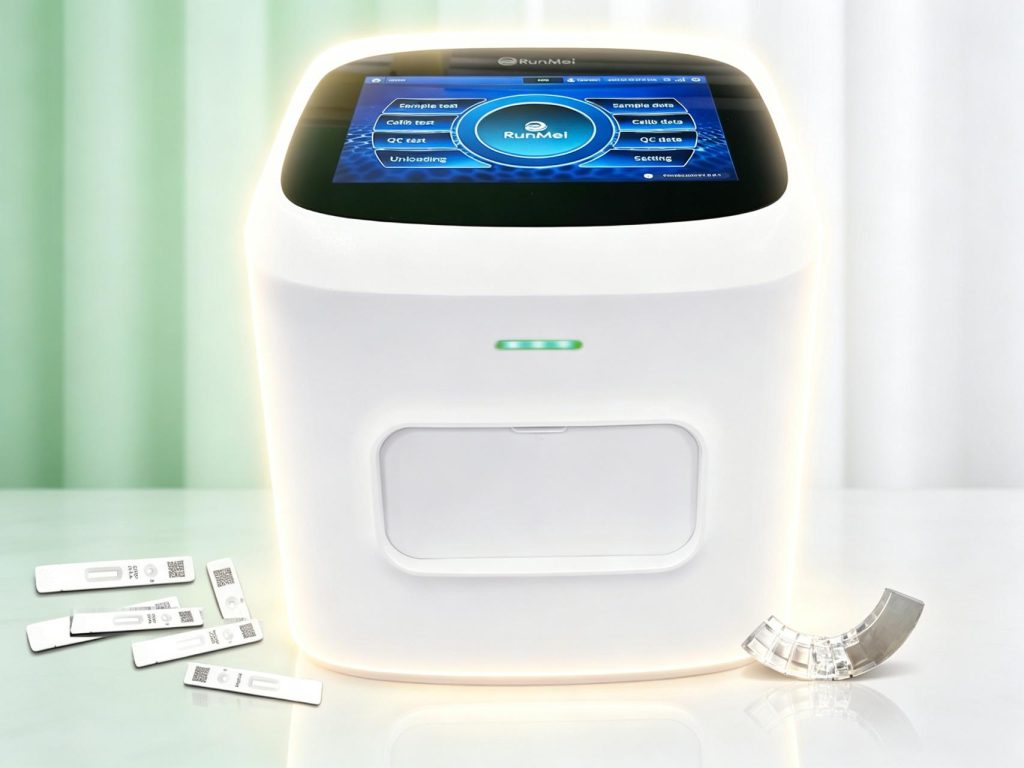
Figure 1: A hematology blood analyzer turns every routine consultation into an opportunity for anemia screening.
| Recommended File Name | runmei-automatic-hematology-analyzer.jpg |
| Image Title | Hematology blood analyzer for anemia screening in rural health posts |
| Alt Text (keyword-rich) | hematology blood analyzer used for hemoglobin and anemia screening at a rural health post |
| Image Caption | A hematology blood analyzer turns every routine consultation into an opportunity for anemia screening. |
| Structured Data | ImageObject JSON-LD embedded in Article schema (see Structured Data section) |
| Format / Size | JPEG, 1200×900, ~65-90 KB, lossless web-optimized |
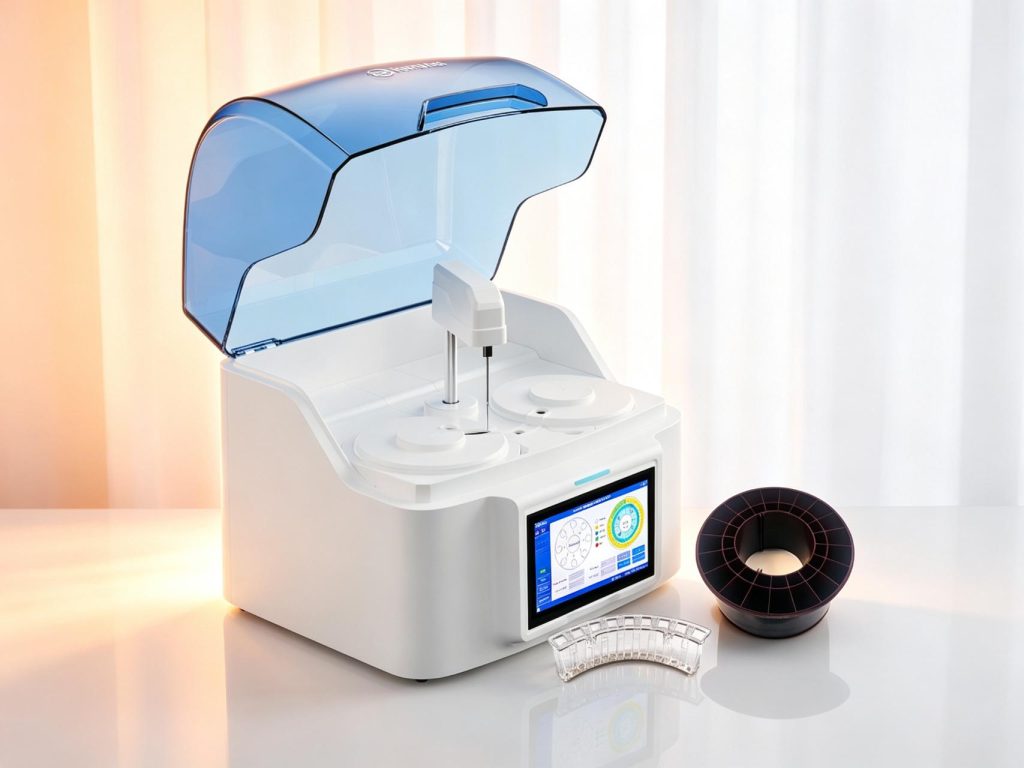
Figure 2: Portable blood analyzers allow screening teams to bring hemoglobin testing directly to village communities.
| Recommended File Name | runmei-portable-multi-function-analyzer.jpg |
| Image Title | Portable blood analyzer for village anemia screening campaigns |
| Alt Text (keyword-rich) | portable blood analyzer for village based anemia screening and hemoglobin checks |
| Image Caption | Portable blood analyzers allow screening teams to bring hemoglobin testing directly to village communities. |
| Structured Data | ImageObject JSON-LD embedded in Article schema (see Structured Data section) |
| Format / Size | JPEG, 1200×900, ~65-90 KB, lossless web-optimized |
The hidden anemia epidemic is hidden for one reason only: the test does not happen where the patient is. Move the blood analyzer to the point of care and the epidemic becomes visible, treatable, and — eventually — preventable. That is the most valuable sixty seconds in rural medicine.
الأسئلة المتداولة
How common is anemia in rural communities?
WHO estimates that 40% of children aged 6–59 months, 37% of pregnant women, and 30% of women aged 15–49 are anaemic worldwide. Rural populations with limited dietary variety, high infection burden, and poor testing access typically have higher prevalence.
What hemoglobin level indicates anemia?
Thresholds vary by age, sex, altitude, and pregnancy status; for non-pregnant adult women anemia is usually defined as hemoglobin below 12.0 g/dL and for adult men below 13.0 g/dL. Clinicians should use WHO-endorsed reference values adjusted for local conditions.
Can a blood analyzer tell the type of anemia?
Yes. Red cell indices such as MCV, MCH, and MCHC help distinguish microcytic (usually iron deficiency) from macrocytic (B12 or folate deficiency) anemia, guiding correct treatment instead of blanket iron prescription.
How often should anemia screening happen in rural clinics?
Pregnant women should be tested at booking and in the third trimester; children at growth-monitoring visits; and women of reproductive age during any contact with the health system. Community campaigns can screen whole villages when a portable analyzer is available.
References and Sources
- Authoritative sources cited in this article:
- Related RunMei Health resources referenced in this article:
[L1] Our deep dive into hemoglobin measurement accuracy and interference explains when the number lies
[L2] RunMei’s guide to low hemoglobin and the quiet signs your body sends
[L3] portable multi-function analyzer suitable for outreach and clinic use
[L4] complete guide to RunMei’s diagnostic portfolio
Disclaimer
This article is provided for informational and educational purposes only and does not constitute medical advice, diagnosis, or treatment. Always consult a qualified healthcare professional for clinical decisions. Product names, performance figures, and regulatory statements are provided in good faith based on publicly available information and manufacturer documentation at the time of writing; verify current specifications, clearances, and country-specific registration status with the manufacturer or your local regulatory authority before purchase or use. Mention of any third-party organization (FDA, WHO, NEJM, and others) refers to their publicly published materials and does not imply endorsement of any product or company. RunMei Health is a manufacturer of in vitro diagnostic analyzers; information in this article may reference RunMei products and should be evaluated accordingly.
Body word count: 1099 words (target range 1000–1400) | Total including FAQ: 1278 words