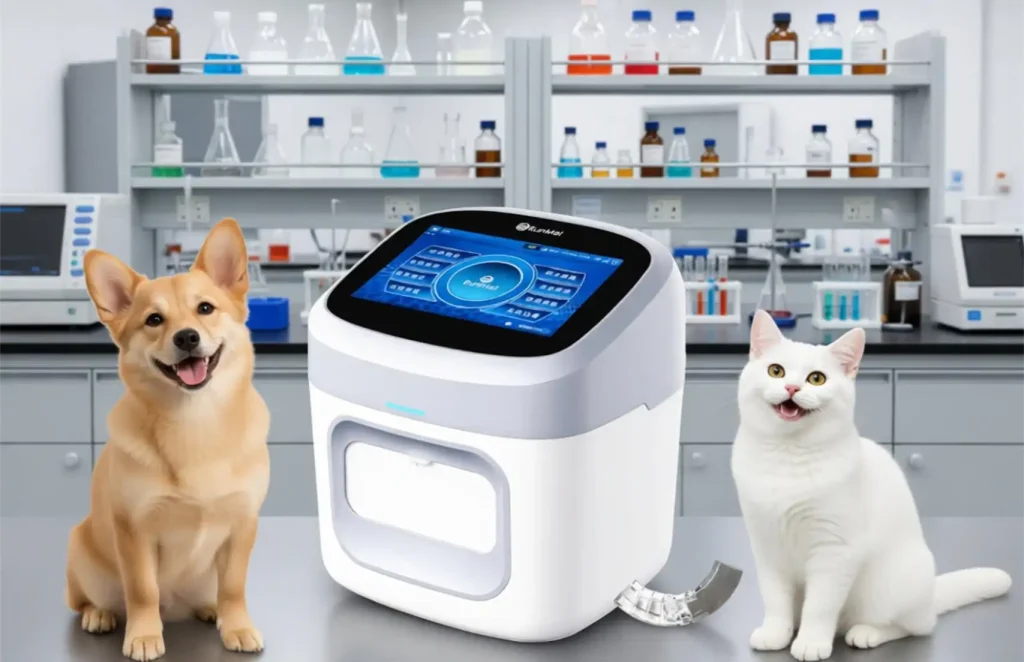
Rural elders carry multiple diagnoses and few diagnostic visits. The CBC turns every check-up into a meaningful review.
By Dr. Daniel Weiss, PhD (Biomedical Engineer) | Reviewed by Dr. Angela Reyes, MD (Infectious Disease Physician) | Published 2026-10-08 | Read time: ~7 minutes
The morning room smells of antiseptic and old paper. An elder’s hand rests on the counter, veins like thin cord; outside, a rooster calls, and a fan turns slowly in the heat. This is the geriatric clinic where CBC geriatric chronic disease management quietly happens — one check-up at a time, with a few drops of blood telling what the patient cannot easily tell us.
To understand why the CBC matters so much here, I sat down with the clinic’s lead clinician, Dr. Elena Ford, who has cared for rural elders for fifteen years. What follows is an edited interview on anemia, polypharmacy, the sample that never arrives, and the analyzer that changed her clinic.
The Morning Room: What the Elderly Clinic Looks Like
Interviewer: Start us with a typical morning. Dr. Ford: Our elders arrive with three or four diagnoses each and almost no recent blood work. They are on multiple medications, they tire easily, and they look ‘a bit pale’ to everyone. Before on-site testing, that is where it stopped — a guess and a referral. Now we run a CBC while they are here.
The scene is common across rural communities. Elders carry chronic disease, anemia and often silent infection, and they travel less as they age. A test sent away may come back too late, or not at all. WHO’s anaemia fact sheet reminds us that anemia is widespread and under-recognized in older populations. Dr. Ford adds that many of her patients have not had a blood count in years, so the first on-site result is often the first real picture their care has ever had.
What the Count Reveals in an Older Patient
Interviewer: What does the CBC show that you cannot see? Dr. Ford: It separates the tired elder who is mildly iron-deficient from the one with anemia of chronic disease, and it catches the low-grade infection a white-cell count reveals. As a New England Journal of Medicine review of anemia of chronic disease explains, anemia in older patients often reflects underlying disease rather than simple iron lack, so treating it blindly can miss the real problem.
Polypharmacy and the Blood Count
Dr. Ford continues: Many elders are on medications that affect the blood — anti-inflammatory drugs, blood thinners, long-term treatments. The CBC lets us watch platelets and hemoglobin over time. differential blood analyzers explained add the white-cell breakdown that helps us spot infection early, which is crucial when an elder’s fever comes late and atypical.
Dr. Ford: ‘Before, an elder said he felt tired and we nodded. Now we know whether his hemoglobin is drifting — and we act before he falls.’
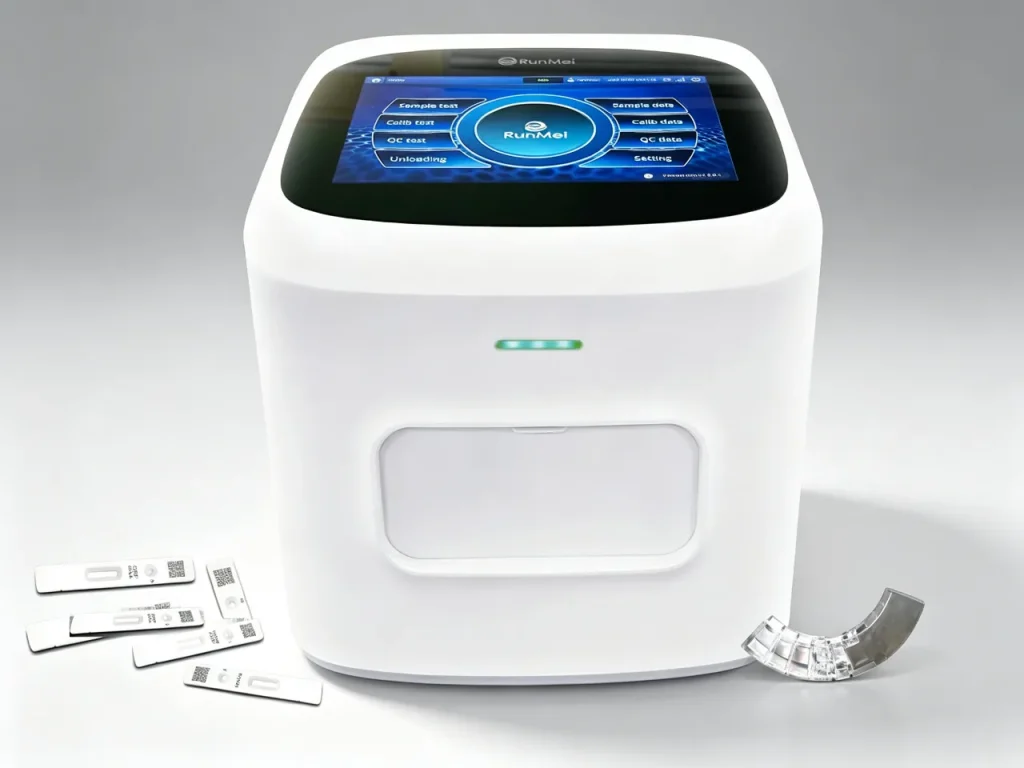
Figure 1: An on-site analyzer gives the geriatric clinic a same-day CBC for every check-up.
Image title: Hematology analyzer supporting chronic disease monitoring in a rural elder clinic | Alt text (web): hematology analyzer for CBC geriatric chronic disease monitoring in rural clinics
Structured data: ImageObject schema for this image is provided in the Technical SEO & GEO Package below.
The Sample That Never Arrived
Interviewer: Why on-site rather than sending samples out? Dr. Ford: We lost too many. why rural blood samples often never reach the lab — transport failed, the tube sat in heat, the result came back altered. For an elder who cannot easily return, a sample that does not arrive is a test that never happened. Running the CBC here removes that whole failure point.
On-site testing also changes follow-up. Chronic disease monitoring becomes a series of same-day numbers rather than isolated snapshots, so a declining hemoglobin or a rising white count is caught between visits, not discovered at an emergency. Dr. Ford notes that elders especially value not having to arrange transport for a lab visit they may not manage, so attendance at chronic-disease clinics improved once the test happened on the spot.
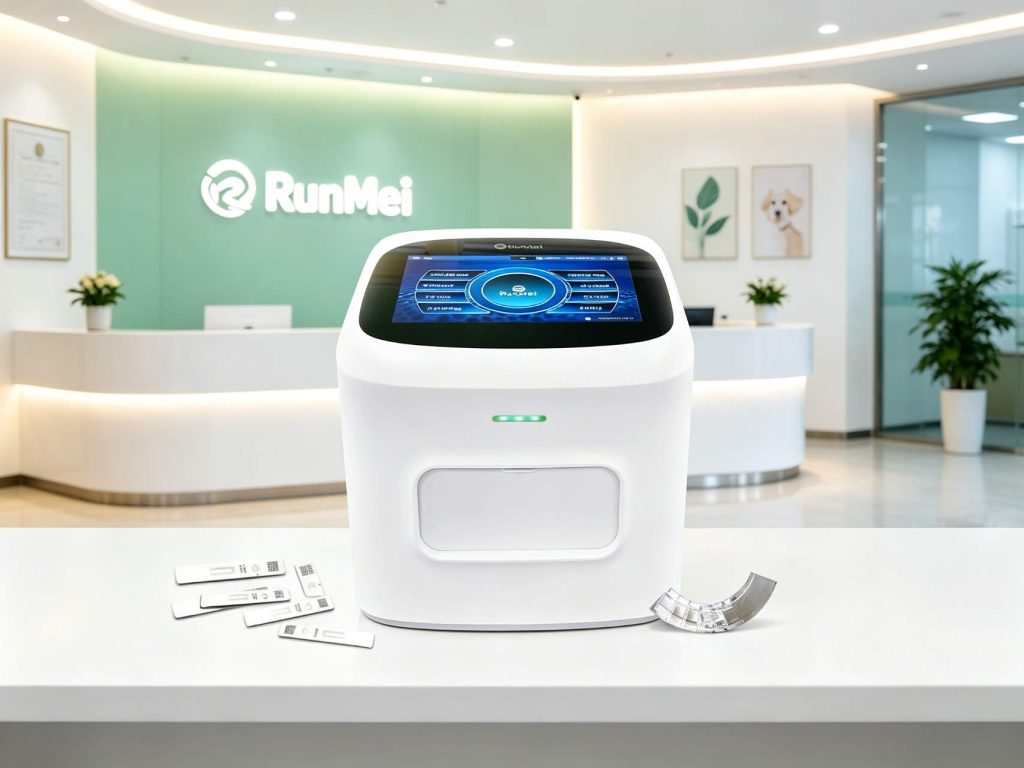
Figure 2: A portable analyzer brings repeat blood counts to elders who cannot travel easily.
Image title: Portable multi-function analyzer for elder home and outreach blood monitoring | Alt text (web): portable hematology analyzer for chronic disease blood monitoring in rural elderly care
Structured data: ImageObject schema for this image is provided in the Technical SEO & GEO Package below.
Which Analyzer Fits an Elder Clinic
Interviewer: How did you choose the machine? Dr. Ford: We looked for simple, low-sample-volume analyzers that staff could run reliably. 3-part hematology analyzers for rural healthcare met our basic needs, and the hematology analyzer buyer’s guide helped us weigh workflow against price. We also checked clearance status in the FDA’s 510(k) premarket notification database before committing.
Dr. Ford’s advice is practical: choose a device your smallest-staffed clinic can operate and maintain daily, because an unused analyzer is worse than none. For geriatric care, speed and repeatability matter more than the most exotic parameter. She also stresses that staff training and a simple quality-control log protect the elderly patients who depend on every number being right.
What Changes When the Count Is on the Spot
Interviewer: What is different now, a year later? Dr. Ford: We treat anemia early, we catch infections sooner, and our elders trust the clinic again. The CBC turns a friendly chat into a real medical review. This is exactly the first-level capacity the WHO Model List of Essential In Vitro Diagnostics expects primary care to provide.
The rooster is still calling outside, the fan still turns. But the elder’s hand on the counter now rests on a result, not a guess. That, in Dr. Ford’s words, is what geriatric care in a rural community should feel like: measured, timely, and close to home.
الأسئلة المتداولة
Why is a CBC important for elderly patients?
The CBC detects anemia, infection and blood-cell changes that aging and chronic disease cause but patients may not report. It turns a vague ‘tired’ visit into measurable monitoring and catches problems before they become acute.
Does polypharmacy affect the blood count?
Yes. Many medications taken long-term by elders affect hemoglobin, platelets or white cells. Serial CBCs help monitor these effects over time and flag when treatment needs prompt review.
Can a rural clinic run geriatric CBCs on site?
Yes. Compact analyzers that need only a small sample and return results in minutes are well suited to elder care, with trained staff and routine quality control. They also avoid the transport and travel barriers that prevent many elders from reaching a distant laboratory.
What should a clinic watch in older patients’ CBC trends?
Declining hemoglobin, low or rising platelets, and abnormal white-cell counts are key. Trends over time matter more than any single result, so on-site repeat testing is valuable. Sudden shifts warrant prompt review, especially in patients on multiple medications.
Conclusion
Geriatric care in rural communities depends on numbers as much as on kindness. The CBC supplies those numbers on the spot, turning each elder’s check-up into a review of anemia, infection and medication safety.
Dr. Ford’s clinic shows the result: earlier treatment, fewer surprises, and elders who are measured rather than guessed at. The morning room is unchanged — except that now, the hand on the counter means something. For rural elderly care, that quiet difference is the whole promise of on-site CBC testing, delivered close to home.
Disclaimer
This article is provided for general informational and educational purposes only and does not constitute medical advice, diagnosis, or treatment. Laboratory testing must be performed by trained personnel in accordance with applicable regulations, manufacturer instructions and local law. Always consult a qualified healthcare professional for clinical decisions. Product names and capabilities described may vary by market and regulatory clearance. RunMei Health does not warrant that any device is suitable for a specific facility or jurisdiction without professional evaluation.