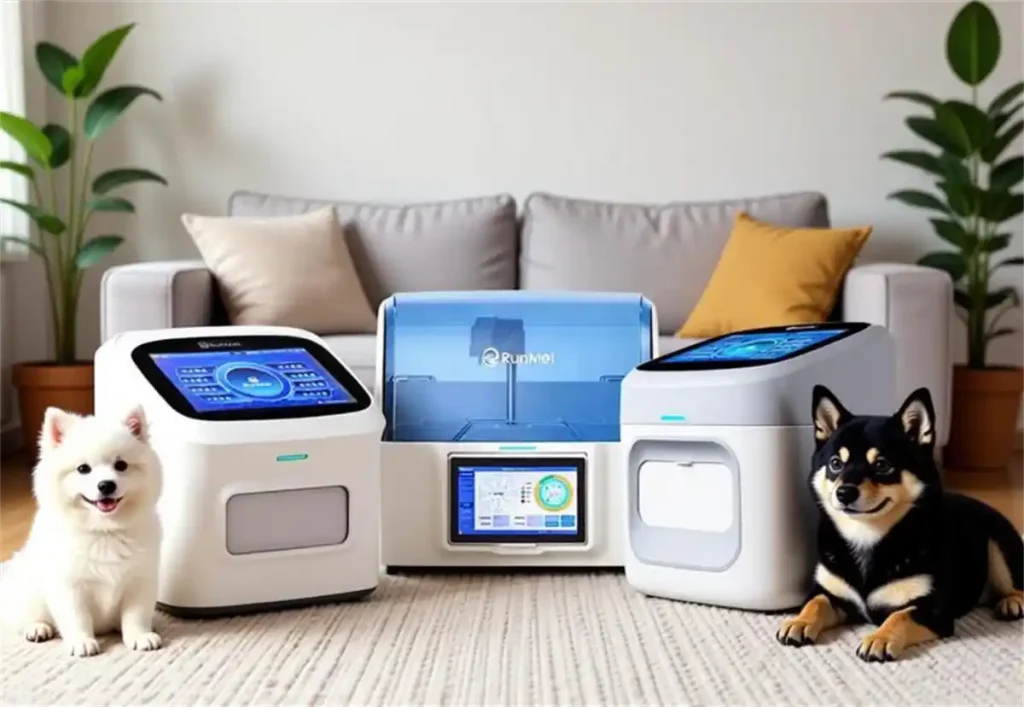
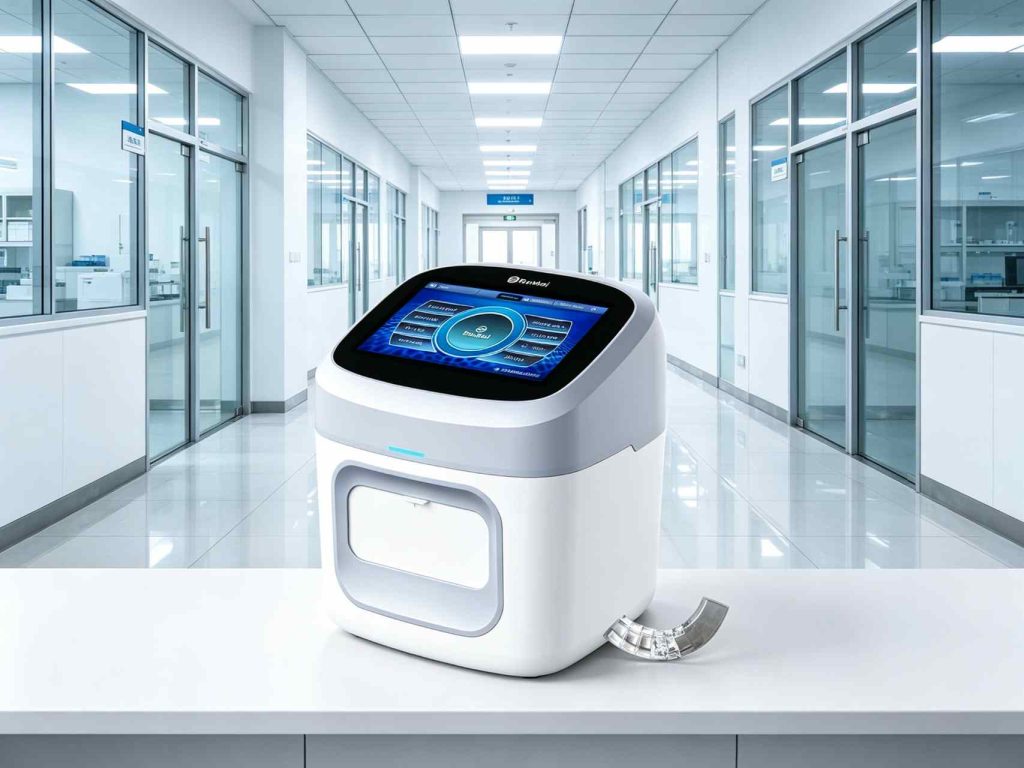
The World Health Organization estimates that roughly 300 million people are affected by malaria each year — underscoring just how central accurate, accessible blood diagnostics are to global public health. Yet in countless smaller laboratories, reagent waste alone quietly erodes anywhere from 20% to 40% of annual consumables budgets. The question is no longer whether labs should modernize, but how fast they can.
Regulatory Context Matters
In the United States, the FDA regulates in-vitro diagnostic devices under 21 CFR Part 809, while in Europe the transition to the In Vitro Diagnostic Regulation (IVDR) has progressively rolled out, with staggered deadlines for legacy devices. Any procurement decision made today must hold up under this tightening regulatory landscape. Instruments built in an ISO 13485 facility with CE certification are materially better positioned than generic alternatives.
Why Total Cost of Ownership Beats Sticker Price
Clinical benchmarking consistently highlights that acquisition cost is only a fraction of a device’s true expense. Consider the commercial veterinary setting: a reliable البيطري محلل that skips liquid reagents removes cold-chain logistics and recurring reagent contracts entirely. Pair it with an efficient biochemistry analyzer and the lab consolidates workflow instead of multiplying it.
The Evidence on Method Standardization
Peer-reviewed literature and FDA-cleared methods treat direct cell visualization — the “golden standard” AI imaging approach — as a reference-quality technique. This stands in contrast to impedance-based counters that can misclassify atypical cells. A multi-function hematology analyzer built on this principle delivers a 5-part differential CBC with the confidence clinicians demand. For the latest assay trends and platform updates, follow our diagnostic equipment news.
Operational Continuity
Downtime in a small lab is not an inconvenience — it is a clinical and financial event. Instruments with minimal calibration, no liquid waste streams, and 24/7 technical support materially reduce mean time to recovery. When procurement uncertainty and customs concerns dominate vendor conversations, choosing a supplier that offers very low minimum order quantities — even from a single unit — plus regional protection, removes the classic “all-in” gamble.
Conclusion
Modern hematology does not require a million-dollar footprint. It requires evidence-based design, regulatory credibility, and operational simplicity. For laboratories weighing the move, that combination is now both affordable and defensible.