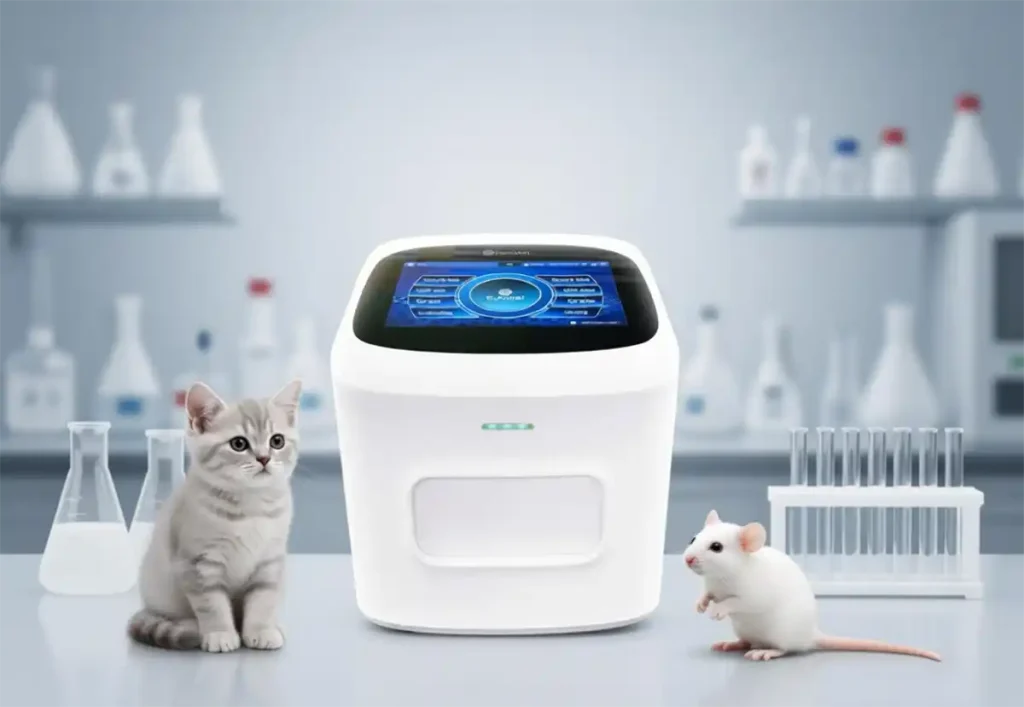
Picture a world where a community nurse anywhere on the planet can run a full blood count on a battery, with no reagent cold chain, no calibration specialist on call, and results on a screen in minutes. That future arrives sooner than most clinicians expect — and the haematology analyser is at its centre.
Three converging forces are reshaping in-vitro diagnostics. First, regulatory momentum: the FDA continues to treat IVDs as medical devices under 21 CFR, while Europe’s In Vitro Diagnostic Regulation (IVDR) has pushed manufacturers toward tighter, higher-evidence compliance. Second, cost pressure: healthcare systems everywhere are questioning the recurring consumable spend that ties them to proprietary reagents. Third, the WHO’s decades-long push for diagnostics at the point of need — exemplified by its work on malaria, where the WHO notes that a substantial share of the world’s population lives in areas at risk of transmission — demands instruments that survive heat, dust, and intermittent power.
The dry revolution
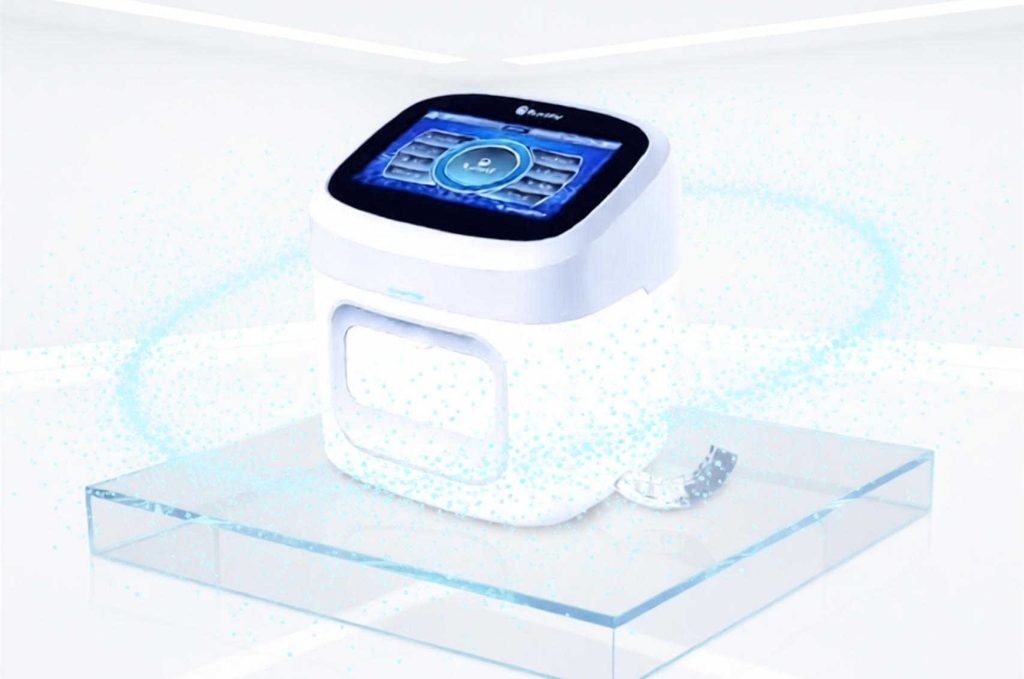
The single biggest shift is the move away from wet reagents. Conventional units from Brand A and Brand B need a constant supply of diluents and lysing agents, refrigerated storage, and careful disposal. The new wave pairs AI cell imaging with the No-Liquid System — no reagent flow path at all. The payoff is a lower per-test cost, less hazardous waste, faster daily start-up, and dramatically reduced maintenance. Where a traditional analyser might demand weekly cleaning rituals, a dry-imaging platform is substantially closer to walk-up-and-run.
One bench, many tests
The future analyser is also multifunctional. The same compact unit that returns a 5-part differential CBC can pivot to an immunoassay panel — blood haematology and immunology on one screen. Clinics increasingly pair this with a compact automatic biochemical analyzer for a broad test menu in a tiny footprint. Watch the IVD market trends and you’ll see this consolidation of functions — fewer machines, wider menus — as the dominant purchasing pattern for the decade.
Not just for humans
Veterinary medicine rides the same wave. Practitioners treating multiple species need species-flexible platforms rather than fixed single-species instruments, driving demand for a versatile veterinary blood analyzer. The regulatory and procurement holdover is the same story with a furrier cast: institutions still fear customs clearance and certification hurdles.
That is precisely why forward-looking buyers are choosing suppliers who de-risk procurement. A CE-marked, ISO 13485-certified point-of-care analyzer from the new generation addresses the compliance fears that stalled earlier purchases, while regional protection and a low minimum order quantity — from a single piece — let labs pilot before committing. For buyers who purchase with both eyes on 2030, blood testing equipment that is portable, dry, and multifunctional is no longer a niche choice; it is the strategic default. The only question is whether your lab adopts the future or waits for the future to arrive.