Meta description: Rural laboratory quality assurance: EQA and control programs for point-of-care blood analyzers. Trustworthy rural results need external quality assessment.
The result that must survive a challenge
The rural blood count is a clinical decision, and a clinical decision deserves the same quality assurance that the city laboratory provides: the controls that catch drift, the EQA panels that measure comparability, and the review that corrects the drift. The rural networks that skipped the quality ritual learned the cost in the quietest way: the results that nobody trusted, and the clinicians who repeated every count because the first one was suspect. A number nobody trusts is worth nothing, and the trust is built in the quality loop.
The control that fits the field
على quiet crisis of missed diagnoses in rural medicine has a quality dimension: the misread result is a missed diagnosis with a number attached. The networks have learned to fit the quality ritual to the field: control runs scheduled around the clinic’s rhythm, EQA panels delivered with the reagent shipment, and the review held by radio or at the quarterly meeting. The automatic hematology analyzer‘s control requirements are simple enough for the field, and the 10 reasons rural health centers are adopting point-of-care analyzers includes quality among them: the device that can be verified is the device that can be trusted.
The EQA network’s first cycle
The regional EQA networks report a first cycle that reads like every quality program’s first cycle: the surprises, the corrections, and the slow convergence. The rural operators who joined the network describe the change in their own practice: the control is no longer a formality, and the result is no longer printed without a question. The network’s comparative data have become the region’s quality authority, and the facilities that score well are the ones whose referrals the hospitals trust.
The point-of-care device’s quality architecture
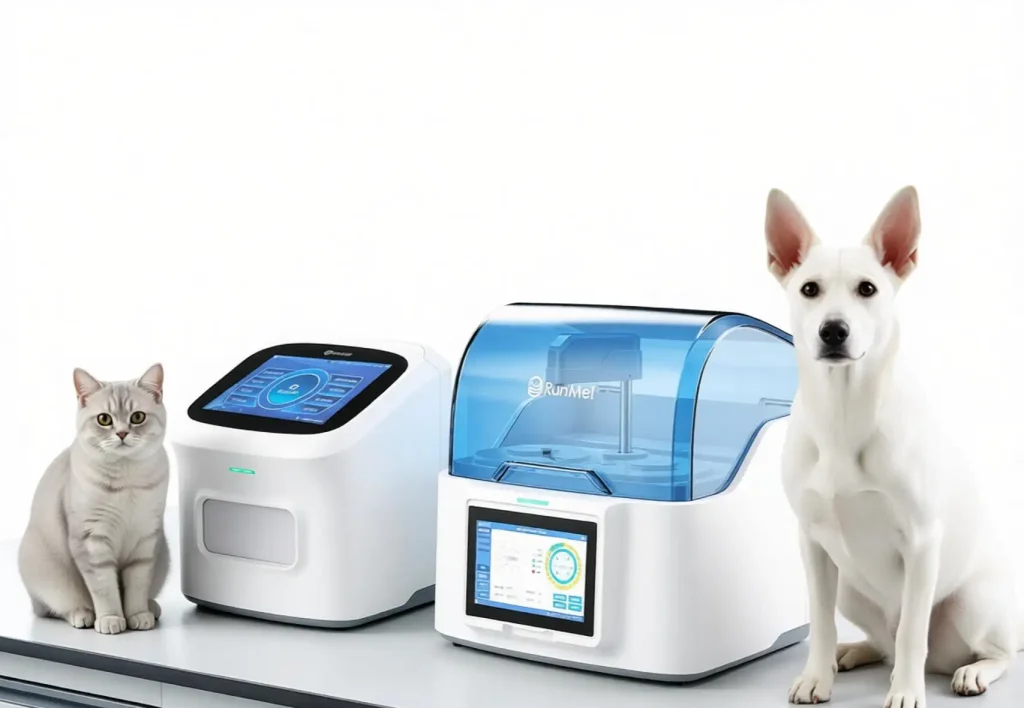
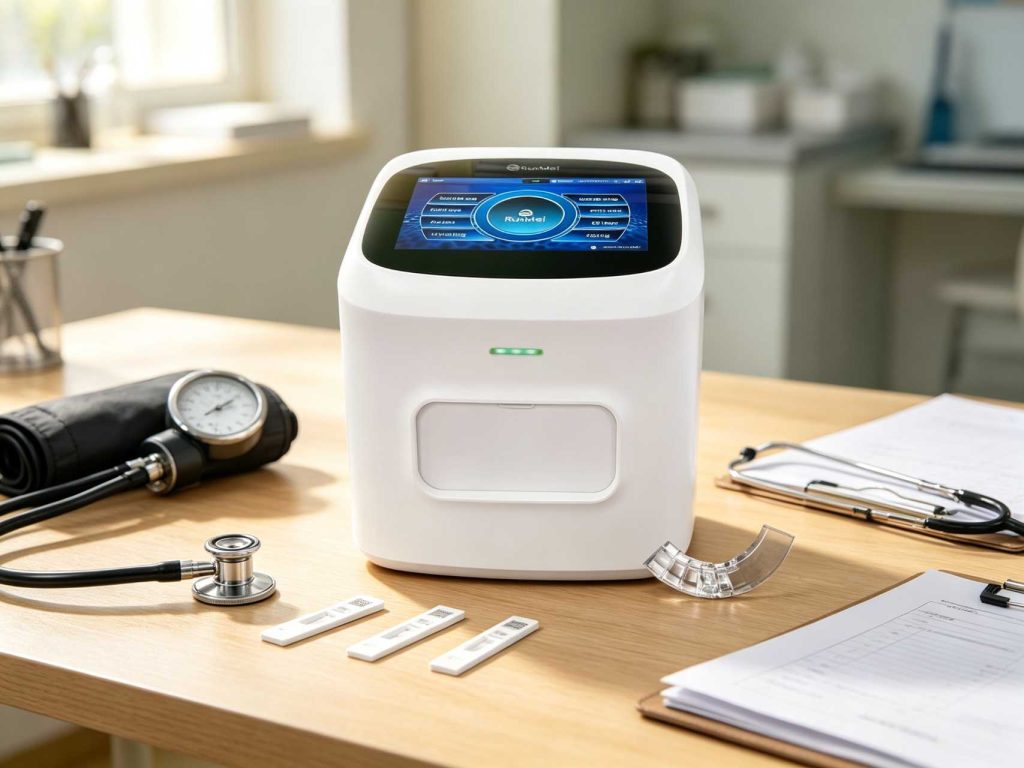
على point-of-care blood analyzer brings its own quality architecture: the onboard controls, the operator lockouts, and the flags that question the questionable result. The architecture does not replace the external loop; it makes the loop meaningful, because the device that flags its own errors is the device whose un-flagged results can be trusted. The rural network that pairs the architecture with the external loop has built the complete quality system, and the system is the difference between a result and a truth.
The trust that compounds
Quality assurance compounds: the control that is run builds the habit, the habit builds the network, the network builds the comparability, and the comparability builds the trust that the referral system depends on. The rural networks that entered the quality loop report a quiet transformation: the hospitals stopped repeating the rural counts, the clinicians stopped doubting the rural results, and the rural operators stopped being the system’s junior partner. The quality loop is the rural laboratory’s declaration of professionalism, and the declaration is renewed with every control run. A number that is trusted is a number that works, and the rural world is learning to make its numbers trustworthy.
The district review as the ritual
The district quality review has become the network’s ritual: the control logs collected, the EQA scores compared, and the outliers discussed with the operator, not against the operator. The reviews that began as audits have become teaching sessions, because the networks learned that the operator who understands the drift is the operator who prevents it.
The ritual’s effect is visible in the network’s trend data: the EQA scores converge, the repeated counts decline, and the hospitals’ trust in the rural columns rises. The review is the quality loop’s heart, and the loop is the network’s institution. The district that reviews quarterly is the district whose numbers the whole system can use, and the ritual is the reason the numbers are worth using.
The supervisor’s new visit
The district supervisor’s visit has changed character since the quality loop began: the visit that used to inspect the facility now reviews the controls with the operator, and the inspection form that used to check the shelves now carries the EQA scores. The supervisors describe the change as the loop’s quietest victory: the conversation is about the numbers now, and the numbers are the operator’s own work. The visit that was once an audit has become a coaching session, and the coaching is the loop’s real product.