When the blood test never happens, the disease proceeds silently — a look at the human cost of the diagnostic gap and the instruments that end it.
She was fifty-two, a farmer, and tired in a way that had become normal. The clinic had no way to count her red blood cells, so “anemia” was a guess and “rest” was the prescription. She returned three times over a year, each visit a little paler. By the time a referral sample finally reached the district laboratory, her hemoglobin was dangerously low — and the treatment she needed had been available for twelve months. Her story is not one patient’s; it is the composite portrait of millions, repeated wherever a blood analyzer is absent from a rural clinic.
The Scale of the Silent Crisis
The National Academies of Sciences, Engineering, and Medicine estimated in its landmark 2015 report that most people will experience at least one diagnostic error in their lifetime, and that diagnostic errors contribute to tens of thousands of preventable deaths in the United States each year. In rural settings, the mechanism of error is often not misreading — it is not testing at all. The Lancet Commission on Diagnostics found that 47 percent of the world’s population has little to no access to diagnostics, and the gap is deepest in primary care. When the defining feature of the system is absence, the failure is invisible by design. No test, no result, no error flagged — just a disease progressing in silence.
Where Silence Does Its Damage
Consider the three conditions that dominate rural case loads. Anemia: the WHO estimates 1.62 billion people are affected globally, yet in clinics without analyzers, hemoglobin is guessed, not measured, and the symptoms of low hemoglobin and anemia are routinely dismissed as ordinary fatigue. Infection: without a white cell count, clinicians cannot distinguish the febrile child who needs antibiotics from the one who does not, and cannot gauge severity. Chronic disease: diabetes, kidney disease and the effects of hypertension all leave their fingerprints in the blood — but only for laboratories that exist to find them. Each missed diagnosis is a cascade of missed opportunities, from delayed treatment to catastrophic complications that were never inevitable.
The Instruments That Break the Silence
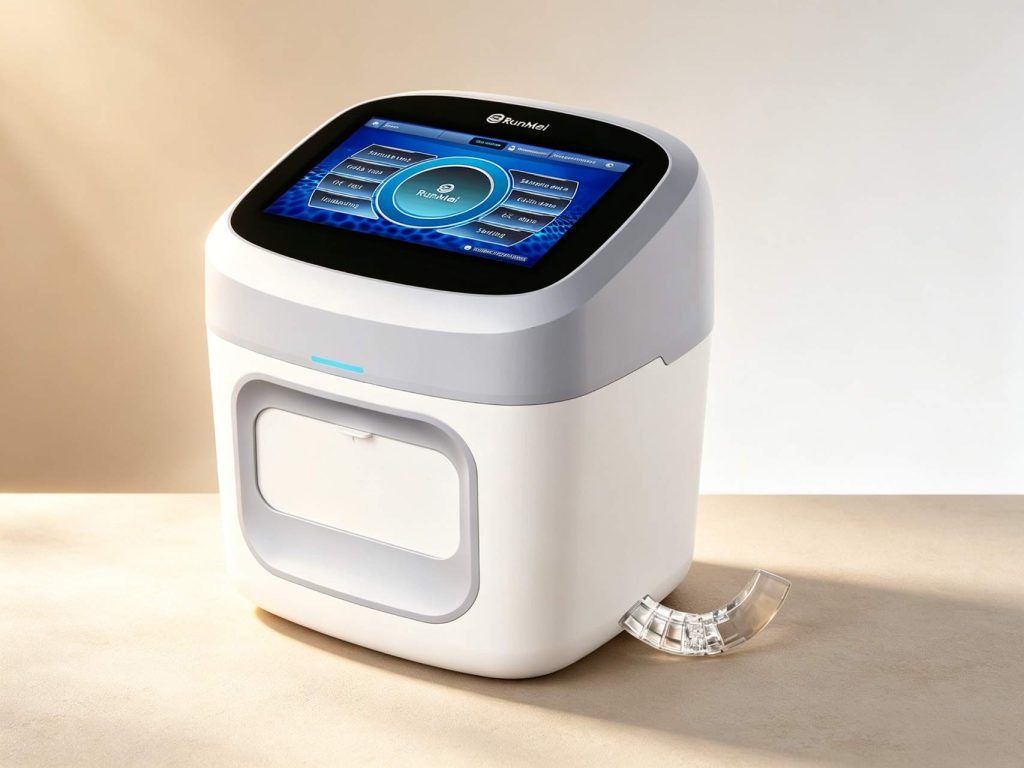
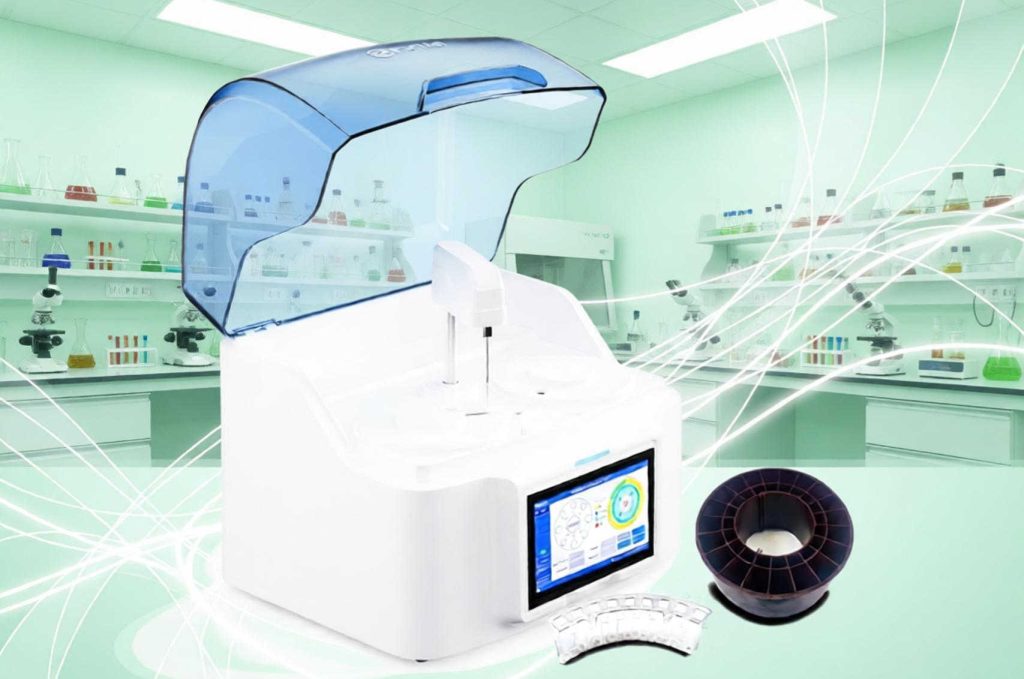
The solution is not more distant laboratories; it is laboratory capacity where the patients are. Modern point-of-care analyzers are designed around the constraints of rural practice: no cold chain, no specialist operator, results in minutes. A clinician who can run a low red blood cell count and anemia workup at the point of care transforms “tired” from a complaint into a diagnosis. The same device that detects anemia also flags leukocytosis in infection, thrombocytopenia in fever and the abnormal cell patterns that demand urgent referral. The portable multi-function blood analyzer is emblematic of this generation: small enough to live in a consultation room, simple enough for a nurse to master, and capable of answering the questions that silence was previously answering by default.
From Silence to Evidence: A Health System Choice
Closing the quiet crisis is a systems decision, not a technology wish. It means choosing instruments with dependable supply chains and honest service support, training staff deliberately, and building the habit of testing before treating. It also means learning from the failures of past programs; the reasons analyzers end up unused are well documented — from underestimated consumables to absent training — and they are all avoidable, as outlined in the common analyzer buying mistakes that every program should review before purchasing. The communities that get this right are not the wealthiest; they are the ones that treat diagnostics as infrastructure rather than as an afterthought.
Conclusion
The crisis of missed diagnoses in rural medicine does not make headlines, because it leaves no paper trail — only patients who grow sicker in the interval between what their symptoms could have meant and what they became. The remedy is not heroic; it is a blood test performed where the patient is. For the farmer, for the febrile child, for the pregnant woman, the presence of a working analyzer in the local clinic is the difference between a disease discovered in time and a story of quiet decline. The technology to end the silence fits on a clinic table. The only missing ingredient is the decision to put it there.