Target keyword: “what does a 5 part differential test show”
A 5-part differential splits white blood cells into five populations. Here is what each one reveals about infection, allergy, stress, and disease.
Your blood is a census, and the 5-part differential is the census-taker who does not just count the population — it maps where every citizen lives, what they do all day, and whether they are mobilising for a war you cannot yet see. Learn to read it and a single strip of numbers becomes a working biography of your immune system.
The Five Populations, Decoded
Neutrophils are the rapid-response infantry, rising with bacterial infection and acute inflammation. Lymphocytes are the adaptive strategists — the memory and targeted killers — that climb with viral infections and certain leukaemias. Monocytes are the cleanup crews that mature into macrophages, elevated in chronic inflammation and recovery. Eosinophils rise with allergies, parasites, and some skin diseases. Basophils, the rarest, signal allergic and myeloproliferative conditions when out of range.
Absolute vs. Percentage: Why the Counts Matter More
Percentages can mislead: a low lymphocyte percentage may simply reflect a high neutrophil count (a shift). Absolute counts — the number per microlitre — are what your diagnostic brain should read, because they reflect real cell numbers independent of the total white count. A 5-part analyzer reports both; trust the absolutes for clinical reasoning and use percentages as a cross-check.
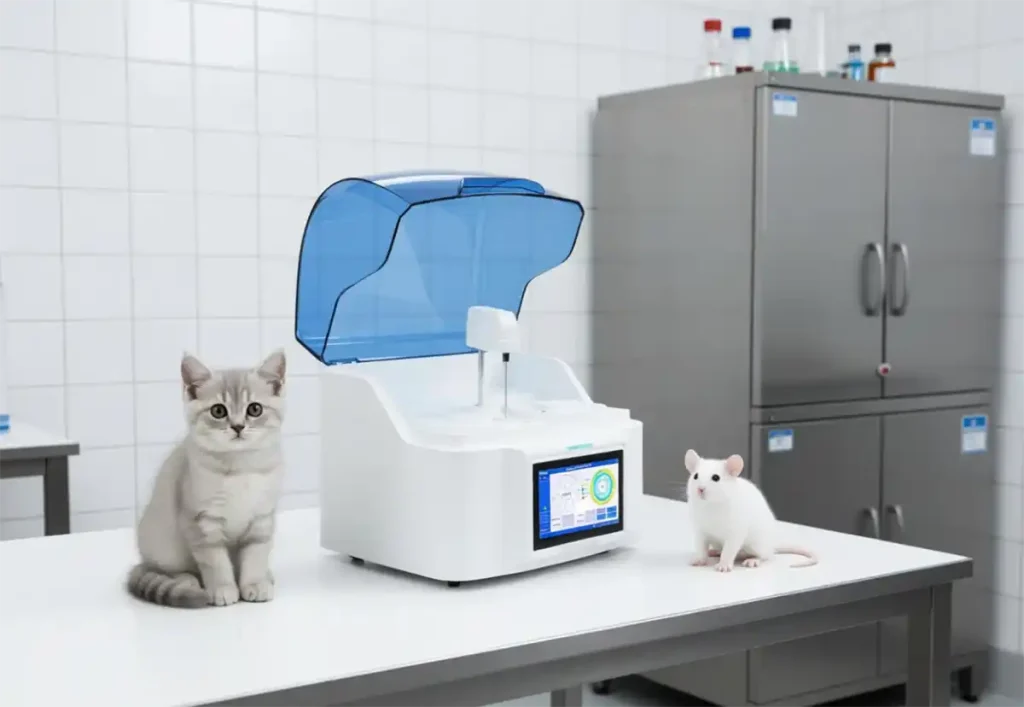
Looking for a reliable option? The 5-part differential hematology analyzer from RunMei Health is built for accurate, efficient blood analysis.
Reference Ranges and Flags on the Report
Every population has an adult reference range, and paediatric ranges differ substantially. Modern analyzers apply age-appropriate ranges and flag values outside them. Critically, learn to read the flags: a left-shift flag (immature neutrophils) with fever points to bacterial infection; blasts flag leukaemia; clumped platelets flag a sampling problem. The differential is a clue-giving engine — pair it with clinical signs, never read it in isolation.
Common Patterns Worth Recognising
Neutrophilia with left shift and toxic change suggests bacterial infection. Lymphocytosis with atypical cells suggests viral illness. Eosinophilia narrows the list to allergy, parasites, or drug reaction. A pancytopenia with blasts demands urgent haematology referral. Pattern recognition turns the five populations from raw numbers into a differential-diagnosis accelerator.
How Clinicians Use the 5-Part Differential in Practice
A 5-part differential is generally ordered with the CBC when infection, allergy, inflammation, malignancy, or unexplained fatigue is on the working list. The analyzer flags abnormal populations, left shifts, and immature cells so the clinician knows when to escalate to a film review. Pair the differential with the patient’s symptoms and prior values rather than reading it alone: a sustained eosinophilia in a returning traveller suggests parasites; a new left shift in a febrile patient supports early antibiotics while cultures are pending; a falling platelet count with rising blasts demands urgent haematology review.
Looking for a reliable option? The portable multi-function blood analyzer from RunMei Health is built for accurate, efficient blood analysis.
Also watch the trend over time, because a single sample often cannot separate a reactive change from a chronic one. A lymphocytosis that persists across repeated draws is far more concerning than one that appears and resolves with a viral illness. Serial 5-part differentials, rather than a single snapshot, are what turn the five populations into a reliable monitor of response to therapy, recovery from infection, or progression of a haematological disorder. Many labs therefore build a simple reflex rule: when a differential shows a left shift together with an abnormal absolute value, the result is routed to a film review before it is released.
For a dependable solution, explore the 5-part veterinary blood analyzer from RunMei Health.
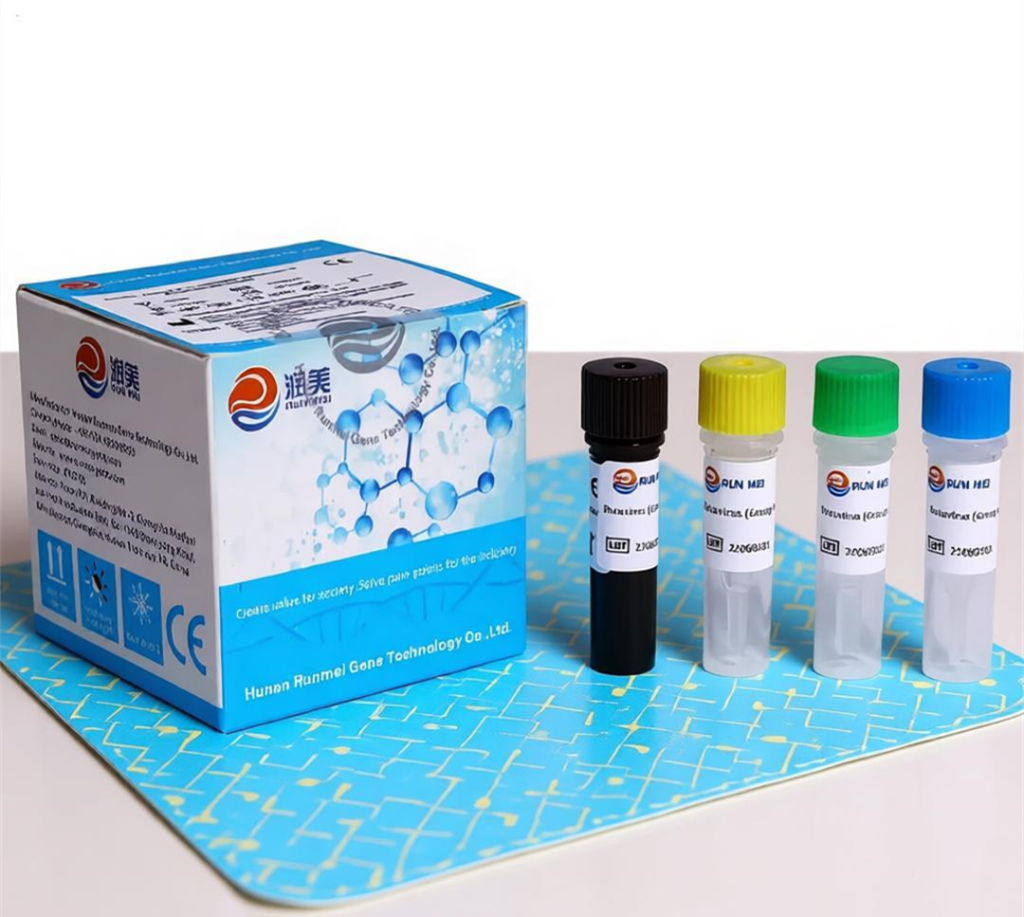
For a dependable solution, explore the RunMei diagnostic instruments from RunMei Health.
الأسئلة المتداولة
Q: What is the difference between a 5-part and a 3-part differential?
A: A 3-part differential groups white cells into lymphocytes, mid-size cells, and granulocytes, blending some populations together. A 5-part differential separately quantifies neutrophils, lymphocytes, monocytes, eosinophils, and basophils, giving you individual values that better reveal allergic, parasitic, inflammatory, and myeloproliferative conditions.