Meta Title (≤60 chars): Running a Blood Analyzer Without Reliable Electricity: Power Options for Off-Grid Clinics
Meta Description (≤155 chars): Off-grid clinics can run blood analyzers on solar, battery and low-power systems. Learn the power math and options that keep CBC testing alive.
Target Keywords: solar powered blood analyzer, off-grid hematology analyzer power, blood analyzer battery backup, low power blood analyzer
By RunMei Health Team | Published: September 18, 2026 | Reading time: ~6 min
The consultation room has no ceiling light, the refrigerator runs on gas, and the only outlet hums and flickers. In this room a blood analyzer must produce a reliable result on demand — for a febrile child at noon, for a pregnant woman at dusk, for an emergency at midnight. The power problem is the first problem in rural diagnostics, and it is solvable. Solar panels, batteries, and analyzers engineered for low consumption have changed the answer to a question that used to end with “we cannot.” Electricity is the silent prerequisite of modern diagnostics, and in rural settings it is the least reliable one. the NEJM review of point-of-care testing documents how field constraints, including unreliable power, shape the instruments that succeed in low-resource settings The clinic that plans its analyzer around an unsteady grid — or no grid at all — must design the power solution into the purchase from the first day, not bolt it on after the first outage.
What the Analyzer Actually Needs From the Grid
The starting point is honesty about demand. A modern compact hematology analyzer draws modest power — comparable to a laptop — during operation, and a few watts on standby. The components that need protection are the electronics and the counting accuracy: voltage spikes, brownouts, and sudden cutoffs corrupt results and shorten instrument life.
The first upgrade is the cheapest: a voltage stabilizer or surge protector between the wall and the analyzer. Many “power failures” that break instruments are not outages at all, but unstable voltage. Protecting against fluctuation prevents most hardware damage and most phantom instrument faults.
The Power Stack: Four Layers of Resilience
Layer 1 — Grid With Stabilization
Where the grid exists but misbehaves, a stabilizer plus a small uninterruptible power supply (UPS) covers the 90% case: short blips and brownouts become non-events, and the UPS gives time to finish a run cleanly during longer outages.
Layer 2 — Battery Backup
For clinics with a few hours of daily outages, a UPS with adequate battery capacity — or a dedicated deep-cycle battery system — carries the analyzer through the gap. Sizing the battery to the analyzer’s draw plus a margin of lights is a simple calculation any supplier can support.
Layer 3 — Solar-Powered Systems
For clinics with no grid or very unreliable supply, a small solar array with battery storage is now a standard, affordable solution. A system sized to run the analyzer, a centrifuge, and basic lighting for a day of work costs a fraction of the analyzer itself and frees testing from the grid entirely. WHO’s work on primary health care and digital health emphasizes that technology choices must fit the realities of low-resource facilities, including their power infrastructure.
Layer 4 — Low-Power Instrument Design
The final layer is choosing equipment that respects the power reality. Analyzers with efficient power supplies, low standby consumption, and tolerant input ranges (for example 100–240V) are dramatically easier to keep running. Some portable systems run on internal batteries for hours — designed for outreach, they are equally at home in an off-grid clinic.
Power Math for a Typical Rural Clinic
- Analyzer operating draw: 60–150 W depending on model and mode.
- Stabilizer/UPS layer: protects ~90% of voltage events at low cost.
- Solar system: 300–600 W panel + 200 Ah battery + inverter runs analyzer, lights, and fridge essentials.
- Portable battery instrument: several hours of operation without any external power.
The numbers are planning guides, not fixed rules — climate, hours of operation, and other loads shift the design. The principle is fixed: size the power system to the worst week, not the best day, and the analyzer works in the rainy season too.
Don’t Let Power Fear Decide the Purchase
Too many clinics avoid buying an analyzer because of power worries, when the real cost is the referral system that replaces it. A portable multi-function analyzer with battery-tolerant design like the BCA-320 is an excellent first machine for a power-constrained clinic. For clinics integrating biochemistry alongside CBC, the ACA-820 mini fully automatic biochemical analyzer extends the same low-footprint logic to a wider test menu.
Power is an engineering problem, and engineering problems have designs. Once the stabilizer, battery, or solar layer is in place, the analyzer runs on the same schedule as the clinic — not on the schedule of the grid. RunMei’s guide to analyzer accuracy and total cost includes power-related total-cost-of-ownership considerations.
The Failure Modes of Rural Power
Rural power fails in characteristic patterns, each with its own consequences for the analyzer. Scheduled load-shedding interrupts the day predictably but inconveniently. Unscheduled outages strike mid-run, risking incomplete results and instrument states that demand operator attention. Voltage fluctuation — brownouts and surges — damages electronics gradually, wearing out power supplies long before their expected life. And in the most remote settings, the grid may be absent entirely, leaving the clinic to generate its own power or go without.
Each failure mode has a mitigation, and the mitigations compound: a voltage stabilizer protects against fluctuation, a UPS carries the instrument through short outages and enables clean shutdown, a battery bank or solar system extends operation through longer interruptions, and a generator covers the full clinic day. The reagent-free analyzer design reduces the power and logistics burden of the testing operation.
Designing the Power Solution With the Purchase
Power planning belongs in the procurement conversation, not after it. The questions are concrete: what is the instrument’s power draw, what voltage tolerance does it document, what does a clean shutdown require, and what consumables or reagents have cold-chain or power dependencies that complicate an off-grid operation? The answers shape the specification — an analyzer selected for low, stable power demand extends battery life and shrinks the generator’s fuel bill.
The clinic that designs power into the purchase gets an analyzer that runs when the grid falters; the clinic that ignores power gets an expensive ornament during exactly the hours it is needed most. The difference is planning, and planning is free.
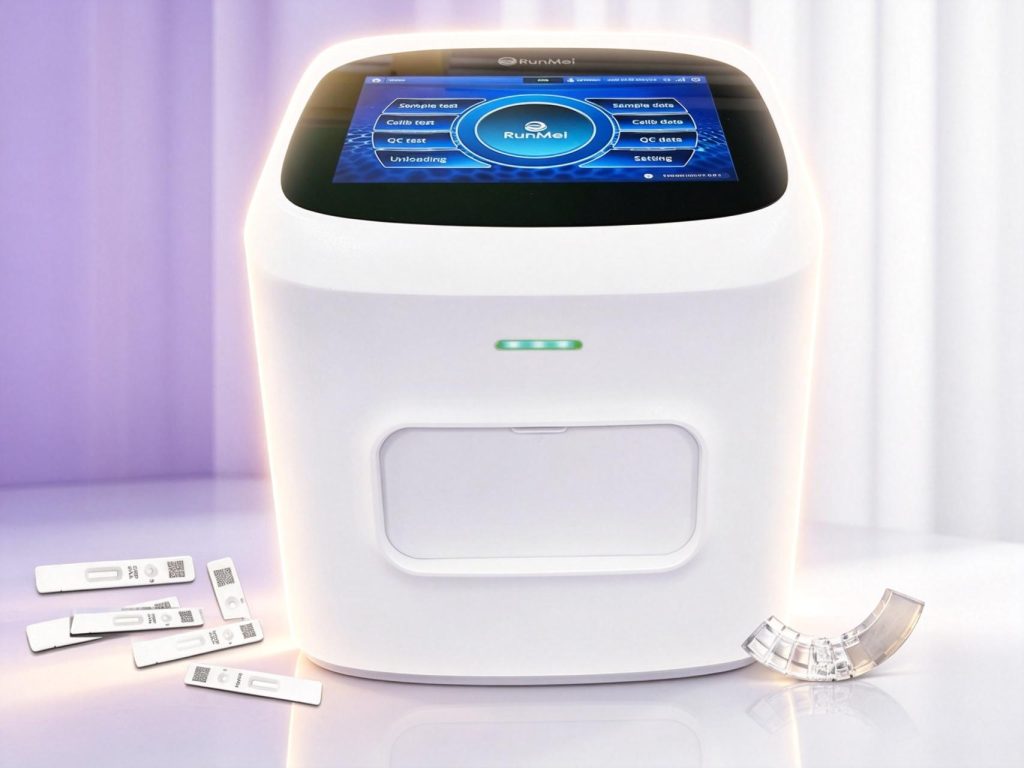
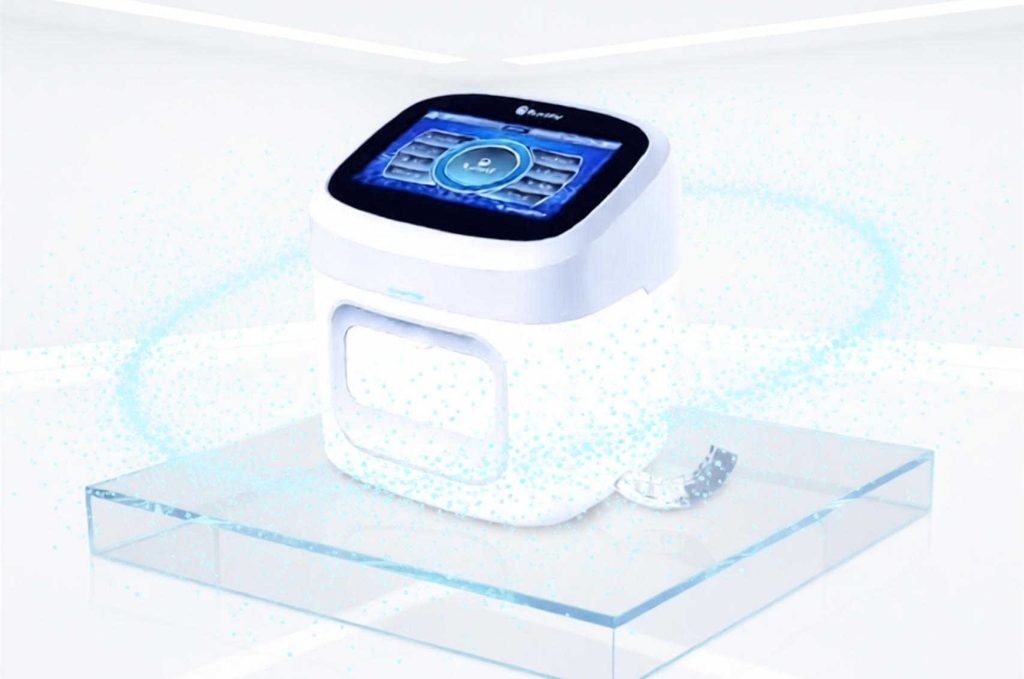
Figure 1: Voltage protection and low-power design keep automatic blood analyzers reliable on unstable rural grids.
| Recommended File Name | runmei-automatic-hematology-analyzer.jpg |
| Image Title | Blood analyzer powered by stabilizer for unstable rural grids |
| Alt Text (keyword-rich) | automatic blood analyzer with voltage stabilizer power protection in a rural clinic |
| Image Caption | Voltage protection and low-power design keep automatic blood analyzers reliable on unstable rural grids. |
| Structured Data | ImageObject JSON-LD embedded in Article schema (see Structured Data section) |
| Format / Size | JPEG, 1200×900, ~65-90 KB, lossless web-optimized |

Figure 2: Battery-capable portable blood analyzers extend testing hours in clinics without reliable grid power.
| Recommended File Name | runmei-portable-multi-function-analyzer.jpg |
| Image Title | Battery powered portable blood analyzer for off grid clinics |
| Alt Text (keyword-rich) | battery powered portable blood analyzer operating in an off grid rural clinic |
| Image Caption | Battery-capable portable blood analyzers extend testing hours in clinics without reliable grid power. |
| Structured Data | ImageObject JSON-LD embedded in Article schema (see Structured Data section) |
| Format / Size | JPEG, 1200×900, ~65-90 KB, lossless web-optimized |
Electricity was never the real barrier; the barrier was designing around it. With stabilizers, batteries, solar, and analyzers built for the real world, off-grid clinics deliver the same complete blood count as the city hospital — and they deliver it on time, every time, grid or no grid.
الأسئلة المتداولة
Can a blood analyzer run on solar power?
Yes. A small solar array with battery storage sized to the analyzer’s draw, plus basic lighting, is an established solution for off-grid clinics. Low-power analyzers make the solar system smaller and cheaper.
How much power does a hematology analyzer use?
A compact automatic analyzer typically draws 60–150 W during operation and a few watts on standby — comparable to a laptop. This modest demand makes battery and solar support practical.
What is the cheapest protection for a blood analyzer against power problems?
A voltage stabilizer or surge protector, plus a small UPS for short outages. Most power-related instrument damage comes from voltage fluctuation rather than complete outages, so stabilization is the highest-value first step.
Which blood analyzer is best for a clinic with frequent power cuts?
Choose a model with wide input-voltage tolerance, low power consumption, and battery support if available. Portable instruments designed for outreach often have the most forgiving power requirements.
References and Sources
- Authoritative sources cited in this article:
- Related RunMei Health resources referenced in this article:
[L1] portable multi-function analyzer with battery-tolerant design like the BCA-320
[L2] ACA-820 mini fully automatic biochemical analyzer
[L4] The reagent-free analyzer design reduces the power and logistics burden of the testing operation
Disclaimer
This article is provided for informational and educational purposes only and does not constitute medical advice, diagnosis, or treatment. Always consult a qualified healthcare professional for clinical decisions. Product names, performance figures, and regulatory statements are provided in good faith based on publicly available information and manufacturer documentation at the time of writing; verify current specifications, clearances, and country-specific registration status with the manufacturer or your local regulatory authority before purchase or use. Mention of any third-party organization (FDA, WHO, NEJM, and others) refers to their publicly published materials and does not imply endorsement of any product or company. RunMei Health is a manufacturer of in vitro diagnostic analyzers; information in this article may reference RunMei products and should be evaluated accordingly.
Body word count: 1047 words (target range 1000–1400) | Total including FAQ: 1208 words