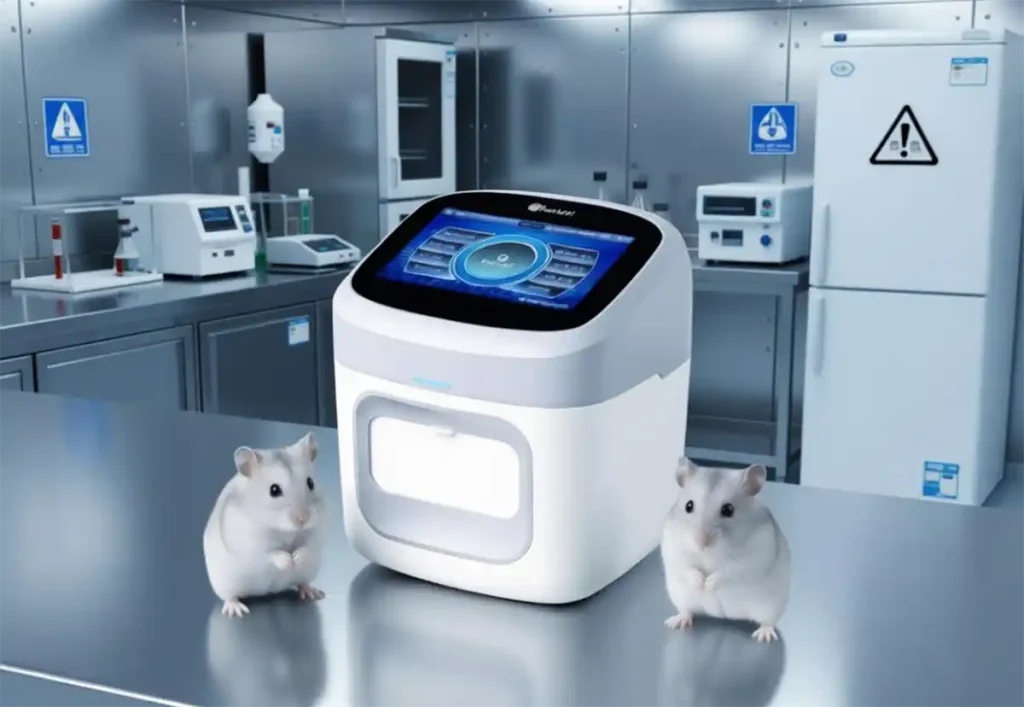
Meta Title (≤60 chars): Rural Nigeria Needs Blood Analyzers: Malaria and Anemia
Meta Description (≤155 chars): Nigeria carries a quarter of the world’s malaria cases, and anemia travels with it. Here is why rural clinics need blood analyzers for on-site CBC testing.
Target Keywords: blood analyzer Nigeria, CBC for malaria diagnosis, hematology analyzer rural Africa, anemia testing community clinics
By RunMei Health Editorial Team | Published: September 18, 2026 | Reading time: ~5 min
One in four. That is Nigeria’s share of the world’s malaria cases, according to the WHO World Malaria Report, and the country accounts for roughly three in ten malaria deaths globally. Now stack a second number on it: the WHO estimates that about 40% of children aged 6-59 months worldwide are anemic, and across much of sub-Saharan Africa the prevalence runs higher still. Put the two together and you get the daily reality of a rural Nigerian health post: a feverish child, pale eyelids, a mother who has walked two hours, and no way to tell whether malaria, anemia, or both are draining the child’s blood. A compact blood analyzer does not solve Nigeria’s health system. It solves this specific, repeated, life-shaping moment.
The double burden that keeps rural clinics guessing
Malaria and anemia do not arrive as separate problems. Plasmodium parasites destroy red cells directly, while chronic malaria, poor nutrition, and hookworm push hemoglobin down through other routes. In children, the two conditions reinforce each other: an anemic child tolerates a malaria infection worse, and repeated infections keep hemoglobin low. The WHO notes that in high-burden African countries, malaria and anemia share the same patients, the same season, and often the same consultation.
Clinical guidelines ask clinicians to confirm what they treat, but a rural post without laboratory equipment cannot. The result is syndromic care: every fever gets an antimalarial, every pale child gets iron, and the patient whose pallor comes from something else entirely leaves with the wrong prescription.
Why a complete blood count belongs in the workup before treatment
What malaria does to the blood picture
A complete blood count (CBC) measures red cells, hemoglobin, white cells, and platelets – exactly the parameters malaria and anemia disturb. A 2024 study of children at the Nkwen District Hospital in Cameroon found that malaria-positive children had significantly lower red blood cell counts, hemoglobin, hematocrit, and platelet counts than malaria-negative children, while white cell and granulocyte counts rose with parasitemia. In other words, the blood tells on the parasite.
That pattern matters clinically. A platelet count below 100,000 with fever is a classic flag for malaria in endemic regions, and a severely low hemoglobin changes management immediately: the child needs transfusion or referral, not just another antimalarial. Brand A’s single-parameter hemoglobin meter can measure one number, but it cannot show the white cell and platelet picture that separates a simple infection from a complicated one.
What happens when the count is missing
Without testing, every decision leans on probability. Antibiotics get prescribed for viral fevers because the clinician cannot rule out bacterial infection. Transfusion decisions wait until the child is visibly white. Referrals happen late, after the clinic has already spent days treating the wrong disease.
Public-health studies across West Africa keep reporting the same finding: only a small share of patients at primary-care level have access to appropriate diagnostics – the 2024 report “The diagnostics deficit” from Impact Global Health put the figure at roughly 19% across Africa. Nineteen percent. The other 81% are managed on guesses, and the cost of guessing is paid in delayed treatment and preventable deaths.
What an on-site blood analyzer actually changes
When a rural clinic runs its own CBC, the turnaround collapses from days to minutes. The clinician sees the hemoglobin and platelet results before the patient leaves the room and can treat, refer, or reassure on the spot. Researchers Ilesh Jani and Trevor Peter argued in the New England Journal of Medicine that point-of-care testing drives innovation in health systems precisely because it increases testing rates, exposes weaknesses, and pulls better care into clinics – a cascade that starts with one working device.
Modern compact analyzers fit this setting: small enough for a health post bench, simple enough for one trained staff member, and priced for facilities that have never owned laboratory equipment. A facility that starts with an automatic hematology analyzer gains the CBC; one that adds a portable blood analyzer for outreach gains the village circuit as well.
Choosing a hematology analyzer for a Nigerian rural clinic
The right device depends on volume, power, and supply chain, not on the brochure. A clinic seeing 30-60 CBCs a week needs a different machine than a district hospital running 200. Before purchase, weigh these factors:
- Estimated weekly CBC volume and peak-hour demand (market-day Mondays are real).
- Power reliability and whether the analyzer accepts battery or solar input for supply cuts.
- Reagent availability and cold-chain requirements in your state or county.
- Local service support, warranty terms, and training included in the price.
- Consumables cost per test, because that is what the facility will actually pay month after month.
Procurement teams can compare models across the blood analyzer product range and should ask every vendor – RunMei included – for the same numbers: throughput, reagent stability, calibration frequency, and mean time between failures.
The first ninety days that decide everything
The difference between a working analyzer and a shelf ornament shows up in the first quarter. Clinics that name one operator, schedule reagent orders before the buffer runs out, and agree on a maintenance rhythm see their machine still running in year two; clinics that skip these details watch it fail in month four and blame the equipment. Implementation, not hardware, is where programs succeed or die.
There is also the human detail that procurement manuals miss: the clinician who feels confident with the device orders more tests, and every extra test teaches the community something. The county that pairs machine delivery with a two-day training, a poster of reference ranges on the wall, and a phone number for support multiplies the device’s value several times over.
The planning conversation has changed
None of this means every Nigerian clinic should order an analyzer tomorrow; it means the planning conversation has changed. The question is no longer whether rural clinics deserve a blood count, but how fast the county can train operators and stock reagents. The device has become the affordable part of the equation; the system around it is the work. Facilities that start small – one analyzer, two trained staff, a reagent budget line – outperform programs that wait for perfect conditions that never arrive.
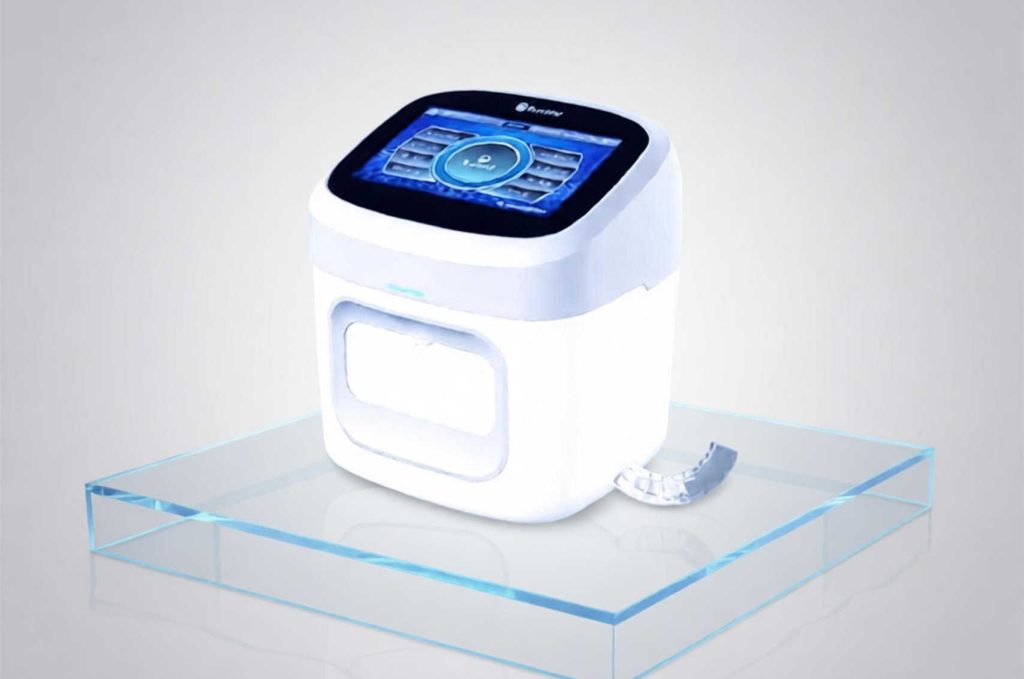
Figure 1: A compact automatic hematology blood analyzer brings CBC results to rural Nigerian clinics within minutes.

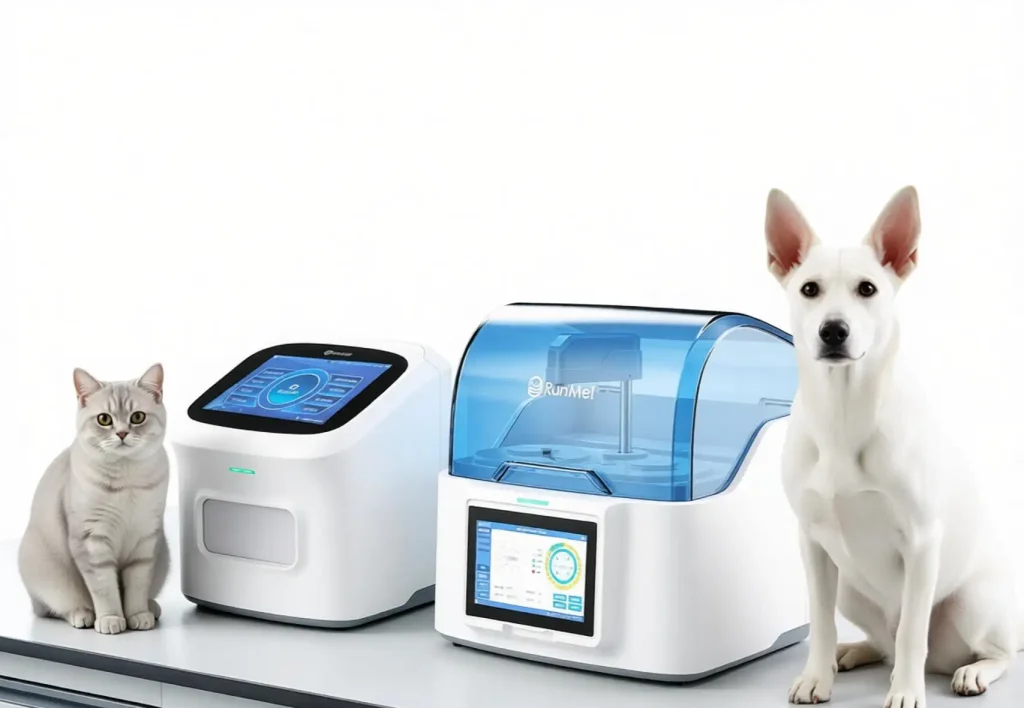
Figure 2: Portable blood analyzers carry malaria and anemia testing from health posts into village outreach sessions.
الأسئلة المتداولة
What does a CBC show in a malaria patient?
Typical findings include low red blood cells, low hemoglobin, and low platelets, often with a raised white cell count. These patterns help clinicians distinguish complicated malaria, co-existing anemia, and bacterial infection.
Can a rural clinic in Nigeria run a blood analyzer without a laboratory scientist?
Yes. Modern automatic hematology analyzers are largely automated – sample in, results out – and one staff member can be trained to operate and maintain the instrument. Some programs pair the device with remote technical support.
How much does an in-house CBC cost compared with referral?
In-house testing usually costs less per test once transport, repeat visits, and lost results are counted. Many clinics recover the device cost within one to two years at moderate volumes.
References and Sources
Authoritative sources cited in this article:
- WHO, World Malaria Report and Malaria fact sheet – who.int/news-room/fact-sheets/detail/malaria
- WHO, Global Anaemia Estimates and Anaemia fact sheet – who.int/news-room/fact-sheets/detail/anaemia
- Impact Global Health, “The diagnostics deficit: funding, access, and preparedness gaps in African health systems”
- Nkwen District Hospital study on malaria parasitaemia and blood parameters, Cameroon (PMC10929319)
- Jani IV, Peter TF. How Point-of-Care Testing Could Drive Innovation in Global Health. N Engl J Med 2013;368:2319-2324.
Related RunMei Health resources referenced in this article:
- [L1] automatic hematology analyzer — https://runmeihealth.com/product/automatic-hematology-analyzer/
- [L2] the malaria-anemia double burden in rural Nigeria — https://runmeihealth.com/why-rural-nigeria-needs-blood-analyzers-inside-the-malaria-anemia-double-burden/
- [L3] blood analyzer product range — https://runmeihealth.com/products/
- [L4] the quiet crisis of missed diagnoses in rural medicine — https://runmeihealth.com/the-quiet-crisis-what-missed-diagnoses-cost-the-rural-world-every-day/
Disclaimer
This article is provided for informational and educational purposes only and does not constitute medical advice, diagnosis, or treatment. Always consult a qualified health professional for clinical decisions. RunMei Health devices are intended for use by trained operators in accordance with local regulations and the manufacturer’s instructions for use; product availability, regulatory clearance, and configurations may vary by country. Figures cited from third-party sources reflect the publications referenced at the time of writing.