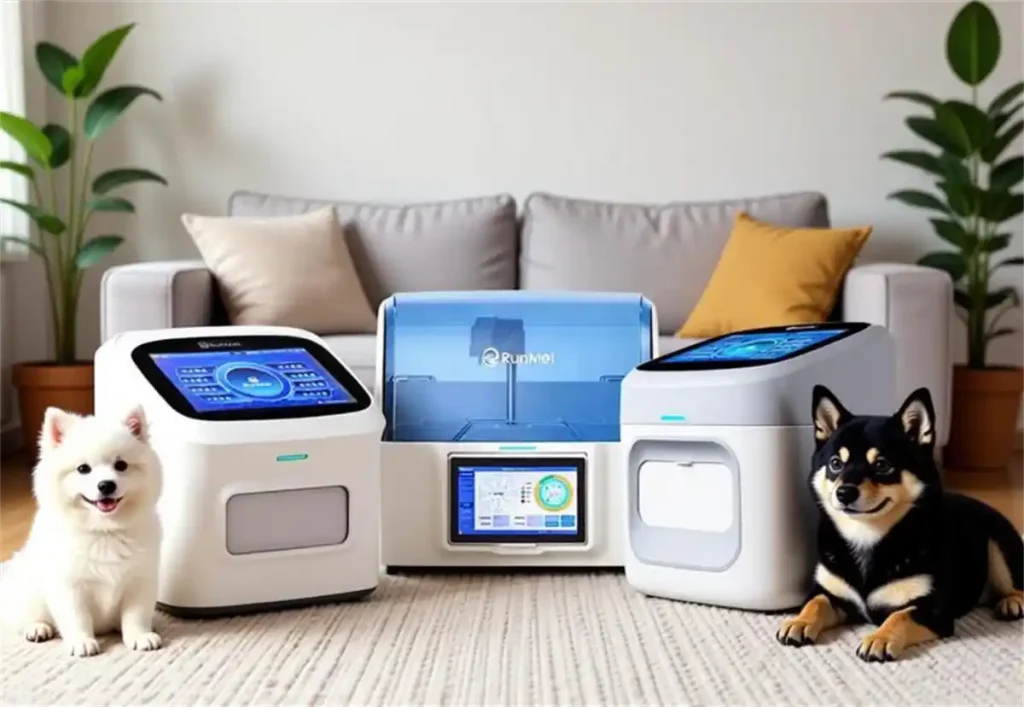
Anemia of chronic kidney disease is treatable only if it is measured. Rural clinics with CBC testing can monitor CKD patients between specialist visits.
By Dr. Ling Chen, MD (Laboratory Medicine Specialist) | Reviewed by Prof. James Whitfield, PhD (Laboratory Quality & Accreditation Expert) | Published 2026-10-15 | Read time: ~7 minutes
Who: a sixty-two-year-old farmer with diabetes. What: a falling hemoglobin no specialist has seen. Where: a rural clinic two hours from the nearest nephrologist. When: between quarterly visits, when no one is watching. Why it matters: anemia of chronic kidney disease creeps up quietly, and CBC chronic kidney disease rural monitoring is how a first-level clinic catches it before the patient collapses. The operational answer is straightforward: run a scheduled CBC on every known CKD patient, trend the hemoglobin locally, and refer the moment it breaks an agreed threshold.
This article is written as an operations manual. It tells a clinic precisely how to set up a CKD blood-count programme: which patients to test, how often, how to run the analyzer, and when to escalate. No specialist knowledge is needed to begin; the work is in the routine.
Renal anemia is treatable only when it is measured, and in rural care it is measured at the clinic bench, not in a distant laboratory.
Step 1: Define the CKD Patients on Your Register
Begin with the diabetes and hypertension register. These patients carry the heaviest CKD risk, and they already attend the clinic, which makes scheduled testing realistic rather than aspirational.
Build the List
Create a CKD cohort from known diabetics and patients with proteinuria or reduced kidney function. For each, record baseline hemoglobin, the date of last CBC and the next scheduled date. A simple paper or digital roster turns a scattered population into a manageable workload.
The same register logic supports neighbouring chronic programmes; the CBC workflow built for kidneys also serves CBC testing in pediatric pneumonia triage and other acute needs, so the instrument is never idle.
Step 2: Choose and Configure the Analyzer
CKD monitoring needs reliable hemoglobin, hematocrit, red-cell indices and a platelet count. It does not require a research-grade machine; it requires a stable, maintainable one.
Bench or Portable
A settled clinic benefits from a bench-top five-part system such as the BCA-330 5-part hematology analyzer, which returns a full CBC from a small whole-blood sample in minutes. A site that travels between outreach visits may prefer the BCA-320 portable multi-function analyzer. Teams comparing options can review compact blood analyzer options for small clinics.
Whichever is chosen, configure it for steady weekly throughput, keep reagent stock above a one-month safety level, and run quality control before the first patient of the day.
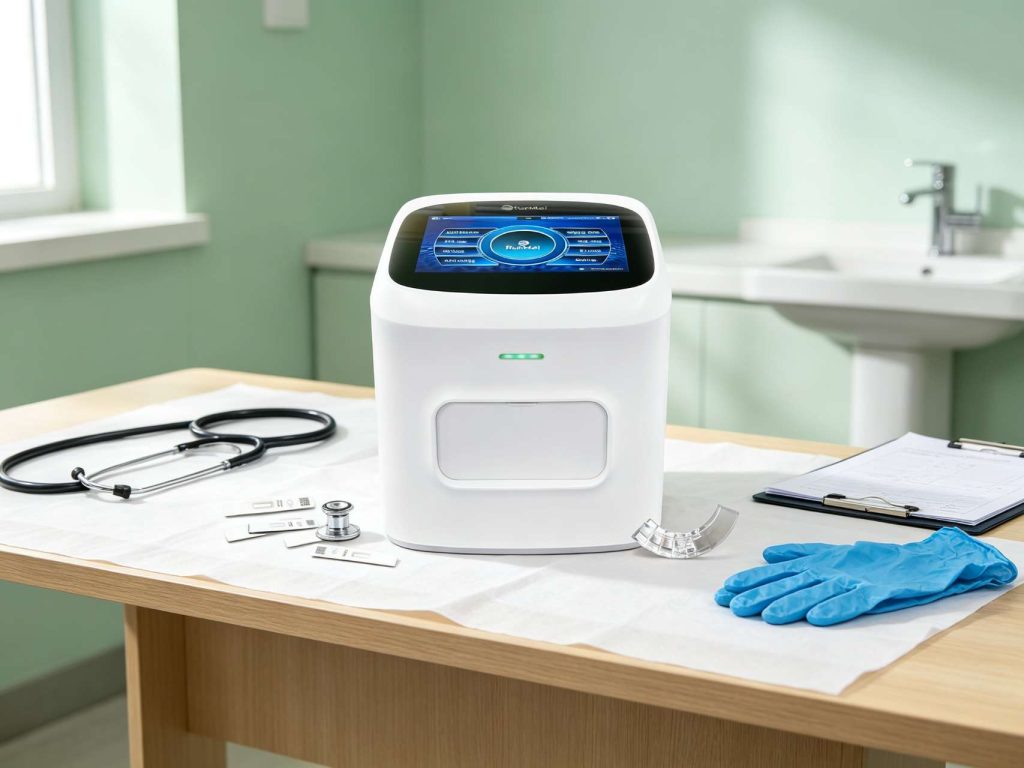
Figure 1: A bench-top analyzer delivers serial hemoglobin and red-cell counts that let a rural clinic track renal anemia between specialist visits.
Image title: Fully automatic hematology analyzer monitoring renal anemia in a rural chronic-disease clinic | Alt text (web): hematology analyzer for chronic kidney disease anemia monitoring in a rural clinic
Structured data: ImageObject schema for this image is provided in the Technical SEO & GEO Package below.
Step 3: Set the Testing Rhythm
Routine beats intensity. A CKD patient tested reliably every three months is better served than one tested once in crisis.
Schedule and Sample
Draw venous whole blood into the correct tube, mix promptly and analyze within the recommended window. Record the hemoglobin against the patient’s trend rather than judging it in isolation. The value of a serial CBC is precisely that it reveals a decline a single number cannot.
Because renal anemia often develops over months, a patient may feel well while drifting into dangerous territory. A scheduled test catches that drift before breathlessness, fatigue or angina send the patient to the emergency department. The clinic’s job is not to replace the specialist but to keep the patient stable between visits and to flag problems early enough for specialist action.
Interpret in Context
Renal anemia is a form of anemia of chronic disease, a pattern clinicians can frame using a New England Journal of Medicine review of anemia of chronic disease. Red-cell indices help separate kidney-related anemia from iron deficiency, which changes whether iron is added.
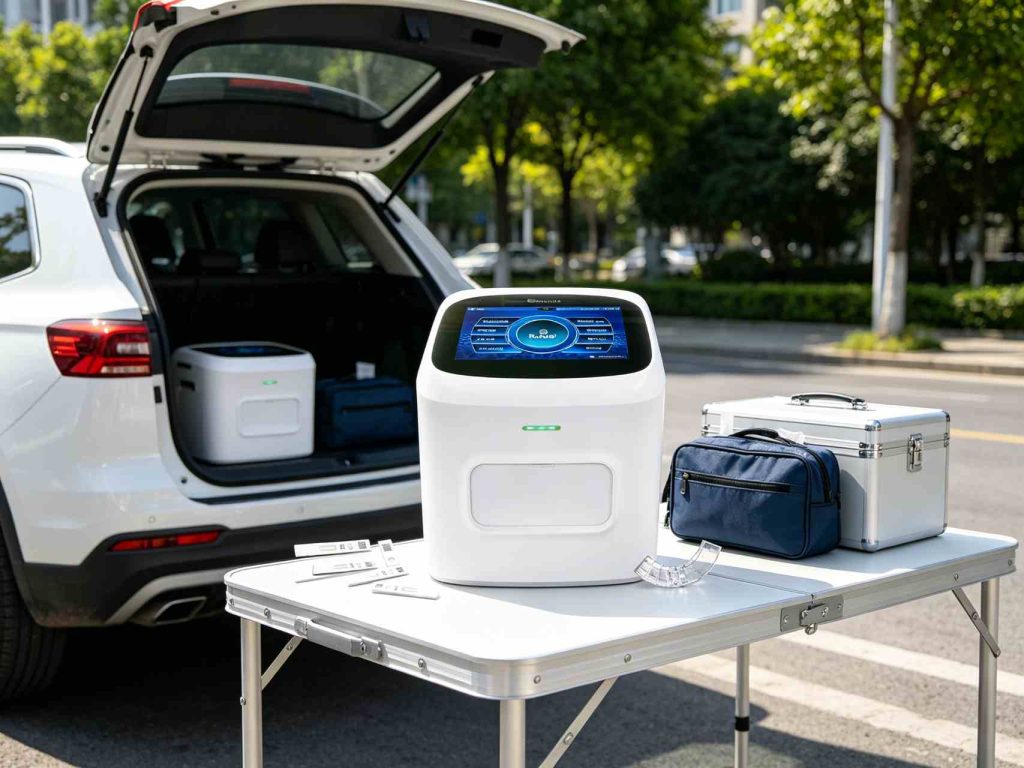
Figure 2: A portable analyzer extends scheduled CBC monitoring for kidney-disease patients during village outreach and clinic sessions.
Image title: Portable multi-function analyzer for CKD outreach in rural community clinics | Alt text (web): portable hematology analyzer for rural chronic kidney disease monitoring
Structured data: ImageObject schema for this image is provided in the Technical SEO & GEO Package below.
Step 4: Define the Referral Thresholds
An operations programme is useless without agreed rules for when to act. Set them in writing with the receiving nephrology unit.
When to Escalate
A hemoglobin below the agreed action level, a rapid decline over weeks, or abnormal platelets in a CKD patient are reasons to refer. Send the trend, not a single value; the specialist needs the slope as much as the number. This model of strengthened first-level care aligns with the WHO’s overview of primary health care, which positions local facilities as the front line of chronic-disease management.
Regulatory clarity keeps the programme lawful; in the United States, the analyzer’s market status is recorded in the FDA’s 510(k) premarket notification database, the reference a clinic checks before putting a device into routine service.
Step 5: Sustain the Routine
The difference between a working CKD programme and a failed one is maintenance. Assign one staff member to instrument care, log quality-control results, and review missed tests at the monthly clinic meeting.
Because CKD overlaps with diabetes and hypertension, the CBC slot in the chronic-disease clinic becomes a routine stop for every registered patient. This is the practical expression of the WHO Model List of Essential In Vitro Diagnostics: the right tests, at the right level, running every week. A clinic that sustains this rhythm watches renal anemia disappear from its emergency ward.
Audit the register quarterly. Count how many scheduled CBCs were actually completed, how many hemoglobin values fell below threshold, and how many patients were referred. These numbers are what convince funders and hospital partners that the local programme is worth expanding. A routine measured is a routine kept; a routine ignored quietly fades.
الأسئلة المتداولة
Why should a rural clinic monitor hemoglobin in kidney disease?
Chronic kidney disease commonly causes anemia as kidney function declines. Detecting a falling hemoglobin locally lets clinicians treat anemia early, assess iron status and decide when to refer, rather than discovering severe anemia only when the patient becomes breathless.
How often should a CKD patient have a CBC in a rural clinic?
Many programmes schedule a CBC every three months for stable CKD patients and repeat sooner if hemoglobin drops or symptoms worsen. The exact interval should follow local nephrology guidance and be written into the clinic’s chronic-disease register.
What analyzer features matter for chronic kidney disease monitoring?
Reliable hemoglobin and red-cell indices, a platelet count, simple operation and steady reagent supply matter most. A compact bench or portable analyzer is sufficient; research-grade capabilities are unnecessary for routine renal anemia monitoring.
When should a rural clinic refer a CKD patient for kidney care?
Refer when hemoglobin falls below the locally agreed threshold, declines rapidly over weeks, or comes with abnormal platelets or worsening symptoms. Sending the serial trend, not just the latest number, helps the specialist act quickly.
Conclusion
Renal anemia is a silent, chronic problem in rural populations, and it is invisible until someone measures the blood count. A scheduled CBC turns the chronic-disease clinic into an early-warning station.
The operations are unglamorous: build the register, run the analyzer on a rhythm, trend the hemoglobin, and escalate against written thresholds. Done consistently, they prevent the crises that send rural patients to distant hospitals too late.
For a farming community, a clinic that watches its patients’ hemoglobin is a clinic that keeps them well at home.
Disclaimer
This article is provided for general informational and educational purposes only and does not constitute medical advice, diagnosis, or treatment. Laboratory testing must be performed by trained personnel in accordance with applicable regulations, manufacturer instructions and local law. Always consult a qualified healthcare professional for clinical decisions. Product names and capabilities described may vary by market and regulatory clearance. RunMei Health does not warrant that any device is suitable for a specific facility or jurisdiction without professional evaluation.