Target keyword: “hematology analyzer parameters explained CBC”
RBC, WBC, HGB, HCT, MCV, MCH, MCHC, RDW, PLT — decode every CBC parameter a hematology analyzer reports and what abnormal values mean.
A CBC report looks like alphabet soup with numbers, but hiding behind it are two things: the physiology of every cell line and the flags an algorithm quietly raised while nobody was looking. Strip the jargon away and each parameter is a witness. Learn to interview them, and the soup becomes a confession.
The Red Cell Story: RBC, HGB, HCT, and the Indices
RBC counts red cells; HGB measures haemoglobin, the oxygen cargo; HCT (haematocrit) is the volume percentage of red cells. Together they reveal anaemia or polycythaemia. The indices refine it: MCV (mean cell volume) distinguishes microcytic from macrocytic anaemias; MCH and MCHC measure haemoglobin content and concentration; RDW captures variation in cell size — a high RDW appears in early iron deficiency and mixed anaemias. The analyzer derives these from impedance and scatter, so interpret with its method in mind.
The White Cell Story and the Differential
WBC totals white cells; the differential splits them into the five populations. The analyzer sizes and classifies cells as they pass through an aperture or laser. Leucopenia and leucocytosis signal infection, inflammation, marrow response, medication effects, or malignancy. Always read WBC with the differential — a normal total can hide a dangerous population shift, and an abnormal total can be benign.
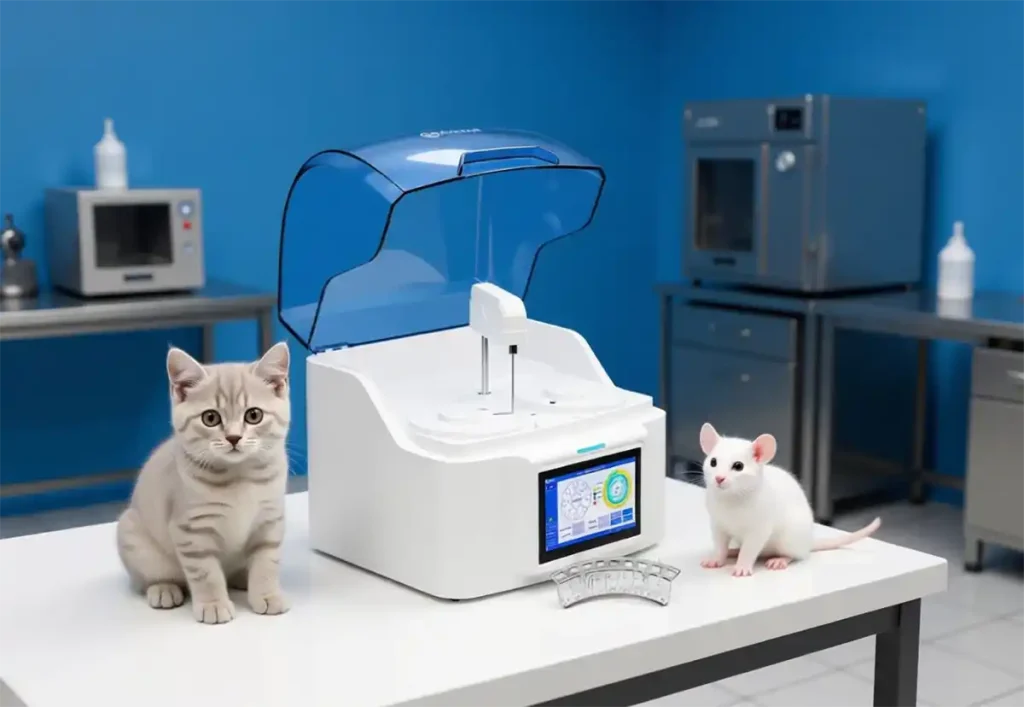
Looking for a reliable option? The 5-part differential hematology analyzer from RunMei Health is built for accurate, efficient blood analysis.
Platelets: Count, Volume, and the Clump Caveat
PLT counts platelets; MPV (mean platelet volume) and PDW describe platelet size distribution. Platelet clumping — common with EDTA in some species and certain patients — falsely lowers the count, so modern analyzers flag clumps. When in doubt, a citrate tube or film review confirms the true count. Thrombocytopenia drives bleeding-risk decisions, making this parameter non-negotiable in surgical and oncology settings.
How the Analyzer Builds These Numbers
Impedance counters measure cell volume as cells interrupt an electrical current; optical instruments scatter light to judge size and granularity; fluorescence adds nucleic-acid and surface staining for the finest discrimination. Understanding the method behind your instrument tells you which parameters to trust on tricky samples and when to reflex to a film review.
Putting the Parameters Together
No single parameter should be read in isolation. The strongest clinical signal comes from patterns: a low HGB with a low MCV and high RDW suggests iron deficiency, while a normal RDW with low MCV points toward thalassaemia trait. A high WBC with neutrophilia and left shift supports bacterial infection; lymphocytosis with atypical cells suggests a viral cause; a low platelet count alongside a normal or high MPV points to peripheral destruction rather than marrow failure. The analyzer’s flags and histograms are meant to be read with the numbers, not instead of them.
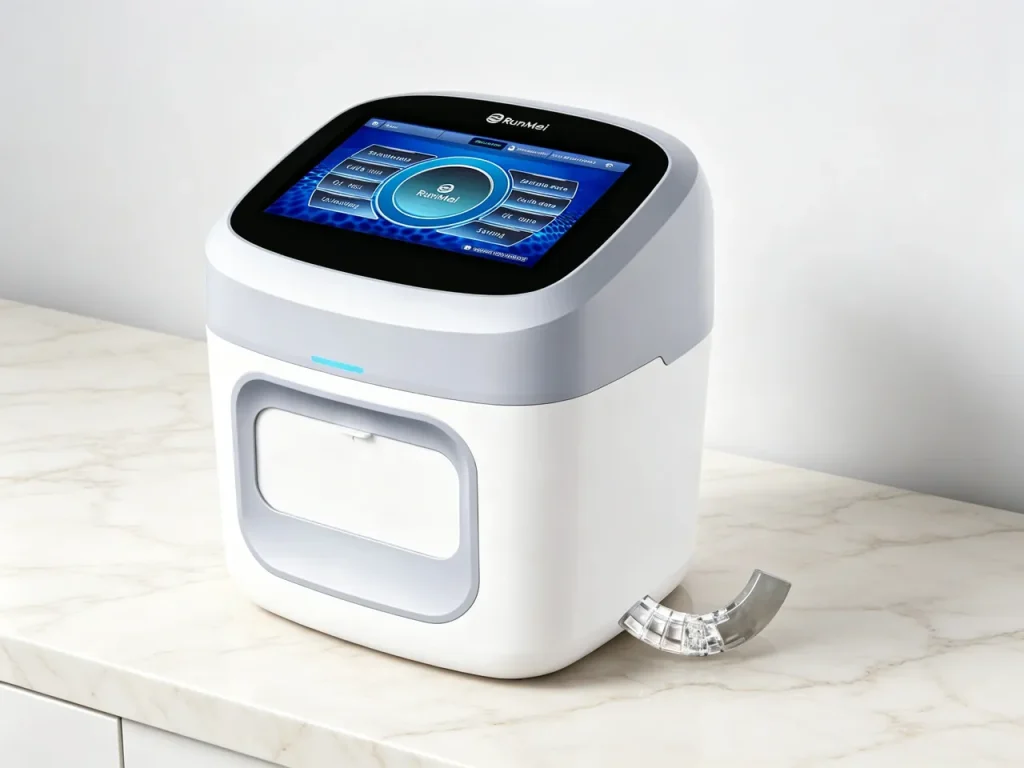
Looking for a reliable option? The portable multi-function blood analyzer from RunMei Health is built for accurate, efficient blood analysis.
When the pattern is unclear — a high MCHC, suspected clumping, or unusual flags — reflex to a peripheral blood film. The film confirms what the analyzer suspects and catches morphology that even the best algorithm cannot name. Learn which combinations on your instrument’s reports warrant a manual review, and you will turn a machine full of numbers into a genuinely reliable diagnostic assistant.
For a dependable solution, explore the 5-part veterinary blood analyzer from RunMei Health.
For a dependable solution, explore the RunMei diagnostic instruments from RunMei Health.
الأسئلة المتداولة
Q: What does RDW measure and why does it matter?
A: RDW (red cell distribution width) measures variation in red blood cell size. A high RDW indicates a mixed cell population, classically seen in early iron-deficiency anaemia, mixed deficiencies, or after transfusion or therapy. It helps distinguish iron deficiency (high RDW) from thalassaemia trait (normal RDW with low MCV).