Surgical camps bring operations to the underserved — and a portable analyzer brings the preoperative blood count with them.
By Dr. Samuel Okafor, MD (Community Medicine Physician) | Reviewed by Dr. Sarah Thompson, PhD (Medical Diagnostics Researcher) | Published 2026-10-20 | Read time: ~7 minutes
A surgical camp that puts a patient under anesthesia without a preoperative CBC surgical camp teams can trust is not practicing precision medicine — it is guessing about blood loss, oxygen reserve and clotting. Yet across rural outreach programs, the routine pre-anesthesia blood count is exactly the test that disappears the moment the operating table leaves the hospital. This review argues that a portable hematology analyzer is as essential to a mobile surgical camp as the anesthesia machine itself.
The direct answer is straightforward: a preoperative complete blood count should be measured on site, on the day of surgery, before induction. It reveals anemia, thrombocytopenia and occult infection that change who operates, how fast, and what blood products must be standing by. Delayed results that arrive after the incision are worthless.
This article reviews the evidence for on-site preoperative testing, what the count actually tells the anesthesia and surgery team, the logistics of running an analyzer on a mobile bench, and how camps should build it into their safety protocol.
Anemia Is the Silent Risk Every Camp Misses
Anemia is common in the rural populations surgical camps serve, and it is invisible on examination until the patient is already on the table. A patient with undiagnosed low hemoglobin tolerates blood loss poorly, develops tissue hypoxia faster, and recovers more slowly. The cause matters too: long-standing anemia of chronic disease behaves differently from acute blood loss, and a New England Journal of Medicine review of anemia of chronic disease explains how underlying inflammation drives a picture that must not simply be assumed to be iron deficiency.
This is not a theoretical concern. WHO’s anaemia fact sheet documents that anemia affects a large share of women and children worldwide, concentrated in exactly the low-resource settings camps target. When a camp screens hemoglobin on arrival, it can defer the borderline patient for treatment, optimize the moderate case with preoperative iron, and reserve the operating list for those who genuinely benefit. Running a sickle cell screen alongside the count adds another safety layer, since sickle-cell screening with a blood analyzer identifies patients whose anesthesia and perioperative oxygen needs differ.
What the Count Tells the Anesthesia Team Before Induction
A preoperative CBC surgical camp protocols rely on returns three families of numbers in minutes. Hemoglobin and hematocrit estimate oxygen-carrying reserve and anticipated transfusion need. The platelet count flags bleeding risk; a low count is a reason to reconsider elective surgery or prepare products. The white-cell count and differential hint at active infection that could turn a clean procedure into a septic complication.
From a Number to a Decision
These are not screening curiosities; they drive intraoperative decisions. A hemoglobin below a camp’s agreed threshold shifts the case from elective to optimized. Platelets under a defined level move a hernia repair from a local-anesthesia list to a referral. Chronic disease patients with multiple comorbidities also need a current count, much like the patients described in guidance on blood count testing in chronic rural clinics whose stable appearance hides deteriorating reserves.
The best time to learn that a patient is anemic or thrombocytopenic is before the scalpel — not during the hemorrhage.
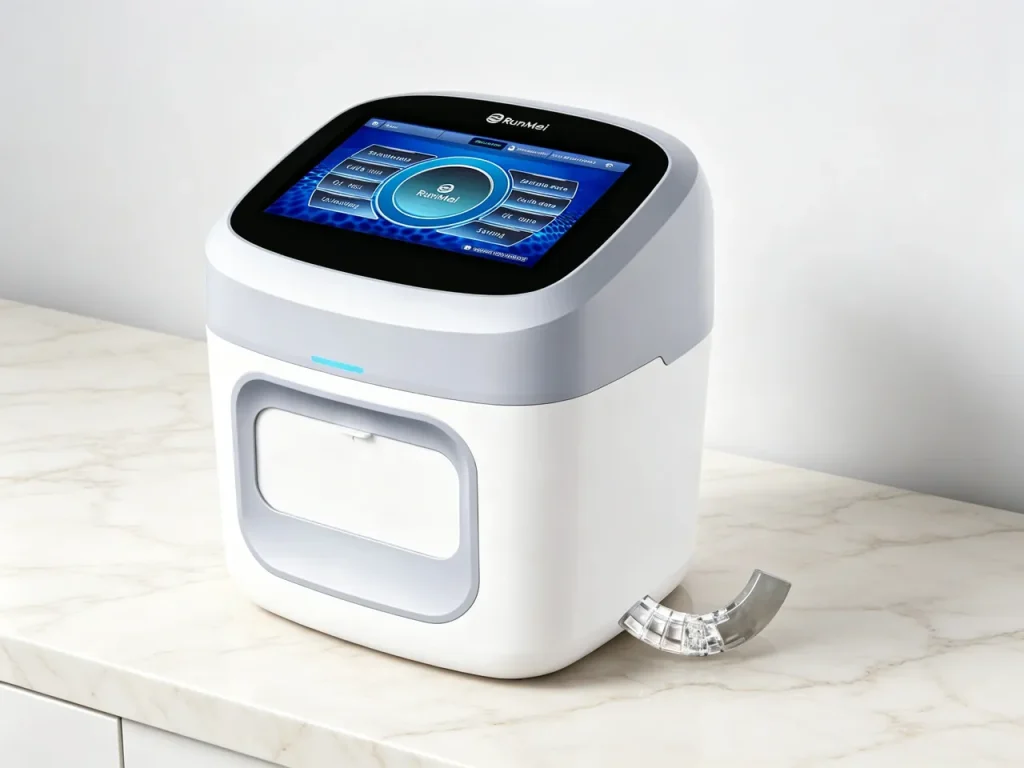
Figure 1: A compact hematology analyzer on the mobile bench returns hemoglobin and platelet counts before induction.
Image title: Fully automatic hematology analyzer delivering preoperative CBC results at a rural surgical camp | Alt text (web): fully automatic hematology analyzer for preoperative CBC testing in a rural surgical camp
Structured data: ImageObject schema for this image is provided in the Technical SEO & GEO Package below.
Patient Selection and Blood Product Readiness
Surgical camps live or die by triage. On-site counts let teams select the operating list the same morning, rather than relying on yesterday’s results or none at all. Equally important is blood transfusion planning: knowing which few patients may need a unit means the camp can source and type that blood in advance, instead of improvising after a sudden bleed. Obstetric emergencies and complicated deliveries share the same logic, which is why the same capability supports blood testing in maternity and surgical outreach.
Camps should set written thresholds: a hemoglobin cutoff for proceeding, a platelet floor for any invasive procedure, and a deferral rule for abnormal white-cell results. These thresholds are clinical policy, not a negotiation with the clock, and they should be agreed before the team leaves for the village.
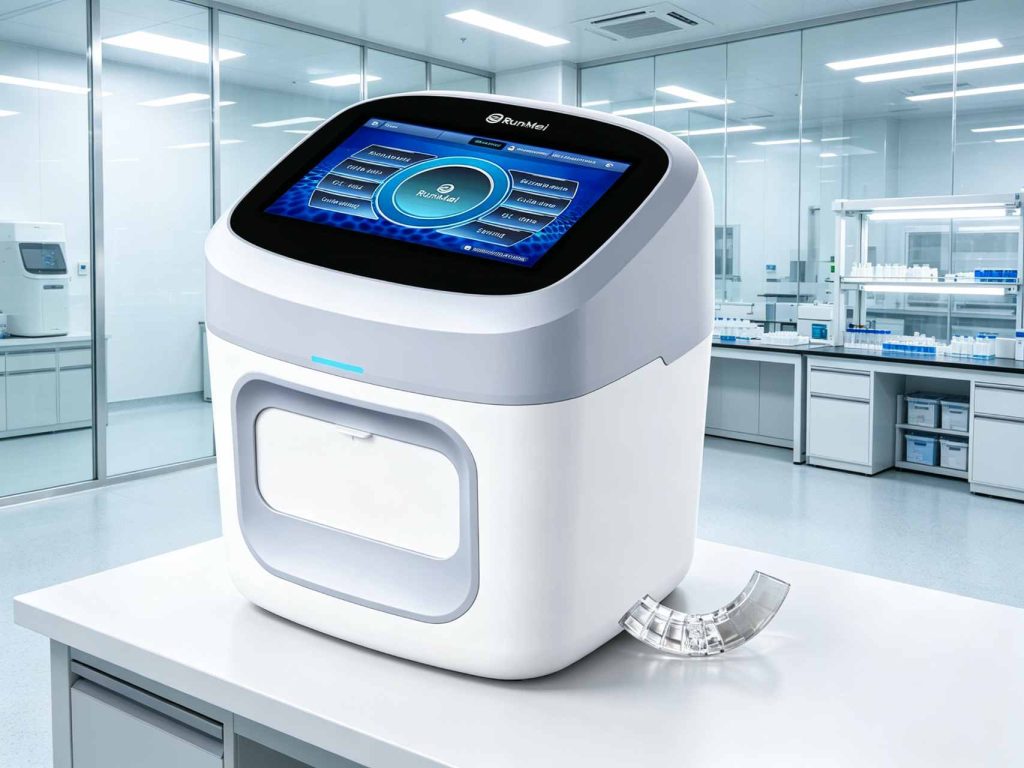
Figure 2: A portable analyzer extends same-day preoperative counts from the hospital to the village operating list.
Image title: Portable multi-function analyzer for on-site pre-anesthesia blood counts during outreach | Alt text (web): portable hematology analyzer for point-of-care pre-anesthesia blood testing in surgical outreach
Structured data: ImageObject schema for this image is provided in the Technical SEO & GEO Package below.
Running an Analyzer on a Moving Bench
A mobile camp cannot depend on a hospital laboratory down the road, so the analyzer travels with the team. Modern portable analyzers are built for exactly this: they accept small whole-blood samples, tolerate ambient conditions, and run on modest power. Procurement should still verify that any device meets regulatory clearance for its intended use — in the United States that means checking the FDA’s 510(k) premarket notification database for the specific model.
Quality Control Does Not Take a Holiday
A moving bench is no excuse for skipping controls. Daily calibration checks, reagent temperature monitoring and a defined rejection rule for failed samples keep results trustworthy. Camps should treat the analyzer as a sterile-team instrument: one trained operator, logged controls, and a backup plan if the machine fails mid-list. This is the same discipline expected of hematology analyzers built for primary care in fixed clinics, just under harder conditions.
The Safety Economics of On-Site Counts
The argument for on-site preoperative testing is ultimately economic as well as clinical. A single avoidable transfusion reaction, postponed case or emergency referral costs far more than every reagent the camp will use in a season. By making primary-care-level diagnostics part of outreach, camps align with the vision in WHO’s overview of primary health care which calls for essential health services — including basic laboratory capacity — to reach people where they live.
Camps that adopt on-site CBC testing report faster list decisions, fewer surprises under anesthesia and greater community trust. Patients return for future camps because they believe the operation was planned carefully. That trust is itself a safety outcome: patients who understand the screening are more likely to report symptoms honestly before induction.
الأسئلة المتداولة
Is a CBC really necessary before minor surgery in a camp?
For truly minor procedures in healthy patients, guidelines vary, but rural camp populations are rarely screened and often carry undiagnosed anemia or infection. A same-day CBC is low-cost insurance that identifies patients who need optimization or referral rather than routine surgery.
How quickly does a portable analyzer return a preoperative result?
Modern portable hematology analyzers return a complete blood count, including hemoglobin, white cells and platelets, within about a minute of sampling — fast enough to run on the day list before induction while the patient waits.
Can a camp prepare blood products based on the CBC?
The count estimates transfusion risk and helps teams decide which patients may need a unit, so blood can be sourced and cross-matched in advance. It supports planning; final transfusion decisions always follow clinical judgment and local transfusion-service rules.
What should a camp do if the analyzer shows severe anemia?
Apply the written deferral threshold: optimize or refer the patient rather than proceeding. Severe anemia or thrombocytopenia should move the case to a equipped facility, with the count documented and handed over to the receiving team.
Conclusion
Preoperative CBC testing converts a surgical camp from a gamble into a planned intervention. The count takes minutes, costs little, and reveals the anemia, platelet risk and occult infection that determine whether a case is safe to perform at all.
The camps that will deliver the safest care are those that treat the analyzer as core equipment — calibrated, staffed and written into the protocol. The question is no longer whether a mobile camp can afford on-site counts, but whether it can afford to operate without them.
Disclaimer
This article is provided for general informational and educational purposes only and does not constitute medical advice, diagnosis, or treatment. Laboratory testing must be performed by trained personnel in accordance with applicable regulations, manufacturer instructions and local law. Always consult a qualified healthcare professional for clinical decisions. Product names and capabilities described may vary by market and regulatory clearance. RunMei Health does not warrant that any device is suitable for a specific facility or jurisdiction without professional evaluation.