Stop budgeting your entire lab’s year around reagent cold chains — and start reading the case of a district health center that reclaimed its turnaround time and its margins in one upgrade cycle.
Two hundred kilometres from the nearest referral hospital, the Hope Centre Health Clinic had a familiar problem. Samples for a complete blood count (CBC) were batched weekly and driven to a city lab, a round trip that took three days. For a clinic serving roughly 40,000 outpatient visits a year, the delay meant repeat attendances, delayed antibiotics, and a paperwork trail that consumed two staff hours a day.
The mandate
Leadership gave the lab one directive: bring routine haematology testing on-site without tripling the consumables budget. The obvious purchase — a conventional benchtop analyser from Brand A or Brand B — came with a catch. Bulk reagents, calibration proficiency, a monthly maintenance contract, and refrigerated storage that the clinic’s single unreliable power line could never guarantee.
The decision
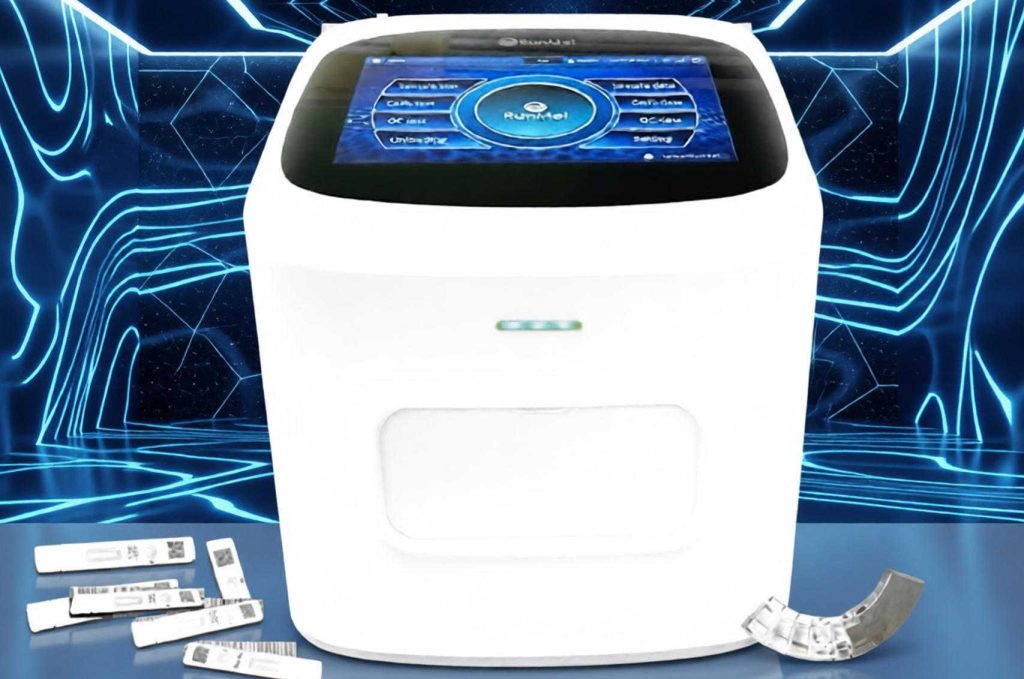
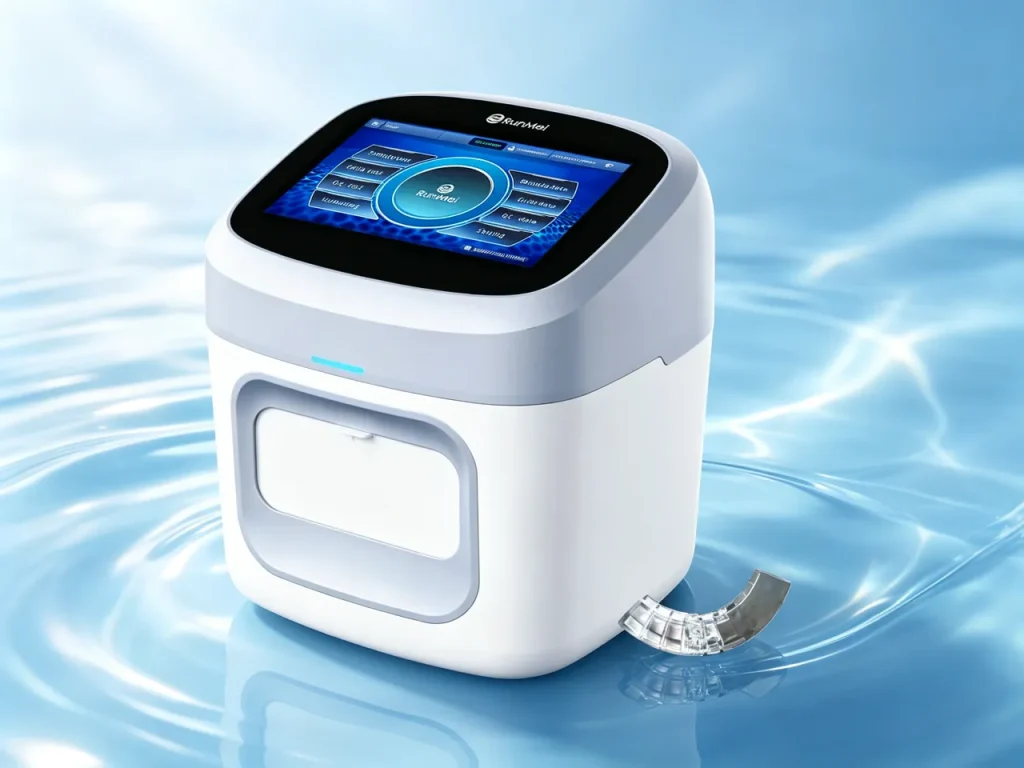
The team instead selected a portable, No-Liquid System analyser built on AI cell imaging. There were no wet reagents to refrigerate, no daily prime cycles, and no cold-chain dependency. The unit delivered a 5-part differential CBC from a small whole-blood sample, and because the imaging approach uses no reagent flow path, monthly maintenance dropped to near zero. Staff completed training in a single afternoon rather than the customary week-long programme for comparable instruments from Brand C.
The measured outcome
Within one quarter, the clinic reported a cost-per-test reduction of roughly 50% versus the old outsourced model, and approximately 30% below the quoted reagent cost of a conventional haematology platform. Turnaround time fell from three days to under fifteen minutes for most outpatients. The FDA regulates in-vitro diagnostics under 21 CFR, and the instrument’s CE marking and ISO 13485-certified manufacture gave the procurement team confidence during regulatory review — a compliance fear that nearly derailed earlier purchases.
If your facility faces the same logistics, the same reagent pain, or the same procurement anxiety, start with the specifications of a compact POCT analyzer designed for distributed settings. Bench the running costs honestly against the list price before you commit — most buyers are surprised at how the economics rebalance in year one. To compare realistic totals, review current hematology analyzer price guidance against your actual test volume rather than brochure figures.
A scalable model
The clinic later paired the haematology unit with a compact clinical chemistry system for liver and kidney panels, consolidating two lab functions in one bench. That’s the pattern we now see replicating across low-resource and mobile settings: a mini biochemical analyzer beside a portable CBC unit. Choose a diagnostic analyzer supplier that supports the full rollout — from a low minimum order quantity of a single unit to 24/7 technical support — because the real cost of an analyser is measured in downtime, not purchase price.