Meta Title (≤60 chars): Iron Deficiency in Rural African Women: The Test Nobody Runs
Meta Description (≤155 chars): About 56% of sub-Saharan Africans live in rural areas where iron studies are scarce. Here is how blood analyzers put anemia detection in reach.
Target Keywords: iron deficiency anemia Africa, hemoglobin testing rural women, blood analyzer anemia screening, CBC iron deficiency diagnosis
By RunMei Health Team | Published: September 18, 2026 | Reading time: ~5 min
Ask a rural clinician in sub-Saharan Africa how many of her patients are iron-deficient and she will tell you the same thing every colleague says: ‘A lot. Too many to count.’ She is right – roughly 56% of the region’s population lives in rural areas where laboratory-based iron studies are rarely available, and recent reviews of iron-deficiency diagnosis in sub-Saharan Africa describe structural barriers that disproportionately hit women and children. But ‘too many to count’ is exactly the problem. When anemia is untested, it is uncounted, and when it is uncounted, it is untreated until it becomes dangerous.
The scale of anemia in African women
The WHO’s global anaemia estimates put the worldwide prevalence at 40% among children aged 6-59 months, 37% among pregnant women, and 30% among women of reproductive age – and in sub-Saharan Africa, national surveys routinely record figures above those global averages. Iron deficiency is the leading cause, but it rarely travels alone: malaria, hookworm, HIV, and inherited hemoglobin disorders all contribute.
For a young woman, repeated anemia is not a background nuisance. It is fatigue that costs her school and work hours, a higher-risk pregnancy, and a child born with depleted iron stores. The WHO has called anemia a public health emergency that is stalling progress on maternal and child health, yet the diagnostic pathway in rural areas often stops at ‘probably anemic.’
The clinic that starts with a single portable blood analyzer usually restructures its whole referral pathway around it.
What ‘probably anemic’ costs
Clinical pallor assessment – looking at eyelids and palms – is the default anemia test in many rural facilities, and studies repeatedly show it misses a large share of cases, especially mild-to-moderate anemia. The patient who looks fine can have a hemoglobin of 9 g/dL, and the patient who looks pale may have a normal count and a different disease entirely.
The consequences are concrete: iron is prescribed to people who do not need it, anemia goes untreated in people who do, and the underlying cause – hookworm, malaria, or something worse – stays hidden. A printed hemoglobin and red cell result changes that conversation completely.
How a blood analyzer fits the rural pathway
The CBC as the first iron test
A complete blood count is not an iron study – serum ferritin is – but it is the right first step, and in most rural settings it is the only achievable one. Hemoglobin tells you the patient is anemic; the red cell indices (MCV, MCH) point toward iron deficiency versus other causes; and a white cell or platelet abnormality flags infections that need separate attention.
WHO’s Essential Diagnostics List recommends the CBC at primary-care level precisely because it sorts so many common conditions. An automatic hematology analyzer delivers the full panel from one sample, which matters in a clinic where every reagent order is a logistics event.
RunMei’s rural anemia screening with a portable hematology analyzer runs a CBC on fingertip blood, which matters when venipuncture is the real barrier.
Making the numbers useful for treatment decisions
A hemoglobin of 10.5 g/dL with a low MCV suggests iron deficiency and justifies empiric iron, which is the standard approach in settings without ferritin testing. A hemoglobin of 6.9 g/dL with a normal MCV is a different disease: this is the patient who needs evaluation for acute loss or hemolysis, not another bottle of supplements. The same device produces both answers.
Serial testing is where the analyzer pays for itself. Iron supplementation programs need to show that hemoglobin is actually rising – that is the only honest measure of whether treatment works. Without a device, programs run blind for months and call it adherence monitoring.
A practical anemia screening protocol for rural clinics
The clinics that get the most out of an anemia program keep the protocol simple. Screen every pregnant woman at booking and again in the third trimester. Test children at growth-monitoring visits. Re-test anyone on iron after eight weeks to confirm the response. Record every result, because the aggregate data is what convinces a district to keep reagents stocked.
Portable blood analyzers extend the same protocol to outreach days, schools, and market-day screening, which is where many rural women can actually be reached. A device that travels with the nurse multiplies the program’s reach without multiplying its cost.
The protocol also needs a stop rule: a patient whose hemoglobin fails to rise after two rounds of iron and deworming deserves a second look – possibly a referral for the inherited anemias or chronic disease that iron cannot fix. That single rule turns the analyzer from a screening tool into a diagnostic thinker, and it catches the cases that make anemia programs honest.
An automatic hematology analyzer changes the conversation from “send the sample somewhere” to “run it here, now.”
Beyond hemoglobin: what the indices tell you
Hemoglobin tells you anemia is present; the red cell indices tell you where to look next. A low MCV with a low MCH points to iron deficiency or thalassemia; a normal or high MCV raises questions of B12 or folate deficiency, hemolysis, or chronic disease. The rural clinician with only a hemoglobin number treats the what; the clinician with a full CBC starts chasing the why.
This distinction changes real decisions. A woman with microcytic anemia in a hookworm-endemic area needs deworming plus iron. A child whose anemia does not respond to iron despite good adherence may carry thalassemia – and needs a different conversation with the family, not a bigger iron dose.
None of this requires a reference laboratory; it requires the full blood count, which is precisely what a modern automatic hematology analyzer delivers from one small sample. The indices are effectively free once the device exists, and they are the difference between an anemia program that treats blindly and one that thinks.
Why the rural woman is the measure
The women’s-health angle makes the argument urgent: anemia in a rural mother is not a single finding but a chain – fatigue, poor pregnancy outcomes, a child who starts life behind. The analyzer interrupts that chain at its earliest link, and interrupting it early is dramatically cheaper than treating its consequences.
Across sub-Saharan Africa, the demand for this capability is no longer theoretical. Programs, donors, and district health teams are all looking for the same thing: a device that fits a rural bench, a price that fits a district budget, and a result that fits the consultation. The blood analyzer is that device, and the evidence for its value is already written in every untreated anemic mother who was never counted.
The article why rural clinics need a CBC before referral shows what this looks like in a real village clinic.

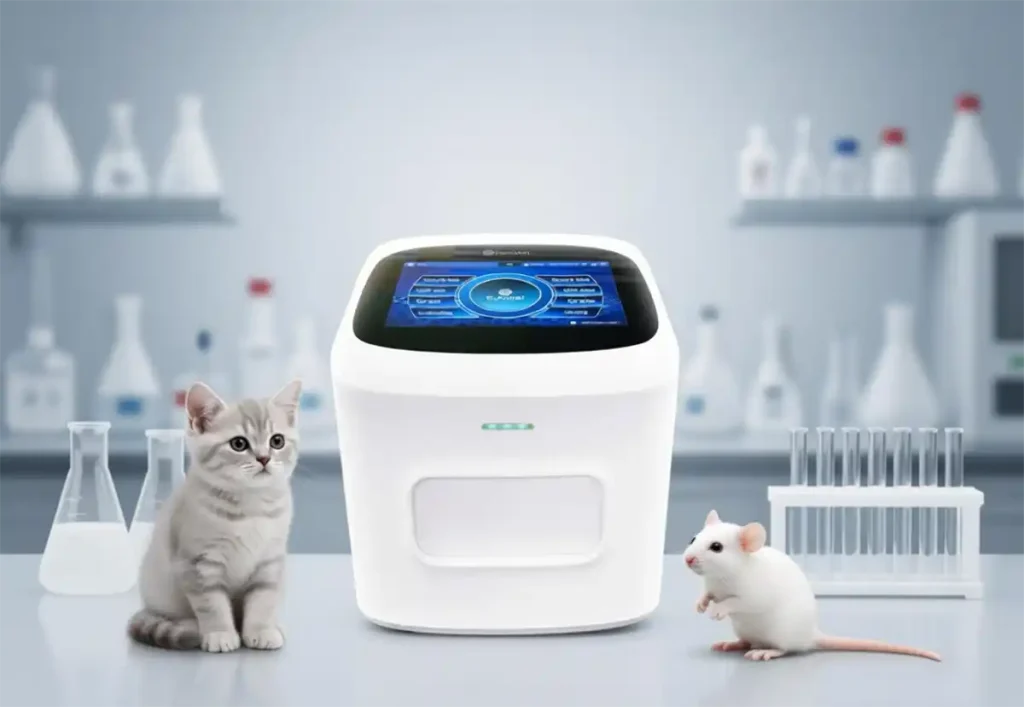
Figure 1: Portable blood analyzers bring hemoglobin and red cell index screening to outreach sessions for rural women.

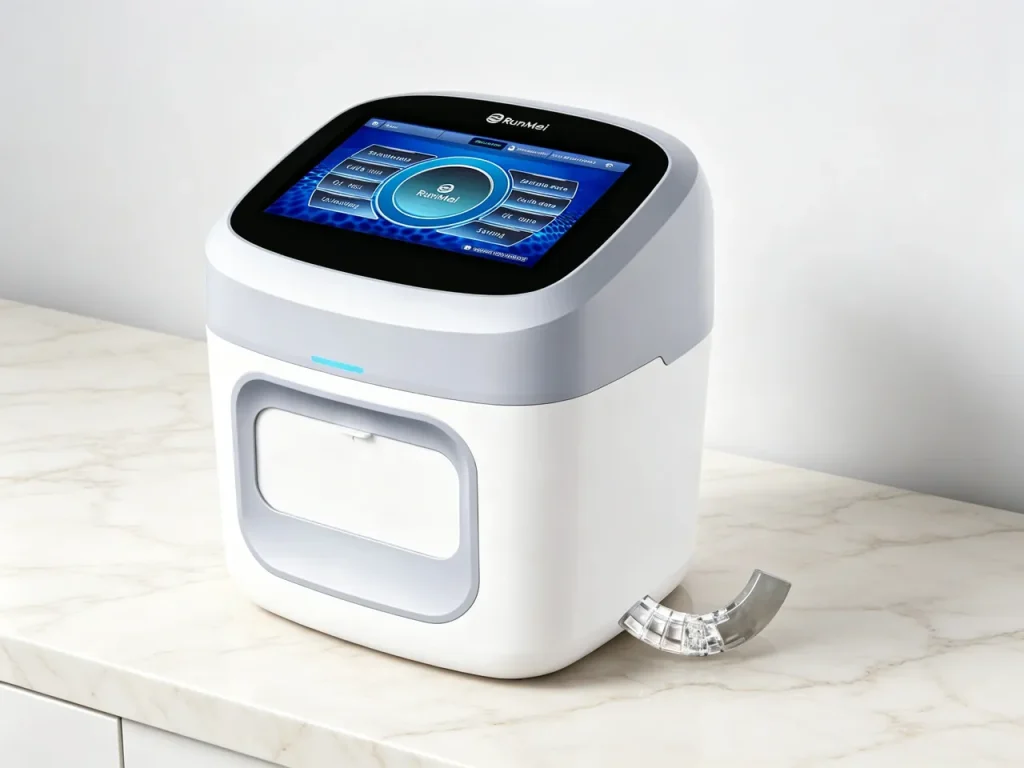
Figure 2: CBC testing on an automatic hematology analyzer identifies the red cell patterns that point to iron deficiency.
الأسئلة المتداولة
Can a CBC diagnose iron deficiency?
Not alone – serum ferritin is the confirmatory test – but hemoglobin with low MCV and MCH strongly suggests iron deficiency, and that pattern is enough to start treatment in settings where ferritin is unavailable.
Why do rural women miss anemia screening?
Distance to facilities, cost of travel, and the absence of testing equipment at local clinics. Screening that comes to the community – via outreach with a portable analyzer – reaches far more women.
How often should a pregnant woman be tested?
WHO guidance recommends hemoglobin testing at the first antenatal visit and again in the third trimester, with treatment and follow-up testing for women found anemic.
References and Sources
Authoritative sources cited in this article:
- WHO, Global Anaemia Estimates and Anaemia fact sheet – who.int/news-room/fact-sheets/detail/anaemia
- Wiley, “Iron Deficiency Diagnosis in Sub-Saharan Africa: Challenges, Barriers, and Opportunities” (2026)
- WHO, Fourth WHO Model List of Essential In Vitro Diagnostics (EDL 4), 2023
- Jani IV, Peter TF. How Point-of-Care Testing Could Drive Innovation in Global Health. N Engl J Med 2013;368:2319-2324.
Related RunMei Health resources referenced in this article:
- [L1] portable blood analyzer — https://runmeihealth.com/product/bca-320-automatic-portable-multi-function-analyzer/
- [L2] rural anemia screening with a portable hematology analyzer — https://runmeihealth.com/rural-anemia-screening-why-a-portable-hematology-analyzer-belongs-in-every-village-clinic/
- [L3] automatic hematology analyzer — https://runmeihealth.com/product/automatic-hematology-analyzer/
- [L4] why rural clinics need a CBC before referral — https://runmeihealth.com/why-rural-clinics-need-a-cbc-before-referral-a-practical-guide-to-smarter-triage/
Disclaimer
This article is provided for informational and educational purposes only and does not constitute medical advice, diagnosis, or treatment. Always consult a qualified health professional for clinical decisions. RunMei Health devices are intended for use by trained operators in accordance with local regulations and the manufacturer’s instructions for use; product availability, regulatory clearance, and configurations may vary by country. Figures cited from third-party sources reflect the publications referenced at the time of writing.
Body word count: 1114 words (target range 1000–1500) | Total including FAQ: 1224 words