Focus keyword: lymphocyte count high symptoms
Somewhere in your patient’s report, in the middle of the differential, sit the lymphocytes — the adaptive immune cells that remember what they have fought before and orchestrate the antibody response. When that number climbs above the typical adult range of roughly 1,000 to 4,000 per µL, patients rarely feel an obvious “lymphocytosis symptom.” Instead, they often walk in with something vague: a lingering tiredness, a low-grade fever, swollen lymph nodes they found in the shower, or no complaints at all, the elevation discovered on an unrelated check-up. Decoding a high lymphocyte count is less about chasing a single dramatic symptom and more about reading a pattern.
The Symptoms Are Usually the Underlying Cause, Not the Count
Here is the clinician’s insight: lymphocytosis rarely announces itself with its own symptom set. What patients actually present with are the signs of whatever is driving the elevation. A viral infection — infectious mononucleosis, influenza, viral hepatitis, cytomegalovirus — is among the most common causes and brings fever, sore throat, fatigue and lymphadenopathy. Stress, recent vaccination, and even recovery from an acute illness can push lymphocytes up transiently. The trick is that the “symptoms” a patient reports are symptoms of the infection or condition, while the lymphocyte rise is the laboratory echo. Asking when the fatigue started, whether the sore throat predates it, and what medications they take usually clarifies more than any single test.
When a High Lymphocyte Count Warrants Deeper Investigation
Persistently elevated lymphocytes — present across repeated counts and not explained by an acute viral illness — begin to raise the question of a chronic lymphoproliferative or hematologic process. Conditions affecting lymphocyte regulation are explored throughout the hematology literature, including reporting in Blood, and in older adults a chronically raised absolute lymphocyte count sometimes leads to a workup for low-grade lymphoproliferative disorders. The differentiating features matter: is the elevation mild and stable, or climbing? Are other cell lines suppressed? Are there cytopenias or abnormal cells in the blood film? A stable mild lymphocytosis in a well patient is often reassuring; a climbing count with marrow-suppression flags in another cell line demands referral.
Absolute Versus Percentage: The Trap of the Report
One of the most common reading errors is reacting to percentage rather than absolute count. Because lymphocytes are a fraction of the total WBC, a low total count can push the lymphocyte percentage artificially high even when the absolute number is perfectly normal — and the reverse trap exists too. The reliable signal is the absolute lymphocyte count, which is why a trustworthy five-part output that reports absolute values matters so much. Guidance from standards bodies such as CLSI, in its H20-A2 framework for the reference differential, reinforces that absolute counts, not proportions, drive clinical interpretation.
Instrument Resolution and the Reliability of Your Signal
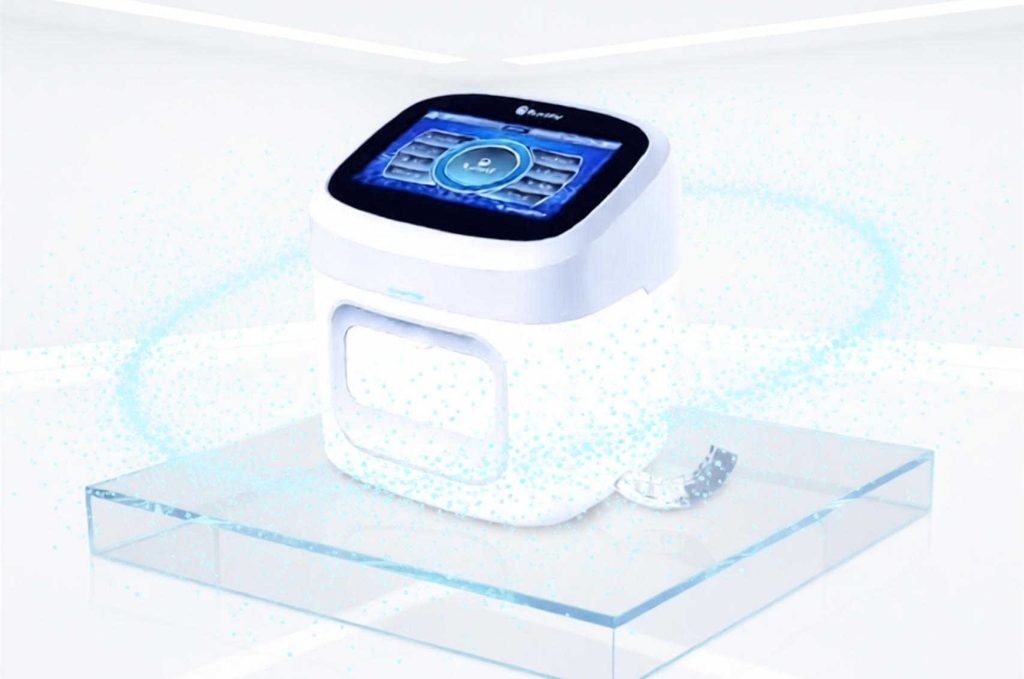
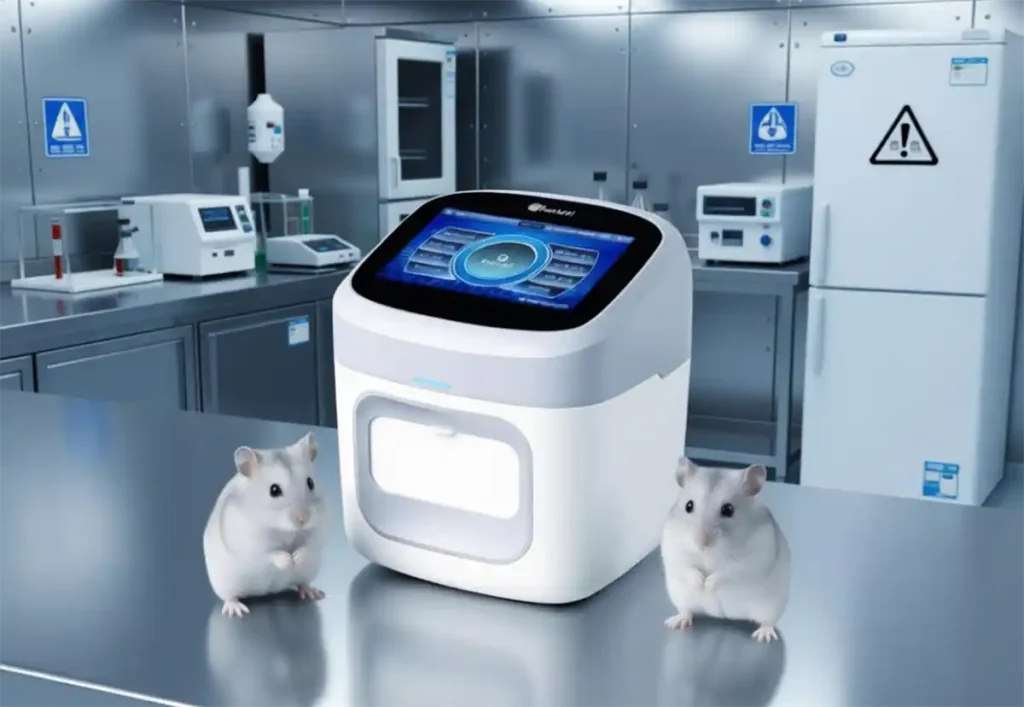
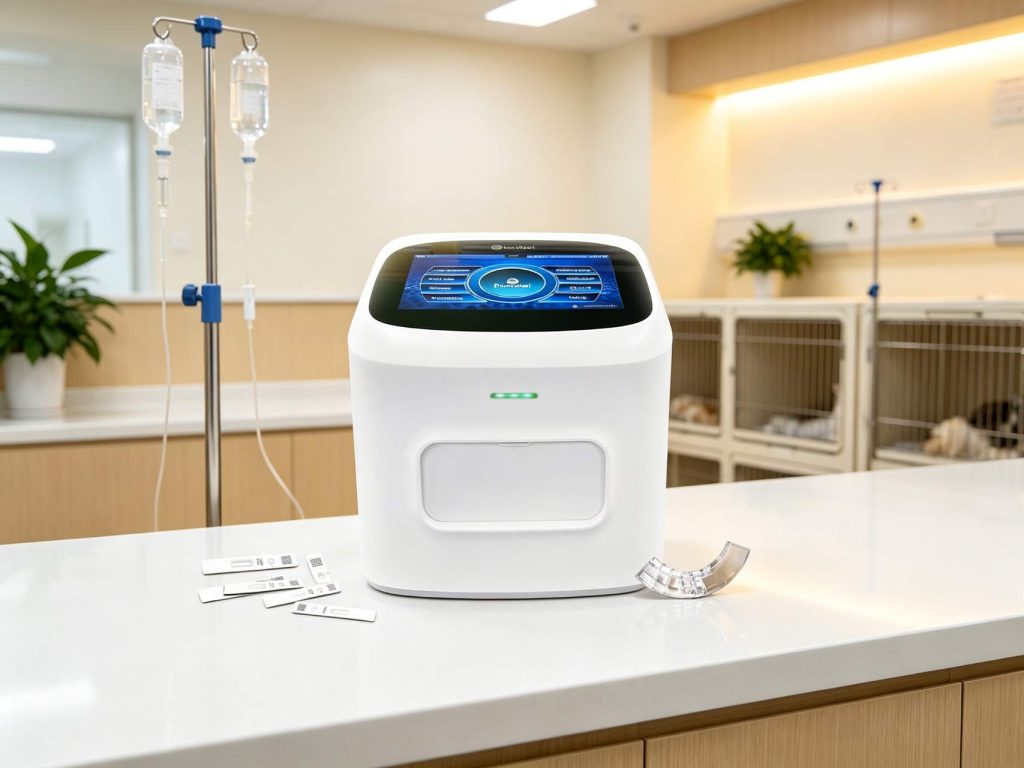
An instrument that delivers a stable, accurate lymphocytic component is what makes serial trend-reading possible. Coarse, three-part impedance analyzers group lymphocytes with other mid-sized cells imprecisely, blurring the very trend you are trying to follow; a 5-part differential blood cell analyzer separates the lymphocyte population cleanly from monocytes, giving you an absolute count you can trust, repeat after repeat. That reproducibility is what lets a mild persistent elevation be tracked without a dozen reflexive smears.
Choosing the Analyzer for Confident Trending
Because interpreting lymphocytosis is fundamentally a game of serial comparison, the analyzer you pick determines how confidently you can distinguish a viral blip from a sustained elevation. A CBC analyzer with documented precision gives you serial absolute counts that change only when the patient actually changes, while an automatic hematology analyzer with full differential resolution surfaces the abnormal populations worth a microscope. If you are outfitting a clinic or lab and uncertain what balance of resolution, cost and throughput fits your caseload, the structured how-to guide for choosing a hematology analyzer walks through matching instrument class to the patients you actually see.
أسئلة وأجوبة
**What symptoms come with a high lymphocyte count?**
Often none directly — patients typically feel symptoms of the underlying cause, such as viral infection (fever, sore throat, fatigue, swollen nodes). The count itself rarely produces its own symptoms.
**Is a high lymphocyte percentage the same as a high absolute count?**
No. A low total WBC can inflate the percentage while the absolute count stays normal. Always interpret the absolute lymphocyte count, not just the percentage.
**When should a high lymphocyte count be investigated further?**
When the elevation is persistent across repeat counts, unexplained by an acute viral illness, climbing over time, or accompanied by cytopenias or abnormal cells in other cell lines — these warrant further hematologic evaluation.