The myth that diagnostics require a laboratory building is costing rural patients their health. Here is how modern clinics test without one.
Let us dispense with the myth immediately: you do not need a laboratory to run a blood test. You need a device, a trained pair of hands and a reliable result — none of which requires four walls, a sink with running water or a refrigeration unit. The assumption that diagnostics belong to laboratories is the single most expensive assumption in rural healthcare, because it has excused decades of not testing at all. The clinics rewriting rural medicine have abandoned it, and they are testing patients every day — without a laboratory.
What a “Laboratory” Really Is in 2026
A modern laboratory is a capability, not a building. The core diagnostic workhorse of primary care — the complete blood count — has been compressed into devices that fit on a clinic desk, run on battery power and produce results in minutes. The WHO’s Essential Diagnostics List, first published in 2018, was explicit about this: essential diagnostics should be deployable at the level of care where they are needed, including primary health centers with minimal infrastructure. The reagent-free hematology analyzer is the purest expression of this philosophy — no reagent cold chain, no waste stream, no daily calibration ritual — just a sample, a result and a decision.
The Test Menu a Clinic Can Run Without a Lab
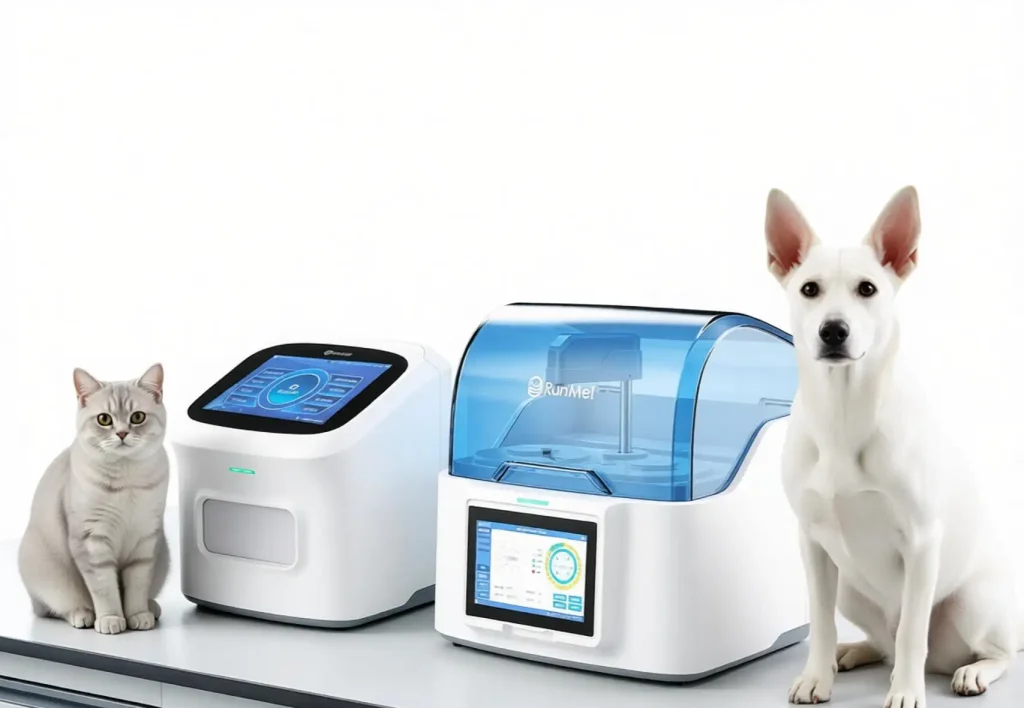
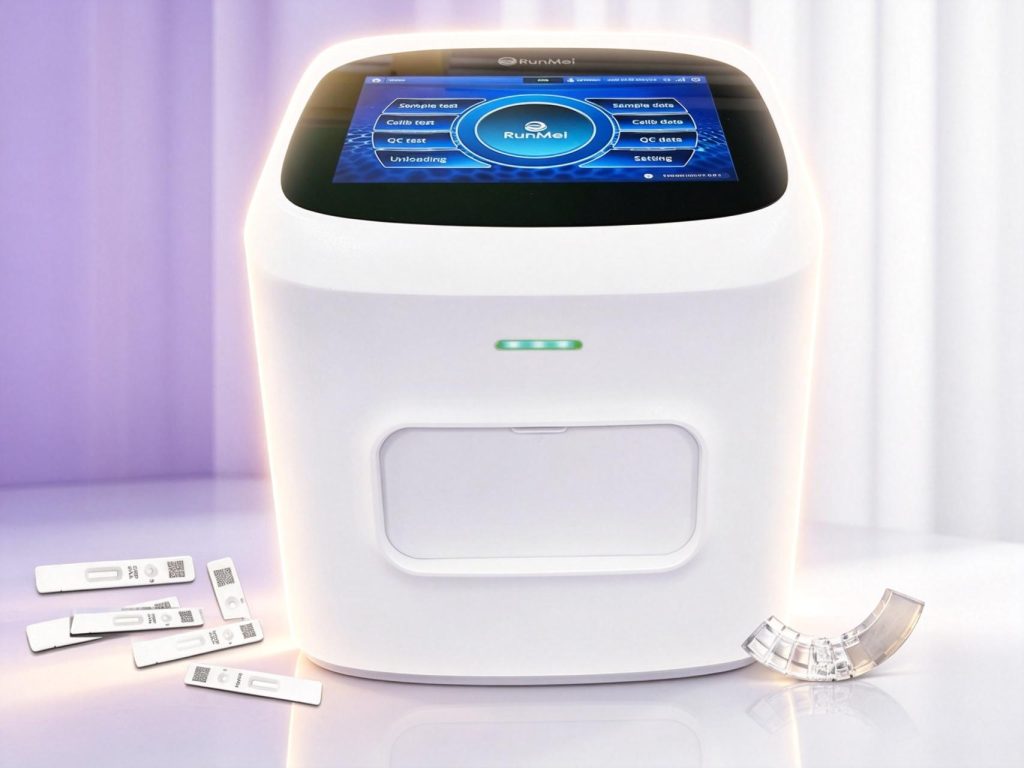
The misconception that “no laboratory” means “no testing” collapses under the actual menu now available at the point of care. A portable multi-function blood analyzer delivers a full CBC with differential from a fingerstick — the same parameters a district laboratory would report. Add a compact biochemistry analyzer and the clinic can also measure glucose, liver enzymes, kidney function and lipid panels, which turns chronic disease management from theory into practice. Rapid tests extend the menu further: malaria, dengue, influenza and hepatitis C can all be answered on site. None of this requires a laboratory; all of it requires equipment, training and discipline.
Making Testing Work in a Clinic with Nothing
The practical question is how testing survives in facilities with unstable power, no laboratory-trained staff and limited budget — and the answer is deliberate design. Choose devices matched to the environment: low power draw, tolerance of heat and dust, minimal consumables. Build the workflow around existing staff; a nurse can operate a well-designed analyzer after a short training session, and CLIA-waived-style device designs — those FDA classifies as carrying a negligible probability of erroneous results — are explicitly intended for non-laboratory settings. Budget for the whole system, not just the device, and consult realistic guidance on what an analyzer truly costs before committing. The clinics that fail are rarely the ones without infrastructure; they are the ones that ignored the system around the machine.
When “No Lab” Becomes a Strategic Advantage
There is an unexpected upside to testing without a laboratory: mobility. A device that does not need a building can travel. Outreach teams carry it to villages; mobile clinics use it to serve patients who cannot travel at all; disaster responders deploy it where the laboratory building no longer exists. The portable analyzer becomes the laboratory, and the laboratory becomes wherever the patient is. Health programs that understand this stop asking “where will we build the lab?” and start asking “where will the analyzer go today?” — a question with far better answers for rural populations.
Conclusion
The laboratory building was never the point; the result was. Rural patients do not need concrete and glass; they need hemoglobin numbers, white cell counts and the treatment decisions those enable. The technology to deliver them without a laboratory is proven, affordable and increasingly reagent-free. The myth that testing requires infrastructure has cost enough time. The clinics that matter are the ones that stopped believing it — and started testing patients on the spot, no laboratory required.