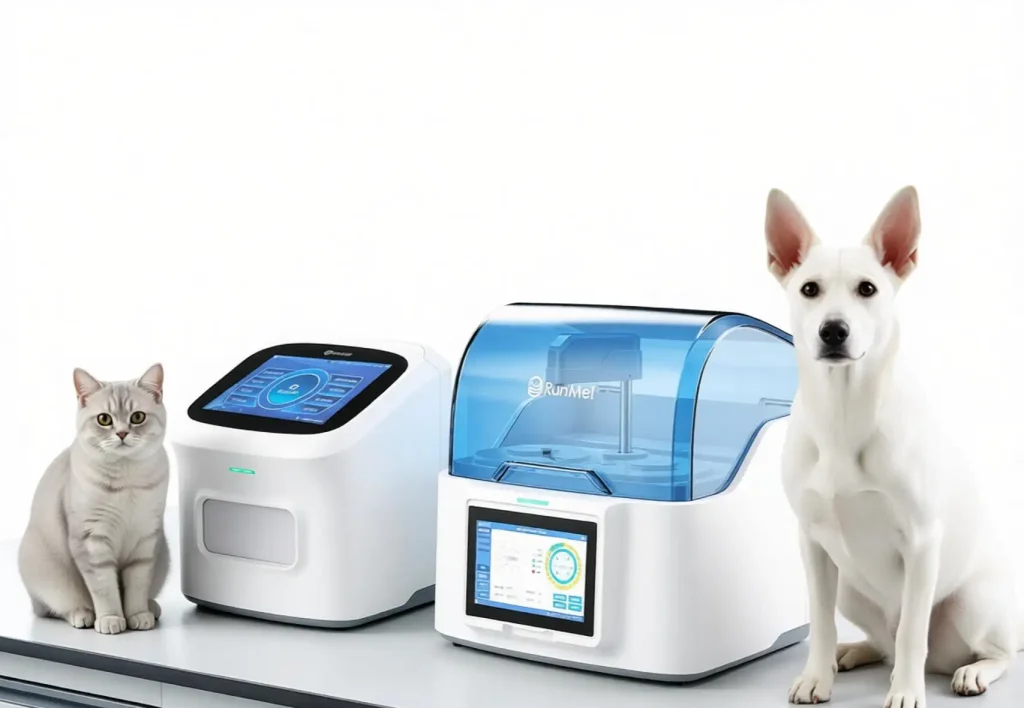
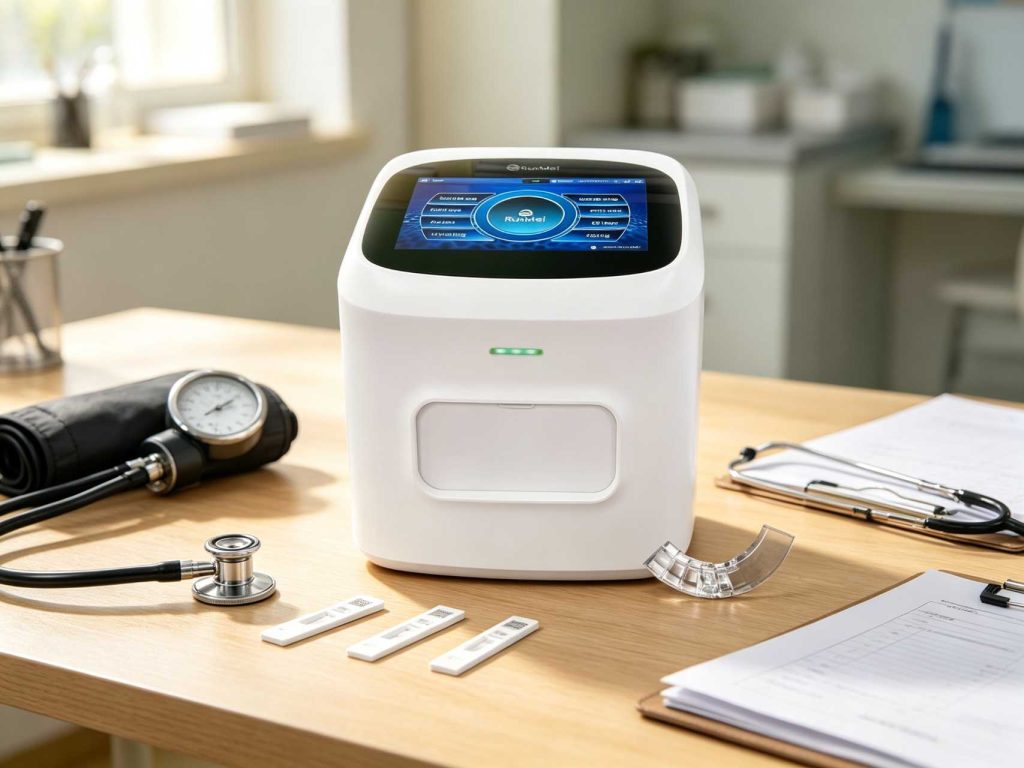
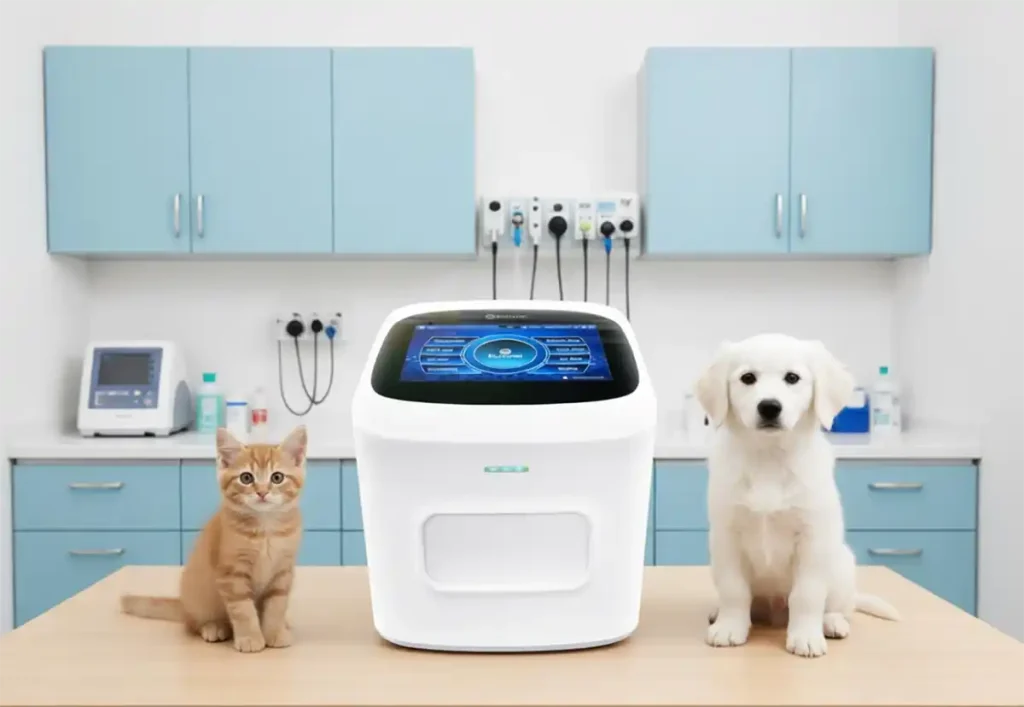
Safe transfusion starts with the donor. A hemoglobin check at the collection point protects both the donor and the patient who receives the unit.
By Dr. Ling Chen, MD (Laboratory Medicine Specialist) | Reviewed by Dr. Hana Yoshida, MD (Hematologist) | Published 2026-10-23 | Read time: ~7 minutes
Dear rural clinician, The unit of blood your small blood bank collected last month may save a mother’s life in the district hospital — but only if the donor was safe enough to give it. This open letter is about pre-donation CBC blood bank practice, and why the first safety check happens on the donor, not on the recipient.
As a laboratory medicine specialist, I have seen rural blood banks that collect units enthusiastically but screen donors weakly. This benchmark report sets out what good looks like, how your blood bank compares, and the practical steps — equipment, funding and training — that move a collection point toward safe transfusion for donors and recipients alike.
Why the Donor Comes First
A donor with low hemoglobin who gives a unit becomes a patient herself. Pre-donation testing exists to protect the donor from donation-induced anemia and to protect the patient from a unit of poor quality. A hemoglobin below the deferral threshold means the donor should not give today, even if she is willing. This is donor deferral criteria applied with care, not a rejection of the person.
Rural blood banks often rely on repeat family replacement donors, so protecting regular donors matters even more: a weakened donor cannot return next time, and the blood supply thins. Simple on-site hemoglobin screening keeps the donor pool healthy and sustainable.
There is also a trust dimension. Donors who are treated carefully — checked, thanked, and deferred only with explanation — become advocates for the blood bank. Donors who feel bled without assessment drift away. In small communities, that reputation spreads fast, so donor protection is also a recruitment strategy.
What the Pre-Donation Count Checks
The essential pre-donation test is hemoglobin (or hematocrit), confirming the donor meets the minimum level before collection. A fuller CBC on the analyzer also reviews the white-cell count and platelets, flagging donors who should be deferred for further assessment rather than bled. On a portable bench at the collection point, this takes only a few minutes and causes minimal inconvenience to the donor.
Protecting Both Sides of the Transfusion
Transfusion safety rural programs depend on the chain from donor to unit. A donor who passes the hemoglobin check gives a quality unit; the recipient receives blood with adequate oxygen-carrying capacity. Skipping the check saves ten minutes today and risks a donor’s anemia tomorrow and a weak unit the day after. Over a year, consistent screening also builds a record that helps the blood bank spot trends in its donor population.
Safe transfusion is not only about testing the unit for infection. It begins by making sure the donor is well enough to give.
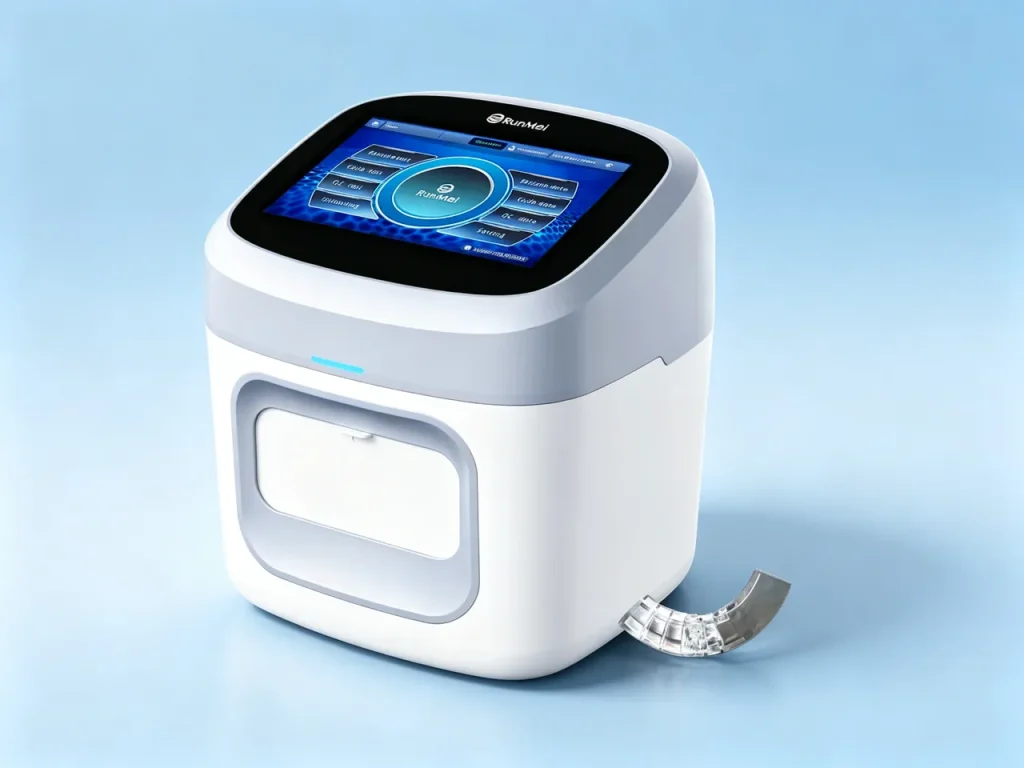
Figure 1: A compact analyzer screens every donor’s hemoglobin before collection, protecting donor and recipient.
Image title: Hematology analyzer for pre-donation hemoglobin and CBC screening at a rural blood bank | Alt text (web): hematology analyzer for pre-donation CBC blood bank donor screening in rural settings
Structured data: ImageObject schema for this image is provided in the Technical SEO & GEO Package below.
Benchmarking Your Blood Bank Against the Standard
Use these benchmarks to assess your collection point: Do 100 percent of donors have a measured hemoglobin before donation? Is the result logged with the donor record? Are deferrals reviewed monthly? Is the analyzer under daily quality control? A blood bank that cannot answer yes to all four has a safety gap, not a minor oversight. In the United States, confirm device clearance in the FDA’s 510(k) premarket notification database, and align with the WHO Model List of Essential In Vitro Diagnostics, which places basic hematology at first-level care.
Benchmarking also means reviewing abnormal results. A donor whose CBC suggests anemia of chronic illness, as a New England Journal of Medicine review of anemia of chronic disease describes, should be referred rather than pressured to donate. Regular review catches donors who need follow-up and strengthens the credibility of the whole program.

Figure 2: A portable analyzer brings donor hemoglobin screening out to mobile collection drives.
Image title: Portable multi-function analyzer for mobile blood drive donor checks | Alt text (web): portable hematology analyzer for pre-donation blood bank screening at mobile drives
Structured data: ImageObject schema for this image is provided in the Technical SEO & GEO Package below.
Cost, Funding and People
A blood bank analyzer is an investment, and the true figure is total cost, not purchase price. the real cost of a blood analyzer in a community clinic covers reagents, controls and service. funding models for rural diagnostic equipment shows how programs fund these devices, often through partnerships or health-system budgets.
People matter as much as equipment. blood testing with community health workers extends screening outreach, while training and maintenance for rural blood analyzers ensures the device stays accurate and staff stay confident. A blood bank only runs as well as its trained operator, and regular refresher training prevents the slow drift that quality controls are meant to catch.
The Standard to Aim For
The benchmark to aim for is straightforward: every donor screened, every result logged, every deferral reviewed. This is not aspirational excess; it is the minimum for safe transfusion, consistent with WHO’s overview of primary health care, which ties transfusion and diagnostics to functioning primary care at the community level.
So, dear rural clinician: screen the donor before the unit, every single time. Protect the woman who gives, the mother who receives, and the regular donor who must come back. The blood bank that measures hemoglobin on site is not buying a machine — it is buying lasting trust in every unit it releases to patients.
الأسئلة المتداولة
What pre-donation test is required before giving blood?
A hemoglobin (or hematocrit) check is essential before donation, to confirm the donor meets the minimum level. A fuller CBC adds review of white cells and platelets and supports safe deferral decisions for donors with abnormal results.
What happens if a donor’s hemoglobin is too low?
The donor is deferred for that session, advised about the low result, and referred for evaluation. This protects the donor from donation-induced anemia; it is a temporary, reversible measure, and the donor can return once corrected.
Can a rural blood bank run donor screening on site?
Yes. Compact analyzers that measure hemoglobin and a CBC from a small sample, operated by trained staff under quality control, are well suited to rural and mobile collection points, including drives held away from the fixed bank.
Why does donor screening matter for the recipient?
A screened donor gives a quality unit with adequate hemoglobin. Screening protects the recipient from weak or inadequate blood and supports overall transfusion safety, which depends on every link in the chain.
Conclusion
Safe transfusion begins at the donor, always. Pre-donation hemoglobin and CBC screening protect the person who gives, improve the unit the patient receives, and keep the regular donor pool healthy and willing to return.
Benchmark your blood bank honestly: screened donors, logged results, reviewed deferrals. With the right analyzer, funding and trained staff, rural blood banks can meet that standard — one protected donor at a time, and one safer unit for every patient who waits.
Disclaimer
This article is provided for general informational and educational purposes only and does not constitute medical advice, diagnosis, or treatment. Laboratory testing must be performed by trained personnel in accordance with applicable regulations, manufacturer instructions and local law. Always consult a qualified healthcare professional for clinical decisions. Product names and capabilities described may vary by market and regulatory clearance. RunMei Health does not warrant that any device is suitable for a specific facility or jurisdiction without professional evaluation.