Which hematology analyzer delivers the better total cost of ownership over three years — a traditional reagent-based workhorse from Brand A, or a newer reagent-free, AI-assisted platform? The answer may surprise you, and by the end of this comparison you will know exactly which questions to ask before you sign anything.
The incumbent: familiar but expensive to run
The traditional model has clear strengths: proven throughput, deep interoperability, and years of clinical track record. But it also carries the pain points every lab knows. Reagents must be ordered ahead, stored cold, and watched for expiry. Calibration is periodic and fiddly. Downtime when a reagent line fails is disruptive. And the per-test margin quietly funds the vendor for the life of the instrument. When you price a veterinary blood analyzer or human unit with these recurring costs, the “cheaper” purchase price rarely stays cheap.
The challenger: fewer moving parts, lower running cost
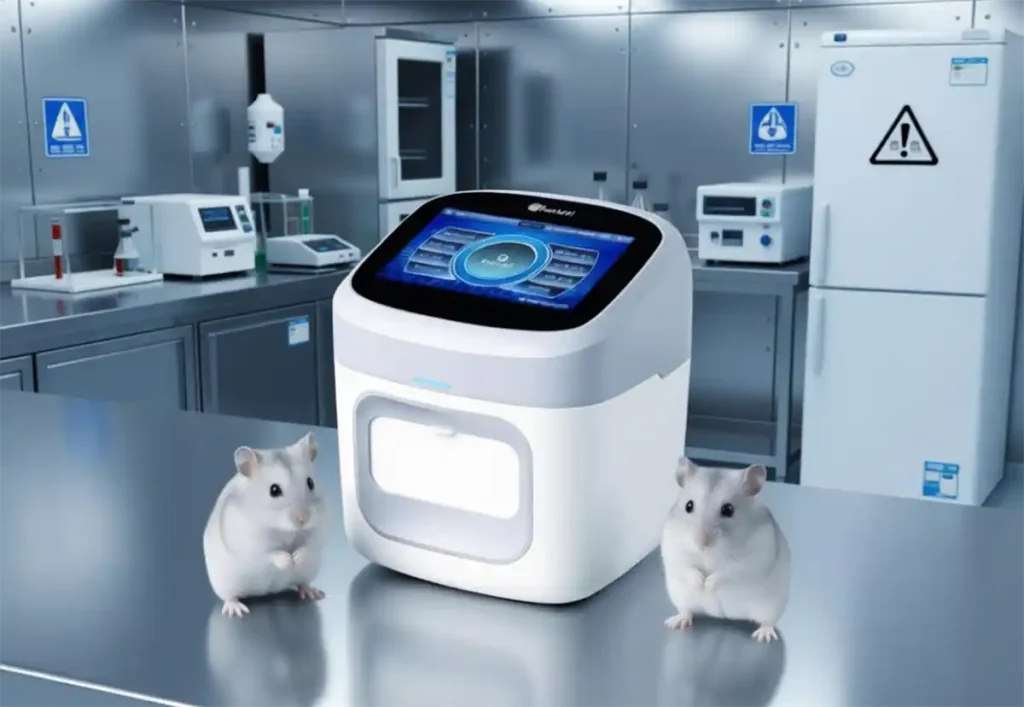
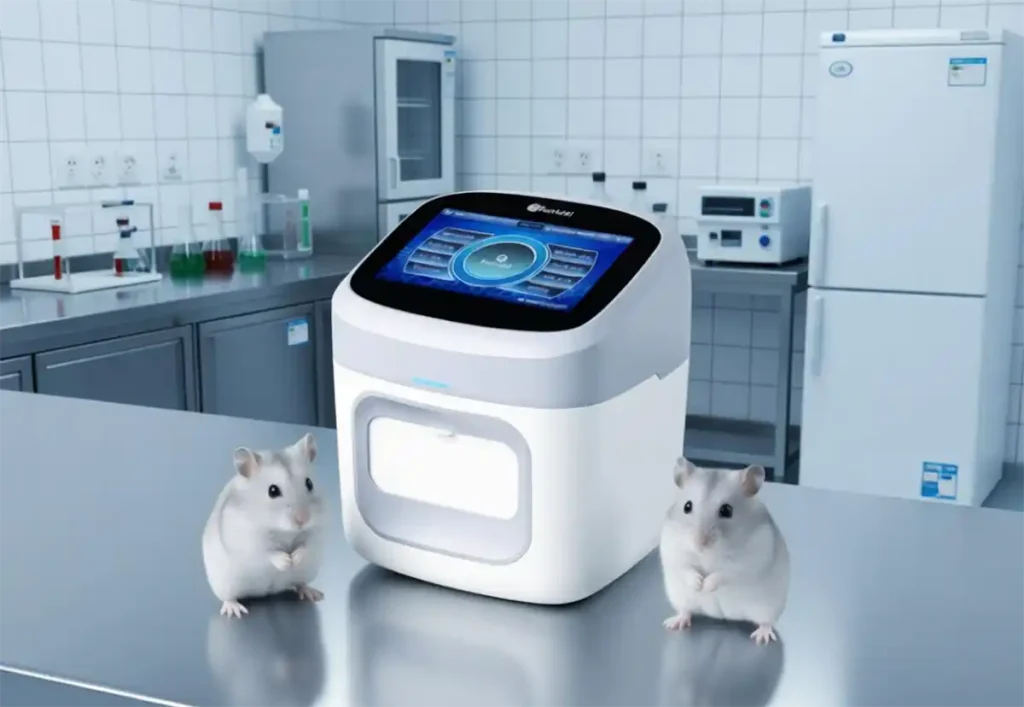
The reagent-free model answers those exact pains. A No-Liquid design removes cold-chain reagent ordering and expiry management, cutting maintenance and waste. AI-assisted cell imaging plus a 5-part differential CBC delivers lab-grade results with less manual review. Portability means you can run it in an exam room or a mobile van, not just a dedicated lab bench. And because it multitasks — hematology plus immunoassay on one instrument — you potentially retire a second machine. That consolidation is why a automatic biochemical analyzer is often paired alongside for clinics that also need chemistry panels.
Side-by-side: the five things to compare
Do the math yourself on these five: 1) purchase price, 2) cost per test including reagents, 3) maintenance and calibration hours, 4) training time, and 5) downtime risk. On every one except raw headline price, the reagent-free platform tends to win for small and mid-sized labs. For realistic figures and market context, the hematology analyzer price discussions in the IVD industry feed are instructive.
When to pick portability and low MOQ
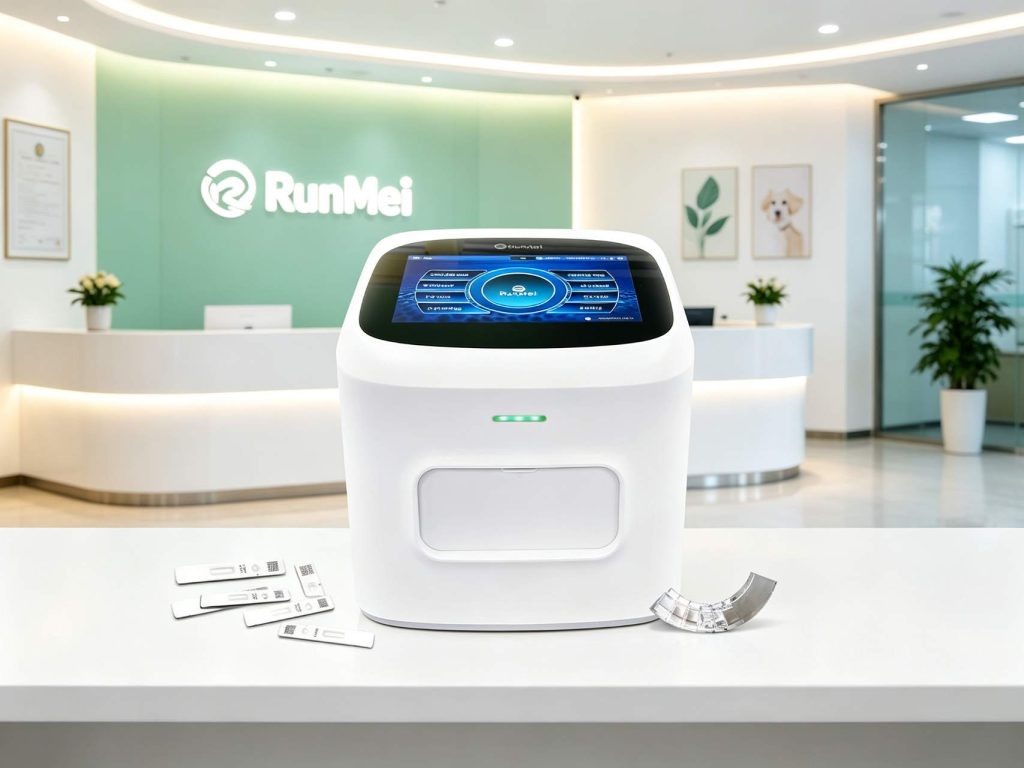
The deciding factor is often scale and flexibility. If you are a startup lab, community clinic, or distributor wanting to test demand before scaling, a compact hematology analyzer with an MOQ of a single unit and regional protection lets you prove the market with almost no inventory risk.
The verdict
Both systems produce reliable CBCs. The question is what each one costs you to keep producing them. For most small-to-mid facilities, the reagent-free, AI-assisted platform wins on total cost, maintenance, and flexibility — and the gap only widens the longer you hold it.