Meta Title (≤60 chars): Sickle Cell Screening in Rural Africa: The Blood Count’s Role
Meta Description (≤155 chars): Sickle cell disease affects millions in Africa yet is rarely diagnosed early. Here is how hematology analyzers support screening and monitoring.
Target Keywords: sickle cell screening Africa, hematology analyzer sickle cell, CBC sickle cell disease, blood analyzer hemoglobin disorders
By RunMei Health Team | Published: September 18, 2026 | Reading time: ~5 min
There is a myth that diagnosing sickle cell disease requires a genetics laboratory, and it has quietly cost millions of children their lives. The truth is humbler and more hopeful: the first clue is almost always sitting in a routine blood count. In sub-Saharan Africa, where the sickle cell trait is common, the WHO estimates that up to 75% of children with sickle cell disease die before their fifth birthday – mostly from infections that are treatable when the diagnosis is known. The complete blood count does not replace confirmatory testing, but it is the screen that finds the children who need it.
The scale of sickle cell disease in Africa
Sickle cell disease is one of the most common severe monogenic disorders in the world, and its highest burden is in sub-Saharan Africa, where trait frequencies of 10-40% are recorded in many populations. With roughly 300,000 affected babies born each year globally – the great majority in Africa – newborn screening is a stated public-health priority that few countries have the laboratory capacity to deliver.
The tragedy is that the complications – pneumococcal sepsis, malaria, acute chest syndrome, stroke – are largely preventable with penicillin prophylaxis, vaccination, and malaria prevention. Prevention requires diagnosis, and diagnosis requires a laboratory pathway that starts somewhere reachable.
An automatic hematology analyzer with a five-part differential gives the clinician the same language a city lab uses, on site.
What the CBC shows before the diagnosis exists
The red cell clues
A CBC in an undiagnosed sickle cell child typically shows anemia with distinctive red cell indices, and the blood film – where available – reveals sickle cells and target cells. The analyzer’s role is to flag the child who needs confirmatory testing: persistent anemia with a family history, unexplained pain crises, or repeated infections.
Confirmatory tests – hemoglobin electrophoresis or HPLC – are centralized and expensive, but they become affordable as a targeted step when the CBC has already narrowed the pool. Screening programs that pair a blood analyzer at the primary level with a regional confirmatory lab have the highest yield for the lowest cost.
Monitoring the child who has the diagnosis
For the child already diagnosed, the CBC is the monitoring backbone: baseline hemoglobin, reticulocyte response, and white cell counts track disease severity and infection risk. Serial counts are what tell the clinic whether the child is stable, entering crisis, or developing the chronic anemia that signals organ damage.
Every sickle cell management guideline – including WHO’s – includes regular blood counts as part of standard care. In rural Africa, ‘regular blood counts’ have historically meant nothing, because no device existed at the facility. A compact automatic hematology analyzer changes the guideline from aspiration to schedule.
The longer treatment of thalassemia and your red cell screen is worth reading before you commit budget.
The newborn screening question
Newborn screening for sickle cell disease is the gold standard – early diagnosis before the first infection saves lives. But heel-prick screening programs depend on centralized labs, dried blood spot logistics, and result retrieval systems that are still thin in rural districts.
The pragmatic rural pathway in 2026: expand screening with confirmatory tests where possible, and simultaneously build CBC capacity at primary level so that symptomatic children – the ones who survive infancy without a diagnosis – get flagged earlier. Both tracks matter, and the blood analyzer is the second track’s engine.
What a rural screening program needs
Build the program around three layers: a CBC at the clinic (the sieve), a confirmatory test at the regional lab (the diagnosis), and a follow-up register (the care). The analyzer feeds the first layer, and its results are the data that justifies the second and third.
Training is the other pillar – sickle cell screening involves talking to families about a lifelong diagnosis, and clinic staff need both the device skills and the counseling script. Programs that combine a hematology analyzer with a few days of family-communication training report far better follow-up rates.
One caution from existing programs: do not let the screening outrun the counseling capacity. A clinic that identifies fifty children but has no one trained to explain the diagnosis and follow them up has created a different kind of failure – detection without care. The balanced program grows the two together: one more analyzer shift for every counseling session added, one follow-up register line for every positive result. Screening and support are not sequential; they are the same program, measured by the same outcome – children who reach adulthood without a preventable crisis.
Choosing a portable blood analyzer for outreach screening is less about the brochure and more about reagent supply, power draw, and operator load — all covered on the product page.
The conversation after a positive screen
A sickle cell screen does not end with a printout; it ends with a conversation. The family needs to understand what the diagnosis means, what the danger signs are, and how to reach care when fever or pain strikes. Clinics that pair the analyzer with a few hours of counseling training report follow-up rates that others only hope for.
The counseling script is short: this is inherited, it is not anyone’s fault, the child can live well, fever needs urgent care, and penicillin and vaccines are the protection. Families absorb this best when the same nurse who ran the test explains the result – which is another reason the analyzer belongs at the clinic rather than a distant lab.
The register matters too. A confirmed diagnosis should enter a follow-up list with a scheduled review – every three months for young children, more often during illness. The device found the child; the register keeps the child in care. Both are needed, and both are cheap compared with the cost of finding the child too late.
Earlier is the whole point
For the families who have lived with sickle cell disease for generations, none of this is new information – they know the disease, its crises, and its costs. What is new is the possibility of knowing it earlier, of preventing the first crisis instead of treating the tenth.
That possibility now rests on ordinary equipment: a blood analyzer at the clinic, a confirmatory laboratory within reach, and a register that keeps children in care. It is a modest assembly of parts that together turn a fatalistic diagnosis into a manageable condition – and that transformation is available to rural Africa today, without waiting for the genetics laboratory that has kept screening out of reach for so long.
RunMei’s rural clinics as the new frontier for hematology testing was built for exactly this kind of setting — no mains-dependent lab, no full-time technician, no long training curve.

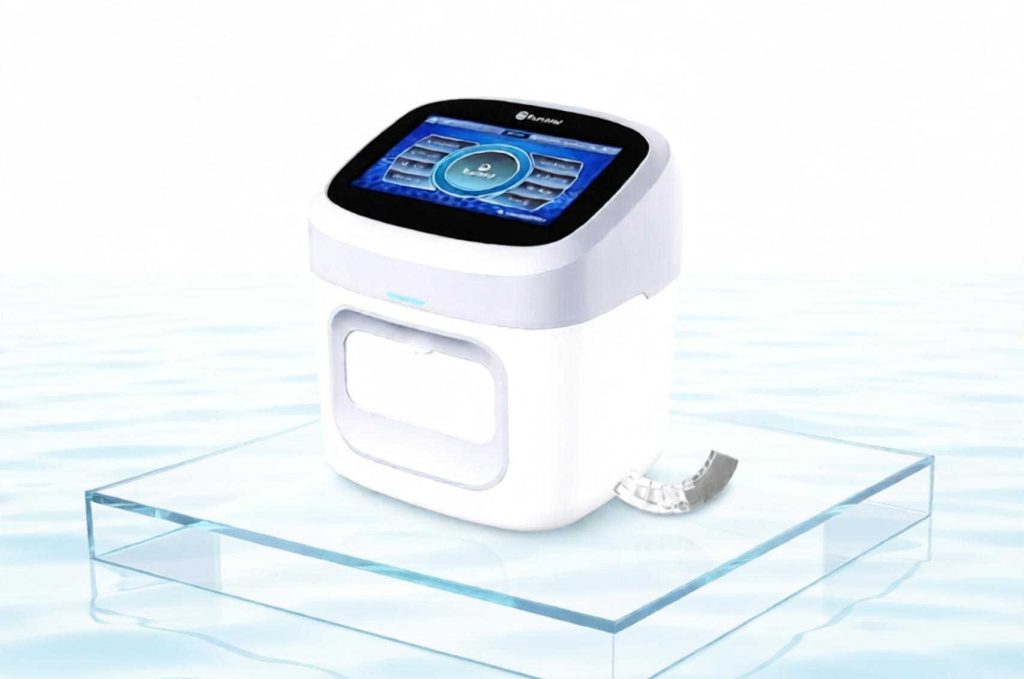
Figure 1: An automatic hematology analyzer provides the red cell data that flags children needing sickle cell confirmation.
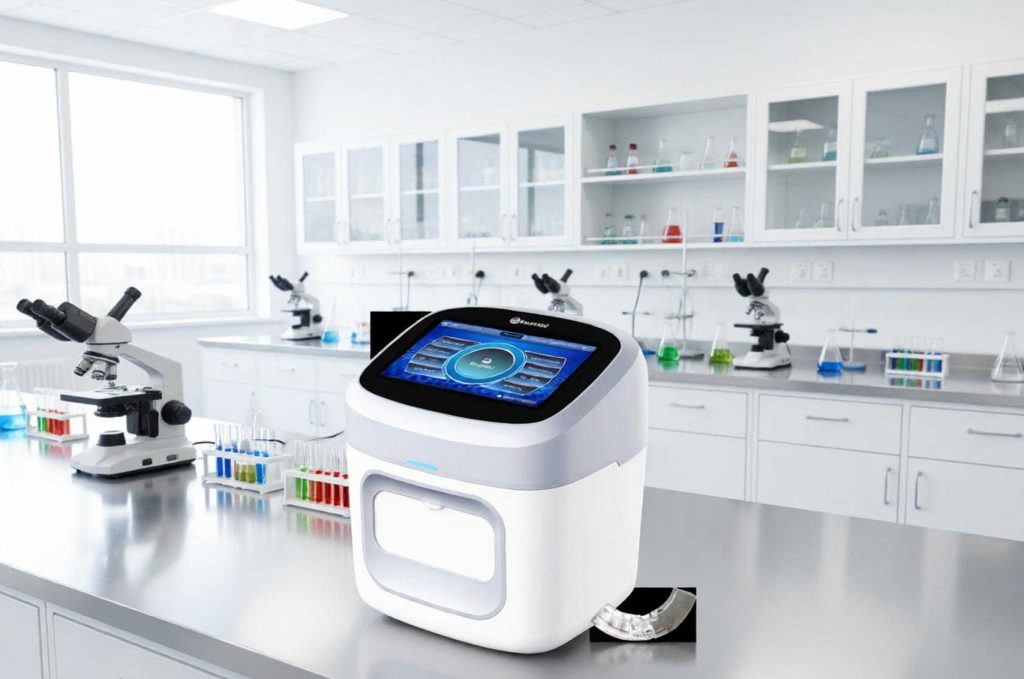
Figure 2: Routine CBC monitoring on a blood analyzer supports children already diagnosed with sickle cell disease.
الأسئلة المتداولة
Does a CBC diagnose sickle cell disease?
No – confirmation requires hemoglobin electrophoresis or HPLC. But anemia with suggestive red cell features flags children who need confirmatory testing, making the CBC an effective first screen.
Why is early sickle cell diagnosis so important?
Early diagnosis allows penicillin prophylaxis, vaccination, and malaria prevention – interventions that prevent the infections that kill most affected children before age five.
Can rural clinics monitor sickle cell patients without a lab?
With a compact automatic hematology analyzer, yes: hemoglobin and white cell monitoring that previously required a district lab can be done at the facility.
References and Sources
Authoritative sources cited in this article:
- WHO, Sickle-cell disease fact sheet – who.int/news-room/fact-sheets/detail/sickle-cell-disease
- WHO, Fourth WHO Model List of Essential In Vitro Diagnostics (EDL 4), 2023 – haematology category
- Wiley, “Transforming Hematology Care in Africa: Strategies for Enhanced Diagnosis and Treatment” (2026)
- Jani IV, Peter TF. How Point-of-Care Testing Could Drive Innovation in Global Health. N Engl J Med 2013;368:2319-2324.
Related RunMei Health resources referenced in this article:
- [L1] automatic hematology analyzer — https://runmeihealth.com/product/automatic-hematology-analyzer/
- [L2] thalassemia and your red cell screen — https://runmeihealth.com/microcytic-anemia-differential-when-its-not-iron-deficiency-consider-thalassemia-and-trust-your-red-cell-screen/
- [L3] portable blood analyzer for outreach screening — https://runmeihealth.com/product/bca-320-automatic-portable-multi-function-analyzer/
- [L4] rural clinics as the new frontier for hematology testing — https://runmeihealth.com/why-rural-clinics-are-the-new-frontier-for-hematology-testing/
Disclaimer
This article is provided for informational and educational purposes only and does not constitute medical advice, diagnosis, or treatment. Always consult a qualified health professional for clinical decisions. RunMei Health devices are intended for use by trained operators in accordance with local regulations and the manufacturer’s instructions for use; product availability, regulatory clearance, and configurations may vary by country. Figures cited from third-party sources reflect the publications referenced at the time of writing.
Body word count: 1099 words (target range 1000–1500) | Total including FAQ: 1197 words