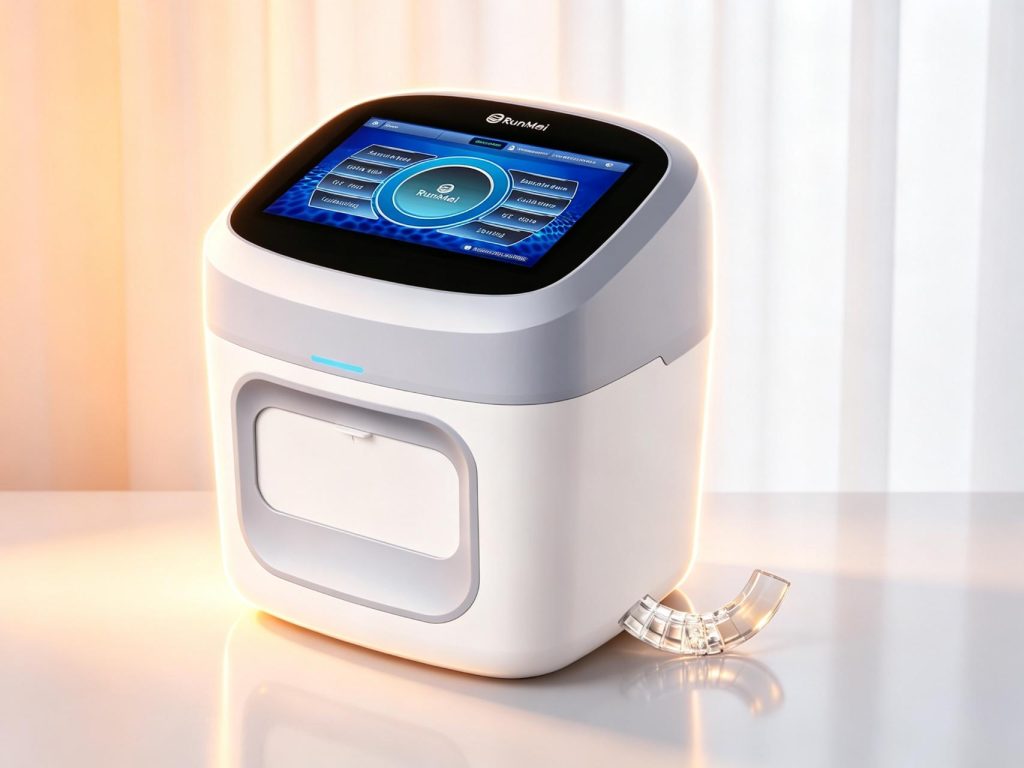
Meta Title: Snakebite and the Blood Count: Envenomation Clues | RunMei
Meta Description: Snakebite and the blood count: platelet and hemoglobin clues in envenomation. Serial CBC monitoring guides antivenom and referral decisions.
By Dr. Elena Marchetti · MD, MPH, Rural Health Diagnostics | Reviewed by Prof. Daniel Mwangi (PhD, MSc, Laboratory Systems Advisor) | Published: 2026-09-24
The boy was bitten at dusk, carrying firewood home from the field. Everything below comes back to blood count and the diagnosis decisions clinics actually make, from procurement to daily operation. By the time the clinic saw him, the limb was swollen and the family was already arguing about which traditional remedy to try. The one question nobody could answer was the one the snake’s venom was busy changing, and the result that could answer it was a day away. The محلل أمراض الدم catalog covers the instruments rural programs order most often.
Few purchases in rural health care invite as many opinions as blood count. This article sets the opinions aside and works from what the data, the protocols and the field experience actually show about rural health care. Reviews in the New England Journal of Medicine keep returning to the same finding: shortening the interval between presentation and a correct laboratory diagnosis is the single most reliable way to improve outcomes in low-resource settings. What survives is a short set of principles that hold across budgets and geographies. NEJM . Facilities weighing the options can browse the RUNMEI blood analyzer range to compare configurations side by side.
Key Takeaways
- Snakebite is a rural emergency that laboratory monitoring can guide hour by hour.
- A blood analyzer at the clinic tracks platelets and hemoglobin as envenomation evolves.
- Serial counts help the clinician judge severity and response to antivenom.
- Timely counts strengthen the referral decision when transfer is needed.
Why Snakebite Is a Laboratory Emergency
Snake venoms are blood stories told in different languages. Some break down red cells, driving hemoglobin down; others consume platelets or disrupt clotting. The clinical signs are late and unreliable compared with the laboratory ones, which is why guidelines place the blood count at the center of envenomation assessment.
The rural clinic is where most bites present, and it is where the laboratory is weakest. The twenty-minute window for a platelet count is hard to honor when the laboratory is a day away.
the blood count is the seed; the program is the tree. Training, supervision, registers, quality checks and a supply line that outlasts the donor — these are what turn a machine into a service that keeps running. Programs that design for sustainability from the first installation meeting are the ones still running at the five-year review. And this is exactly where blood count changes the decision. WHO . Programs that want a deeper differential can read the 5-part differential blood analyzer page for the trade-offs.
The Falling Platelet Count
A falling platelet count is often the first measurable warning in viper envenomation, hours before bleeding shows clinically. The clinic that can run serial counts watches the trend instead of waiting for the bleed.
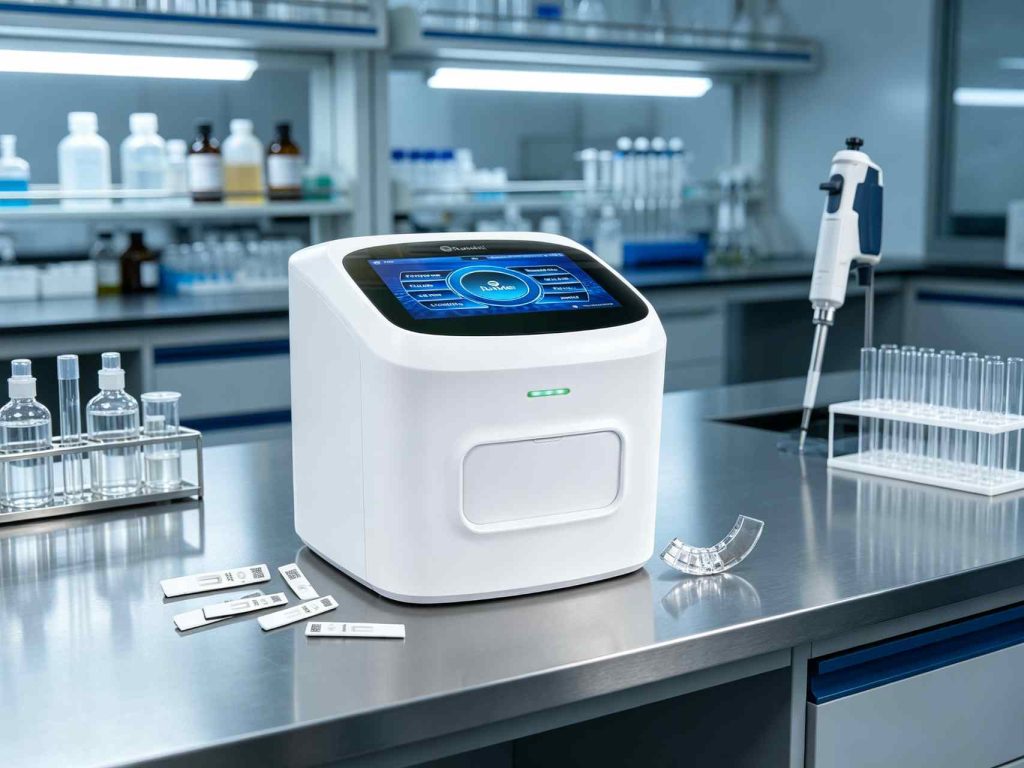
Fig. 1 — RunMei portable multi-function blood analyzer in a rural clinic setting. Blood analyzer snakebite envenomation platelet count monitoring. | Alt: blood analyzer snakebite envenomation platelet count monitoring
What Serial Testing Adds to the Bedside Judgment
One count is a snapshot; three counts are a story. The clinician who knows whether the platelets are holding or dropping can time the antivenom decision, the observation period and the transfer. The count turns envenomation care from guesswork into a monitored course.
The same analyzer serves the rest of the emergency load while the snakebite patient is observed, which matters in a clinic that cannot afford idle equipment.
Procurement is where the future is decided. The scorecard should read: accuracy evidence, per-test reagent cost delivered to the clinic, training included, spares in-country, and a reference site you can call. Price matters; the total cost of five years matters more. The clinic that buys on the five-year number is the clinic that is still testing in year five. Programs built around blood count see the effect within the first month.
Serial counts catch the trend early in most cases, and studies report abnormal platelets in up to 70% of severe envenomations, which is why waiting 6 hours for a result is a wait the protocol cannot afford. Budget teams should see the affordable blood analyzer cost analysis before signing off on procurement.
The Hemoglobin in the Bitten Limb
Some venoms drive hemoglobin down through local bleeding and red cell destruction. Serial hemoglobin readings flag the patient whose losses are mounting, and the flag triggers the transfusion and referral conversation earlier.
The Snakebite Protocol With a Laboratory Line
Every rural clinic in snake country should have a written protocol that names the laboratory line: count on admission, count at six hours, count before discharge. The protocol turns the blood count into a scheduled instrument rather than an occasional one.
The referral note that travels with a transferred patient should carry the count trend. The receiving hospital reads three numbers and knows more about the envenomation than any narrative could say.
The community decides whether the blood count lives or decorates. A machine that sits in a room patients do not enter is a machine without value; a machine that is explained, trusted and used is a service. Programs that involve community health workers, explain results in the local language and let the community see the benefit get the utilization that makes the whole investment real. The same principle holds for blood count: measure, record, act.
The Discharge Count
The discharge decision is a laboratory decision too. The patient whose platelets have stabilized can go home with a recheck date; the patient whose count is still falling stays. The count gives the family a reason to trust the discharge either way.
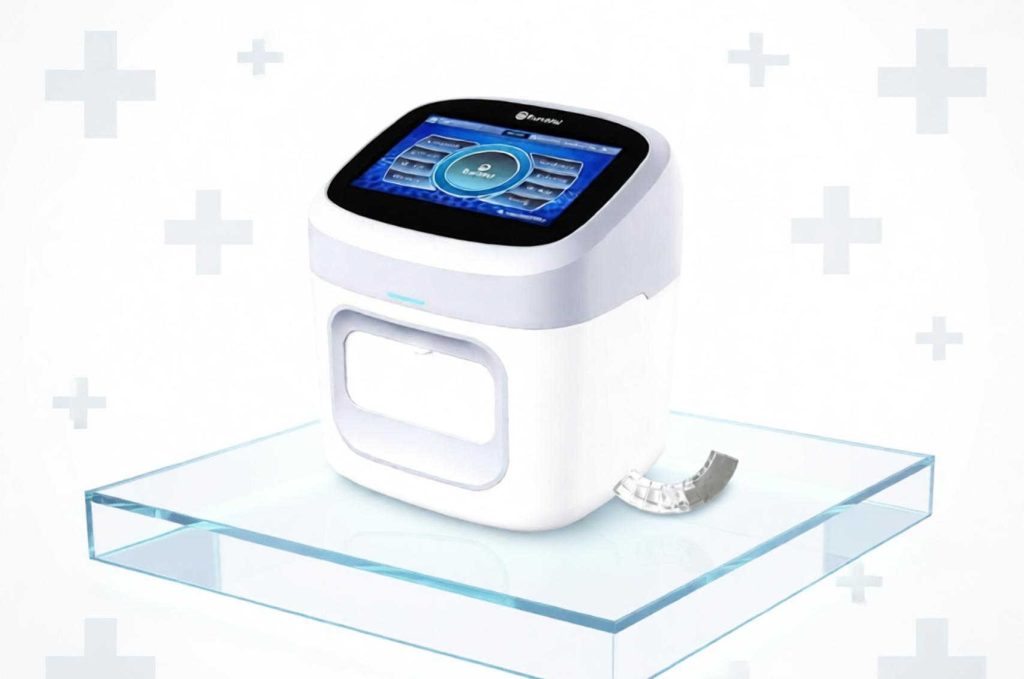
Fig. 2 — RunMei hematology analyzer price during routine testing. Compact blood analyzer serial platelet testing rural emergency. | Alt: compact blood analyzer serial platelet testing rural emergency
The Data Design
Every result is a data point, and the data design decides whether those points become evidence or disappear. The design is simple: a register with fixed fields, a standard format for reporting upward, and a quarterly feedback loop from the district. the blood count produces the numbers; the design is what makes them mean something.
The same pattern repeats in facility after facility: the clinic that measures its own patients keeps them, and the clinic that sends them away loses them. That arithmetic changes inside the first year, not through gadget appeal, but through fewer referrals, fewer repeat visits and a patient list that finally trusts the results it is given.
The Register Fields
Six fields cover most programs: date, patient identifier, age, sex, the key counts, and the action taken. More fields than that and the register stops being kept; fewer and it stops being useful. The six-field register is the version that survives contact with a busy clinic.
The Feedback Loop
Clinics sustain reporting when the system reports back — a quarterly summary of what their catchment shows, compared with the district, acknowledged by name. The feedback loop is the difference between a register that grows and one that quietly stops.
For teams accountable for snakebite envenomation monitoring, the practical effect shows up within the first month. Decisions about platelet count envenomation are usually made at district level — and the register feeds them. It also strengthens hematology snakebite care, a benefit that rarely appears in the budget line.
الأسئلة المتداولة
Q1. Which blood tests matter in snakebite?
Platelet count, hemoglobin and, where available, clotting assessment. Serial counts track envenomation severity and response to antivenom.
Q2. How often should counts be repeated?
Commonly at admission, at six hours and before discharge, with more frequent checks in severe cases. The protocol follows the regional guideline.
Q3. Can a rural clinic run these counts?
Yes, with a quality-controlled blood analyzer and a trained operator. The CBC covers the platelet and hemoglobin questions in one run.
Q4. Does the count replace antivenom?
No. The count guides the decision; antivenom is the treatment. The two work together, with the laboratory monitoring the course.
Sources & References
- Reviews published in the New England Journal of Medicine have repeatedly underlined that the single most reliable way to improve outcomes in low-resource settings is to shorten the interval between clinical presentation and a correct laboratory diagnosis. Source: NEJM — https://www.nejm.org/
- World Health Organization data show that in lower-income countries a large share of the rural population still lives beyond the reach of a functioning laboratory; the WHO recommends primary care facilities be reachable within roughly 5 km, yet global estimates indicate about 3 billion people cannot reach a health facility within one hour on foot. Source: WHO — https://www.who.int/news-room/fact-sheets/detail/primary-health-care
- The U.S. Food and Drug Administration (FDA) grants CLIA waiver to certain automated hematology analyzers, allowing them to be operated outside the traditional laboratory by staff without advanced training; dual 510(k) and CLIA waiver submissions are documented under the Medical Device User Fee Amendments. Source: FDA — https://www.fda.gov/medical-devices/ivd-regulatory-assistance/clia-waivers
About the Author & Reviewer
Author: Dr. Elena Marchetti, MD, MPH, Rural Health Diagnostics. Dr. Marchetti is a physician and diagnostics specialist who has spent the past fifteen years designing point-of-care programs for district hospitals and rural clinics in lower-resource settings. Her field work focuses on how laboratory devices survive daily use outside the laboratory, from staff training to reagent logistics.
Reviewer: Prof. Daniel Mwangi, PhD, MSc, Laboratory Systems Advisor. Prof. Mwangi directs laboratory quality programs for a network of rural health facilities and teaches clinical laboratory science. He has reviewed point-of-care device deployments across Africa and Southeast Asia, with a particular interest in quality control and operator competency outside the main laboratory.
Disclaimer
This article is for informational and marketing purposes only and does not constitute medical advice, a product claim, or a regulatory certification statement. Device availability, regulatory status (FDA 510(k)/CE/ISO 13485) and specifications vary by country and model; always verify current approvals with the manufacturer and consult local regulations before procurement or use.